
The Spanish Civil War (1936-1939) had a profound impact on artistic expression, serving as a crucible for creativity and ideological exploration. The conflict, marked by political upheaval and social tensions, inspired artists to engage with the war’s complexities, contributing to a diverse range of artistic responses.
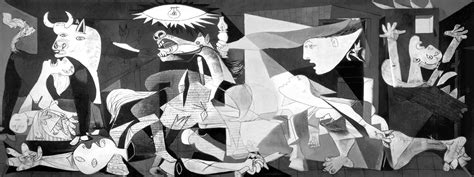
- Guernica by Pablo Picasso:
- Perhaps the most iconic artistic response to the Spanish Civil War is Pablo Picasso’s “Guernica.” Created in 1937, this powerful mural depicts the bombing of the Basque town of Guernica, serving as a potent anti-war statement. The fractured forms and anguished figures convey the horrors of war and the impact on civilians.
- Social Realism:
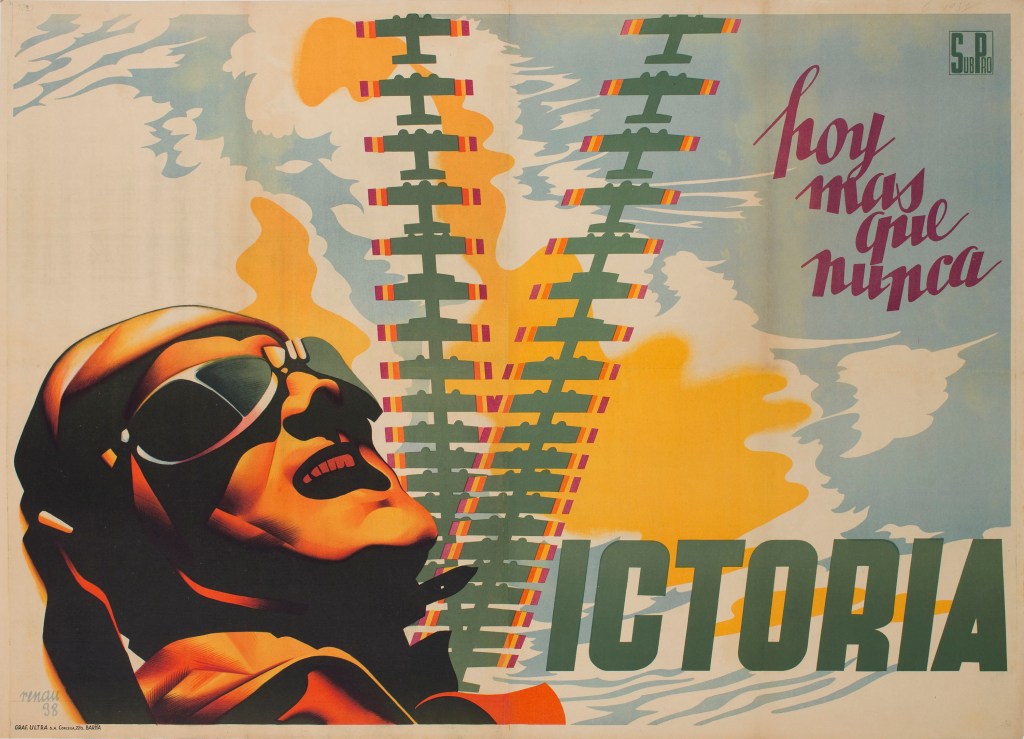
- The war prompted a surge in Social Realism, with artists like Josep Renau and Alberto Sánchez creating works that documented the social and political upheaval. These realist artworks captured the struggles of the working class, the devastation of war, and the resilience of the Spanish people.
- Surrealism and Abstraction:
- Surrealist artists like Salvador Dalí and Joan Miró also engaged with the war but approached it through more abstract and symbolic means. Dalí’s “The Face of War” and Miró’s “The Reaper” are examples of works that explore the psychological and emotional impact of the conflict.
- War Photography:
- Photographers such as Robert Capa and Gerda Taro documented the Spanish Civil War through compelling and visceral images. Capa’s “The Falling Soldier” is a poignant example of war photography that captures a moment of intense conflict and human vulnerability.
- Literature and Poetry:
- Writers like Federico García Lorca, who would later become a victim of the war, and Ernest Hemingway produced literary works that reflected the political and emotional turmoil of the time. Lorca’s poems and plays, in particular, expressed the tragic consequences of the conflict.
- Political Posters:
- Artists engaged in the production of political posters, utilizing bold graphics and slogans to convey ideological messages. These posters served as visual propaganda for various factions, advocating for political ideologies and mobilizing public support.
- Exile and Displacement:
- The aftermath of the war led to a significant wave of artistic exile. Many artists, writers, and intellectuals left Spain, seeking refuge in other countries. The experiences of exile influenced their artistic output, with themes of displacement, loss, and nostalgia permeating their works.
The Spanish Civil War became a testing ground for artistic responses to political upheaval and humanitarian crises. Artists grappled with the moral, emotional, and ideological complexities of the conflict, leaving behind a legacy of impactful works that continue to resonate with viewers today.
 æsthetic triangle