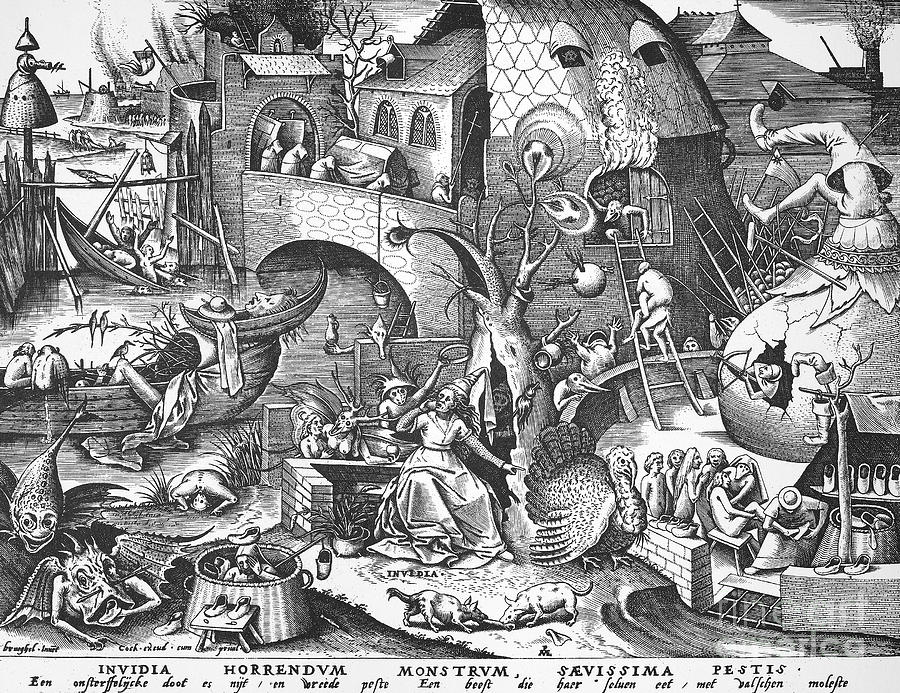
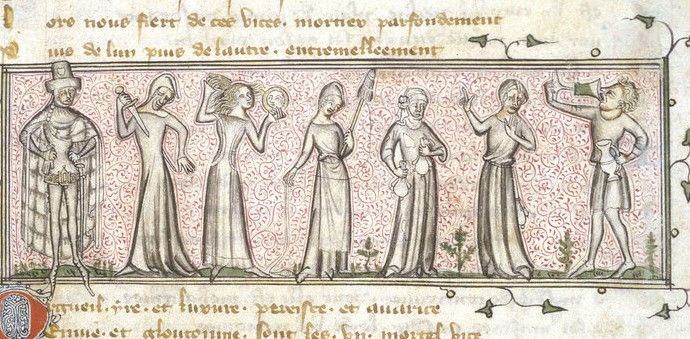
Artistic representations of the Seven Deadly Sins, rooted in Christian theology, have been a recurring theme in visual arts throughout history. Artists have used various mediums to depict these vices—lust, gluttony, greed, sloth, wrath, envy, and pride—exploring the moral and psychological implications associated with each sin.
Lust:
Artists often depict lust through sensuous and provocative imagery, showcasing the temptations of the flesh. Paintings may feature alluring figures engaged in seductive poses or scenes of illicit desire, emphasizing the moral consequences of unrestrained passion.
- Gluttony:
Representations of gluttony often focus on excess and indulgence. Artists portray individuals consuming copious amounts of food and drink, emphasizing the consequences of overconsumption. These depictions serve as cautionary tales about the dangers of overindulgence.
- Greed:
Greed is frequently depicted through images of avarice and the relentless pursuit of wealth. Artists illustrate individuals hoarding money, jewels, or material possessions, highlighting the destructive nature of insatiable desire for worldly goods.
- Sloth:
Sloth, the sin of spiritual laziness or neglect, is often represented through lethargic or idle figures. Artworks may depict individuals neglecting their duties, lounging in luxurious surroundings, or succumbing to spiritual apathy, emphasizing the consequences of neglecting one’s responsibilities.
- Wrath:
Wrath is portrayed through scenes of violence, anger, and vengeance. Artists capture the intensity of human emotions, depicting individuals engaged in acts of aggression or conflict. These representations serve as warnings against the destructive nature of uncontrolled anger.
- Envy:
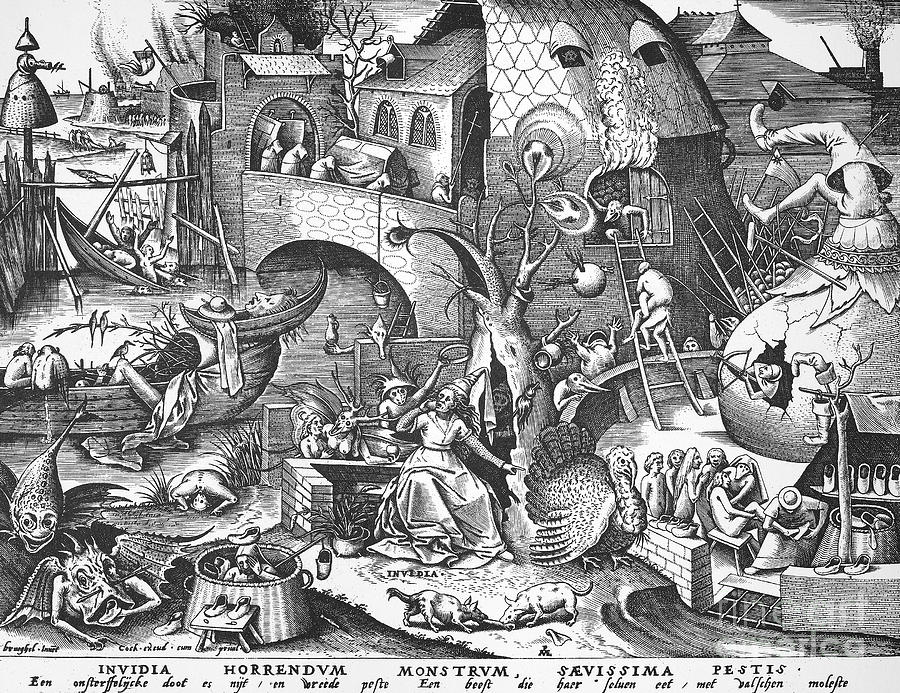
Envy is often visualized through depictions of individuals coveting the possessions or successes of others. Artists may portray characters consumed by jealousy or engaged in acts of rivalry, highlighting the corrosive effects of wanting what others have.
- Pride:
Pride, considered the most severe of the Seven Deadly Sins, is often represented through images of arrogance, hubris, and self-worship. Artworks may feature individuals in regal or self-aggrandizing poses, emphasizing the dangers of excessive self-esteem and vanity.
Artistic Styles and Interpretations:
- Artists have approached the theme of the Seven Deadly Sins in various styles, including paintings, sculptures, prints, and illuminations. From Hieronymus Bosch’s surreal and fantastical depictions to Pieter Bruegel the Elder’s moralizing scenes, each artist brings a unique interpretation to the timeless theme.
The artistic representations of the Seven Deadly Sins not only serve as visual allegories but also as reflections of societal values and moral teachings. Through these depictions, artists invite viewers to contemplate the consequences of human behaviors and reflect on the timeless struggle against moral failings.
 æsthetic triangle