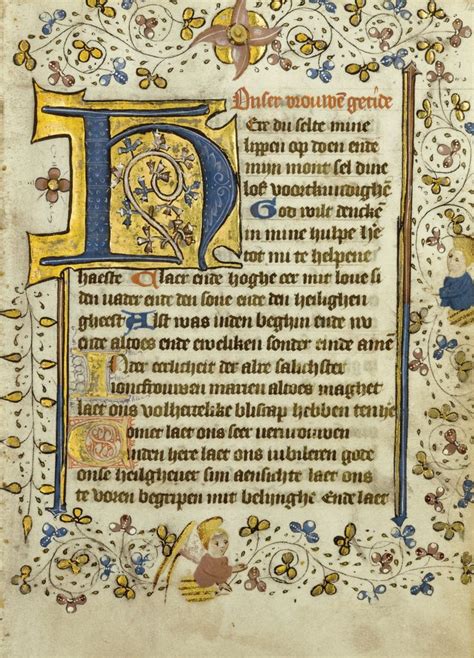
The art of illuminated manuscripts in Medieval Europe represents a pinnacle of craftsmanship, combining intricate illustrations, vibrant colors, and meticulous calligraphy. These handcrafted books, often religious or scholarly in nature, were adorned with elaborate decorations, creating visually stunning works of art.
1. Origin and Purpose:
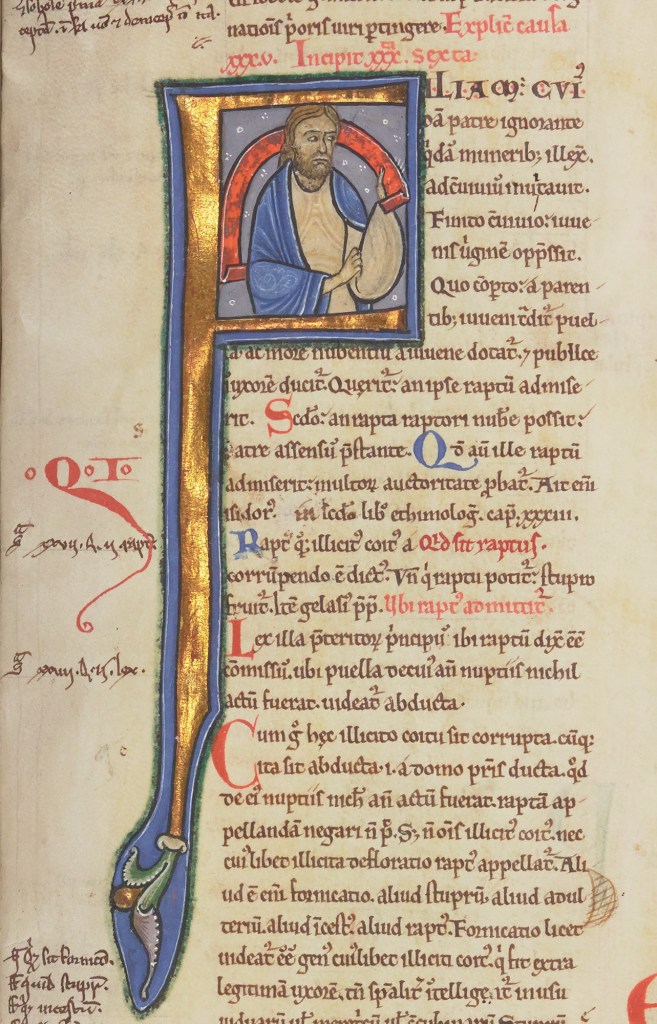
- Illuminated manuscripts emerged in the Early Medieval period, primarily in monastic scriptoria. These manuscripts served as religious texts, Gospel books, psalters, or literary works. The term “illumination” refers to the use of gold or silver leaf to add a radiant quality to the illustrations.
2. Techniques and Materials:
- Scribes and illuminators used vellum, a fine parchment made from animal skins, as the base material. The process involved carefully preparing the parchment, applying ink or pigments for text, and embellishing with gold leaf and colorful pigments for illustrations.
3. Miniatures and Initials:
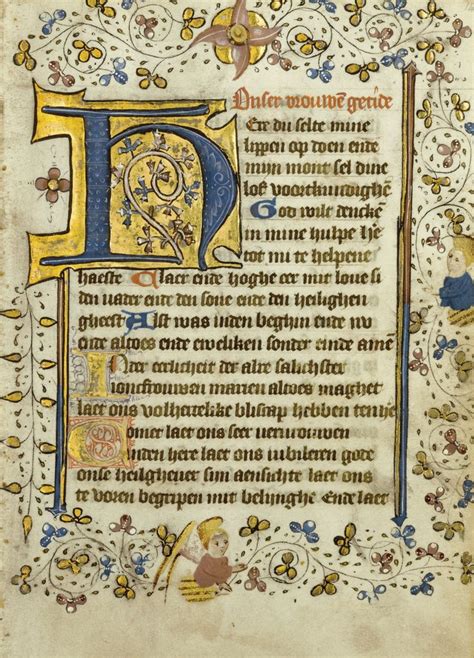
- Miniatures, small-scale illustrations, were a hallmark of illuminated manuscripts. These detailed paintings often depicted religious scenes, portraits, or decorative elements. Initials, especially the ornate and large initials at the beginning of paragraphs or chapters, were adorned with intricate designs and vibrant colors.
4. Symbolism and Religious Themes:
- Illuminated manuscripts were infused with symbolism and religious themes. Images of saints, biblical stories, and scenes from the life of Christ adorned the pages, conveying spiritual teachings visually. The use of gold leaf symbolized divine light and heavenly radiance.
5. Script and Calligraphy:
- The script used in illuminated manuscripts varied, with Carolingian and Gothic scripts being prominent during different periods. Calligraphy was an art form in itself, with skilled scribes employing various scripts and embellishments to enhance the visual appeal of the text.
6. Manuscript Production:
- Manuscript production was a collaborative effort involving scribes, illuminators, and binders. Skilled artisans dedicated hours, sometimes years, to produce a single manuscript. These works were often commissioned by religious institutions, nobility, or wealthy patrons.
7. Preservation and Heritage:
- Despite the fragility of parchment, many illuminated manuscripts have survived through the centuries. Institutions such as libraries, museums, and archives play a crucial role in preserving and showcasing these treasures, allowing modern audiences to appreciate the artistry of Medieval illuminations.
The art of illuminated manuscripts not only served as a means of preserving knowledge and religious teachings but also stood as a testament to the craftsmanship, devotion, and artistic excellence of Medieval European culture. The intricate details and vibrant colors continue to captivate art enthusiasts and scholars today, offering a glimpse into the artistic heritage of the Middle Ages.
 æsthetic triangle