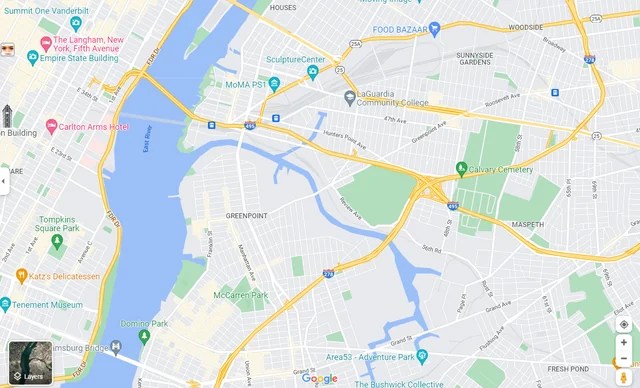
Is it possible to imagine or remember a time before Google Maps? It seemed like an impossible task when Google announced it would be mapping everywhere – even your neighbourhood. Yet map they did. In today’s digital age, navigating the world has become as simple as tapping a few buttons on a smartphone, thanks to the ubiquitous presence of Google Maps. Since its launch in 2005, Google Maps has revolutionized the way we explore, navigate, and interact with our surroundings. From providing turn-by-turn directions to offering real-time traffic updates and local business information, Google Maps has become an indispensable tool for millions of people around the globe. Let’s delve into the evolution and impact of this transformative technology.
Google Maps began as a humble project within Google, born out of the company’s mission to organize the world’s information and make it universally accessible and useful. Launched in February 2005, Google Maps offered users a simple yet powerful way to view maps, get driving directions, and explore local businesses and landmarks.
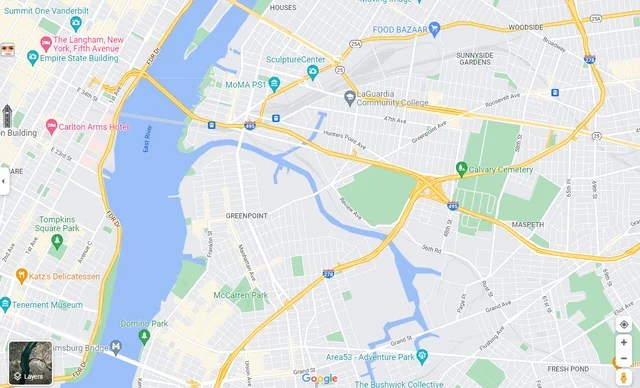
Over the years, Google Maps has undergone significant evolution, incorporating new features and technologies to enhance its functionality and usability. In 2007, Google introduced Street View, a groundbreaking feature that allows users to explore panoramic street-level imagery of cities around the world. This immersive experience provided users with a visual representation of their destination, helping them better plan their journeys and navigate unfamiliar streets.
In 2009, Google introduced turn-by-turn navigation, transforming Google Maps into a full-fledged GPS navigation system. This feature revolutionized the way people navigate, allowing them to receive real-time directions and voice-guided instructions while driving, walking, or cycling. Subsequent updates introduced features such as live traffic updates, alternate routes, and offline maps, further enhancing the utility and reliability of Google Maps for users worldwide.
In recent years, Google has continued to innovate with features such as indoor maps, which provide detailed floor plans of airports, shopping malls, and other indoor spaces, and augmented reality (AR) navigation, which overlays digital directions onto the real world using the camera of a smartphone. These advancements have further cemented Google Maps’ position as the go-to navigation app for millions of users worldwide.
The impact of Google Maps on modern society cannot be overstated. From facilitating daily commutes to enabling international travel, Google Maps has transformed the way we navigate the world around us. Here are some key ways in which Google Maps has influenced our lives.
Google Maps has made it easier than ever to get from point A to point B. With its accurate directions, real-time traffic updates, and alternative routes, Google Maps helps users navigate congested roads and avoid delays, saving time and reducing stress during daily commutes and long-distance travel.
Google Maps is not just a navigation tool—it’s also a powerful platform for discovering local businesses, restaurants, attractions, and points of interest. Through user reviews, ratings, photos, and descriptions, Google Maps helps users make informed decisions about where to eat, shop, and explore in their local area or while traveling to new destinations.
Google Maps is more accessible to people of all ages and abilities than previous forms of paper maps, making it an invaluable resource for individuals with disabilities or mobility challenges. With features such as voice-guided navigation, wheelchair-accessible routes, and detailed transit information, Google Maps empowers users to navigate the world independently and confidently.
During emergencies and natural disasters, Google Maps plays a critical role in providing timely information and assistance to affected communities. Through features such as disaster alerts, crisis response maps, and real-time updates on road closures and evacuation routes, Google Maps helps authorities and individuals navigate safely and respond effectively to emergencies.
By promoting efficient route planning and encouraging alternative modes of transportation such as walking, cycling, and public transit, Google Maps contributes to reducing traffic congestion, carbon emissions, and environmental pollution. Additionally, features such as eco-friendly routing, which prioritize routes with lower carbon footprints, empower users to make environmentally conscious travel choices.
No doubt about it, Google Maps has revolutionized the way we navigate and interact with the world around us. From its humble beginnings as a digital mapping service to its current status as the world’s leading navigation app, Google Maps has continuously evolved to meet the needs of users worldwide. With its innovative features, user-friendly interface, and extensive coverage of maps and information, Google Maps has become an indispensable tool for millions of people, empowering them to explore, discover, and navigate the modern world with ease and confidence. As technology continues to advance, Google Maps will undoubtedly remain at the forefront of digital navigation, shaping the way we navigate and experience the world for generations to come.
#GoogleMaps #Navigation #Technology #DigitalMapping #LocationBasedServices
 æsthetic triangle