
Fauvism, an early 20th-century avant-garde art movement, is characterized by its bold use of color, simplified forms, and a departure from naturalistic representation. Emerging in France around 1905, Fauvist artists, including Henri Matisse and André Derain, sought to express emotions and sensations through vibrant and non-representational color.
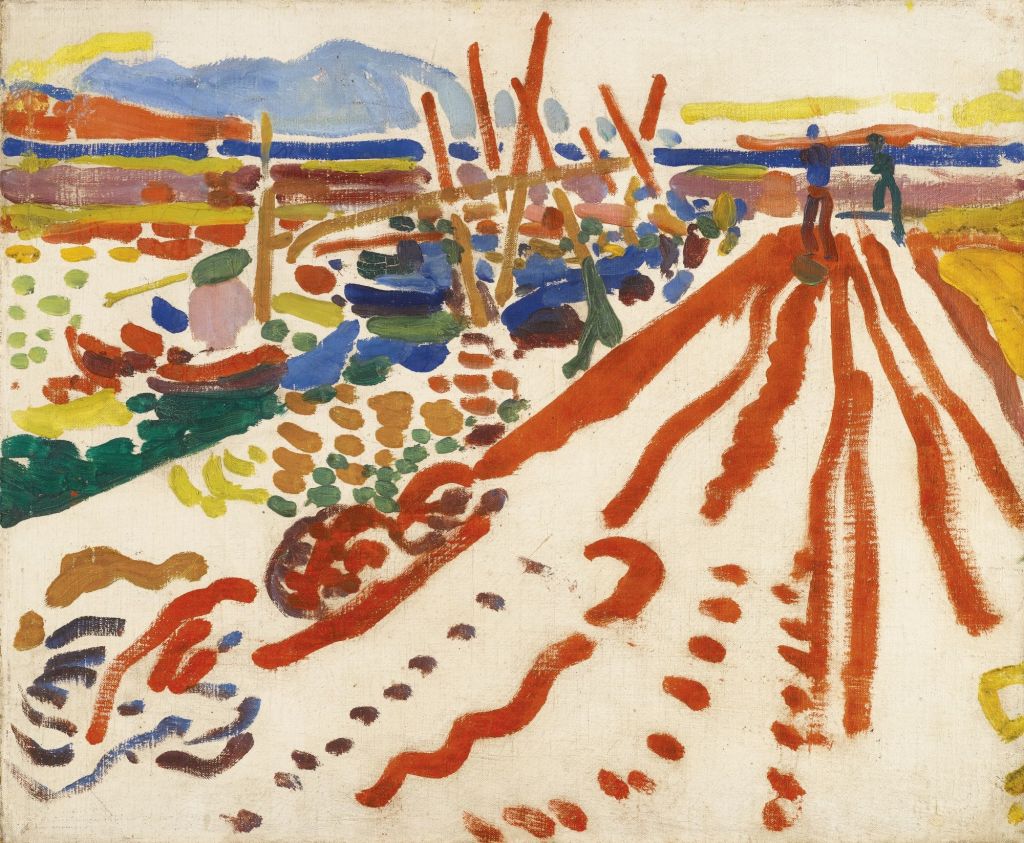
- Bold and Unconventional Colors: Fauvist artists rejected traditional color palettes and embraced vivid, arbitrary, and often clashing colors. These bold color choices were applied directly from the tube without blending, creating intense and emotionally charged compositions.
- Simplified Forms: Fauvist paintings often featured simplified and distorted forms. The artists sought to capture the essence of a subject rather than create realistic depictions, emphasizing the emotional impact of color and form over naturalistic representation.
- Emotional Expression: Fauvism prioritized emotional expression over objective reality. The use of color and form was seen as a means to convey the artist’s feelings and response to the subject matter, allowing for a more subjective and personal interpretation of the artwork.
- Influence of Post-Impressionism: Fauvism evolved from the Post-Impressionist movement, particularly the works of artists like Vincent van Gogh and Paul Gauguin. The movement marked a radical departure from the Impressionist emphasis on capturing light and atmosphere.
- Subject Matter: Fauvist artists depicted a range of subjects, including landscapes, figures, and still life. However, the emphasis was on the artist’s personal interpretation and emotional response to the subject rather than a faithful representation.
- Short-Lived Movement: Fauvism was a relatively short-lived movement, lasting only a few years, but it had a lasting impact on the development of modern art. The bold use of color and the emphasis on emotional expression paved the way for subsequent artistic movements, including Expressionism and Abstract Art.
Fauvism, with its explosive and non-conformist approach to color and form, marked a pivotal moment in the evolution of modern art. The movement’s impact on the art world is evident in its influence on later movements and its role in challenging traditional notions of representation and artistic expression.
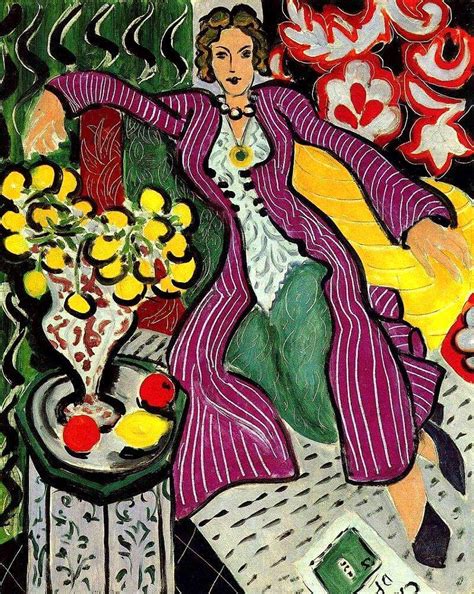
 æsthetic triangle