Artistic responses to environmental issues serve as poignant expressions of the impact of human activities on the planet, urging viewers to reflect on the consequences of environmental degradation and advocate for sustainable practices. Artists across various disciplines have employed their creativity to raise awareness, inspire change, and convey the urgency of addressing ecological concerns.
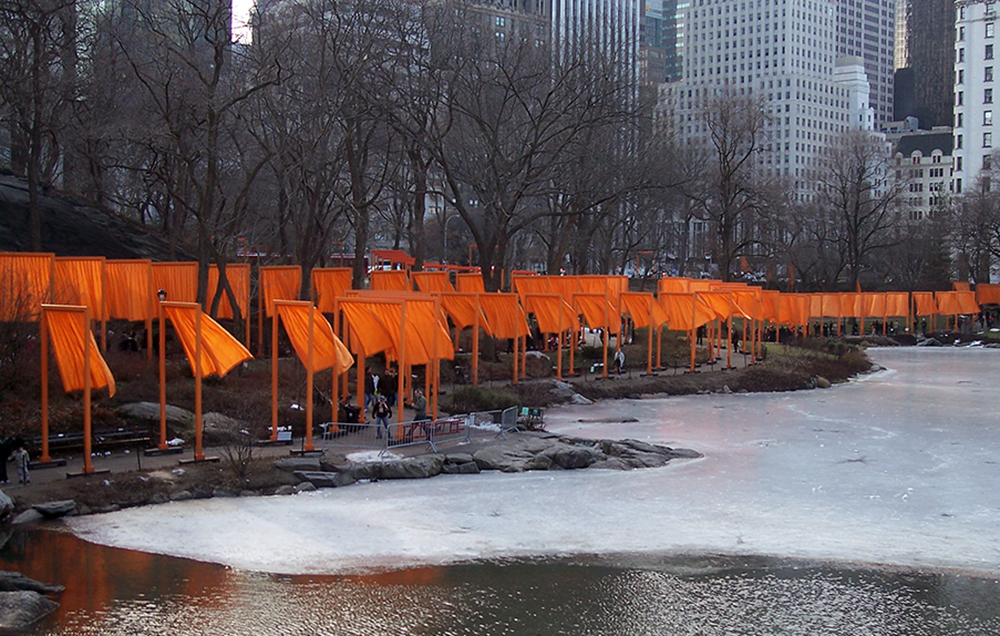
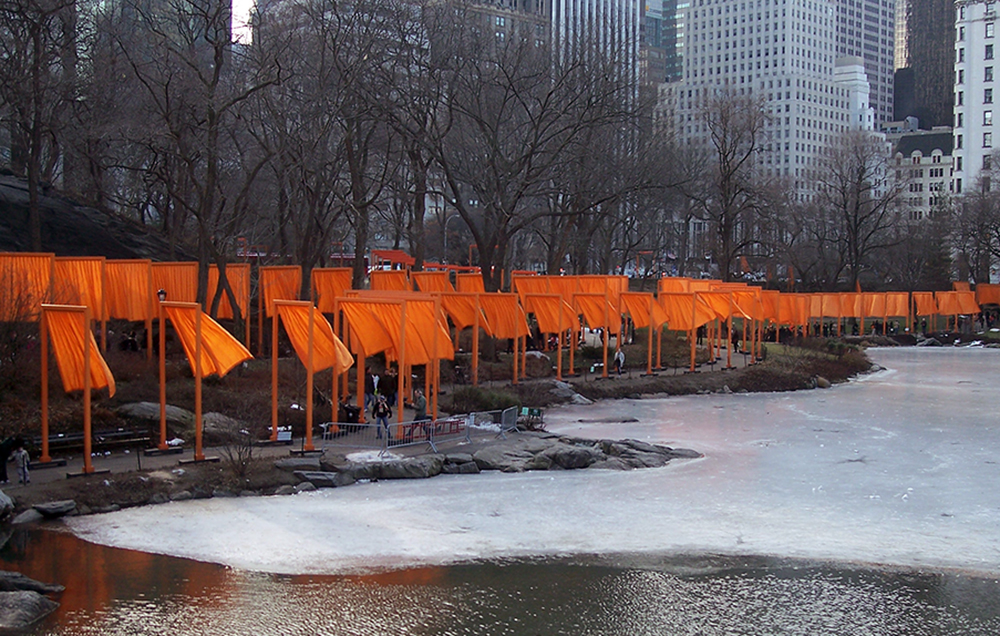
- Ecological Installations: Artists create large-scale installations that immerse viewers in environmental issues. Examples include Christo and Jeanne-Claude’s “The Gates,” which highlighted the beauty of Central Park while drawing attention to land use and public spaces, and Olafur Eliasson’s “Ice Watch,” featuring melting blocks of glacial ice to evoke the effects of climate change.
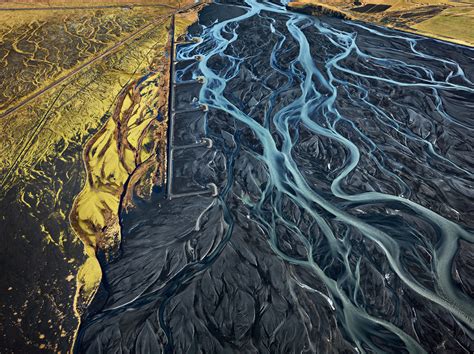
- Environmental Photography: Photographers capture powerful images that document environmental degradation, deforestation, and the impact of climate change. These visual narratives, such as those by Sebastião Salgado or Edward Burtynsky, convey the scale of environmental challenges and their profound effects on ecosystems and communities.
- Eco-Art and Land Art: Eco-artists and land artists work directly with the environment, using natural materials and landscapes to create artworks. Richard Long’s land art installations and Agnes Denes’ environmental projects, such as “Wheatfield – A Confrontation,” exemplify this approach, fostering a connection between art, nature, and sustainability.
- Recycled and Upcycled Art: Artists repurpose discarded materials and waste to create artworks that highlight the importance of recycling and reducing consumption. Sculptors like Michelle Reader and El Anatsui transform discarded objects into visually striking pieces, emphasizing the potential for creative reuse.
- Street Art and Murals: Street artists contribute to environmental activism through large-scale murals that address issues such as deforestation, pollution, and endangered species. Murals by artists like ROA and Blu serve as public reminders of the ecological challenges faced globally, encouraging dialogue and action.
- Interactive Art Installations: Artists create interactive installations that engage audiences in a direct and participatory manner. For example, Rafael Lozano-Hemmer’s “Pulse Room” visualizes the collective heartbeat of participants, emphasizing the interconnectedness of human life and the environment.
- Climate Change Theater: Playwrights and theater artists tackle environmental issues through thought-provoking plays and performances. Productions like “The Great Immensity” by The Civilians explore climate change, inviting audiences to consider the implications of human actions on the planet.
- Environmental Animation and Film: Animators and filmmakers use their craft to convey environmental narratives and explore solutions. Documentaries like “An Inconvenient Truth” by Davis Guggenheim and animated films like “WALL-E” by Pixar highlight the environmental challenges we face while suggesting possibilities for change.
These artistic responses contribute to a broader cultural dialogue on environmental stewardship, inviting individuals to confront the consequences of human actions and participate in the collective effort to preserve and protect the planet. Through the emotional impact of art, these expressions foster a deeper understanding of environmental issues and inspire meaningful action towards sustainability.
 æsthetic triangle