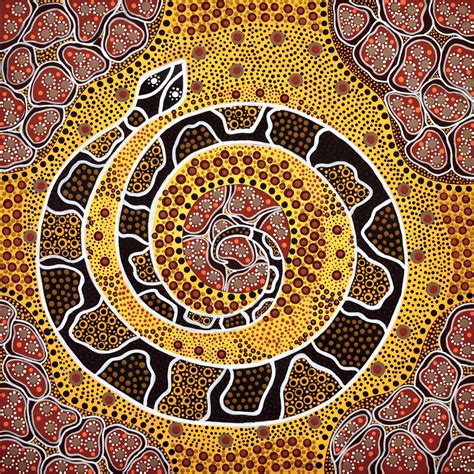
Indigenous art is a diverse and rich form of visual expression that celebrates cultural heritage, spirituality, and connection to the land. Emerging from various Indigenous communities globally, this art form encompasses a wide array of styles, techniques, and materials, reflecting the unique histories, traditions, and worldviews of Indigenous peoples.
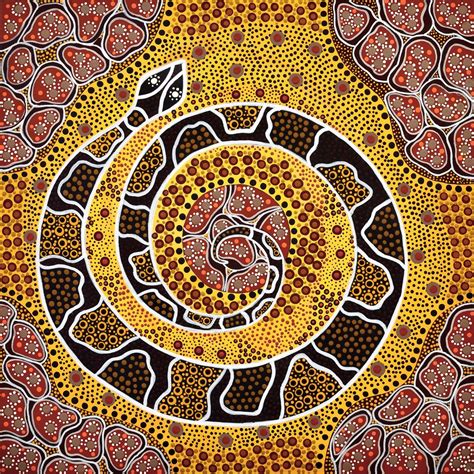
- Cultural Preservation: Indigenous art serves as a powerful means of cultural preservation. Through visual storytelling, artists pass down traditional knowledge, oral histories, and spiritual beliefs to subsequent generations. These artistic expressions become living records of cultural identity and resilience.
- Connection to Nature: Many Indigenous art forms are deeply rooted in the connection to the natural world. Symbolism and motifs often draw inspiration from animals, plants, landscapes, and celestial bodies. This reflects the spiritual relationship that Indigenous communities maintain with the environment, emphasizing the interconnectedness of all living things.
- Ceremonial and Ritual Art: Indigenous art often plays a crucial role in ceremonial and ritual practices. Masks, regalia, and ceremonial objects are crafted with precision and carry spiritual significance. These artworks contribute to the ceremonial life of Indigenous communities, marking important events and reinforcing cultural ties.
- Storytelling and Symbolism: Indigenous art frequently employs storytelling as a central element. Through symbols, patterns, and visual narratives, artists communicate stories of creation, migration, and ancestral wisdom. Each piece carries layers of meaning that connect the viewer to the cultural narrative.
- Diversity of Styles: Indigenous art is incredibly diverse, reflecting the distinctiveness of each community. From the vibrant colors and geometric patterns of Haida art on the Northwest Coast to the intricate dot paintings of Australian Aboriginal art, the styles vary widely, showcasing the unique aesthetics of different Indigenous cultures.
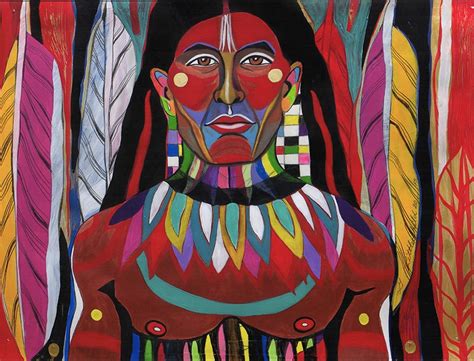
- Contemporary Indigenous Art: Indigenous artists continually innovate and adapt their artistic expressions to the contemporary context. Many artists blend traditional techniques with contemporary mediums and themes, addressing issues such as identity, colonization, and environmental concerns. This dynamic approach ensures the relevance and evolution of Indigenous art in the contemporary art world.
- Social and Political Commentary: Indigenous art often serves as a platform for social and political commentary. Artists use their work to address historical injustices, advocate for Indigenous rights, and challenge stereotypes. Through their creativity, Indigenous artists contribute to broader conversations about cultural resilience and social justice.
- Economic Empowerment: Indigenous art has become an important source of economic empowerment for many communities. The creation and sale of artworks provide economic opportunities for artists, fostering cultural sustainability and supporting community development initiatives.
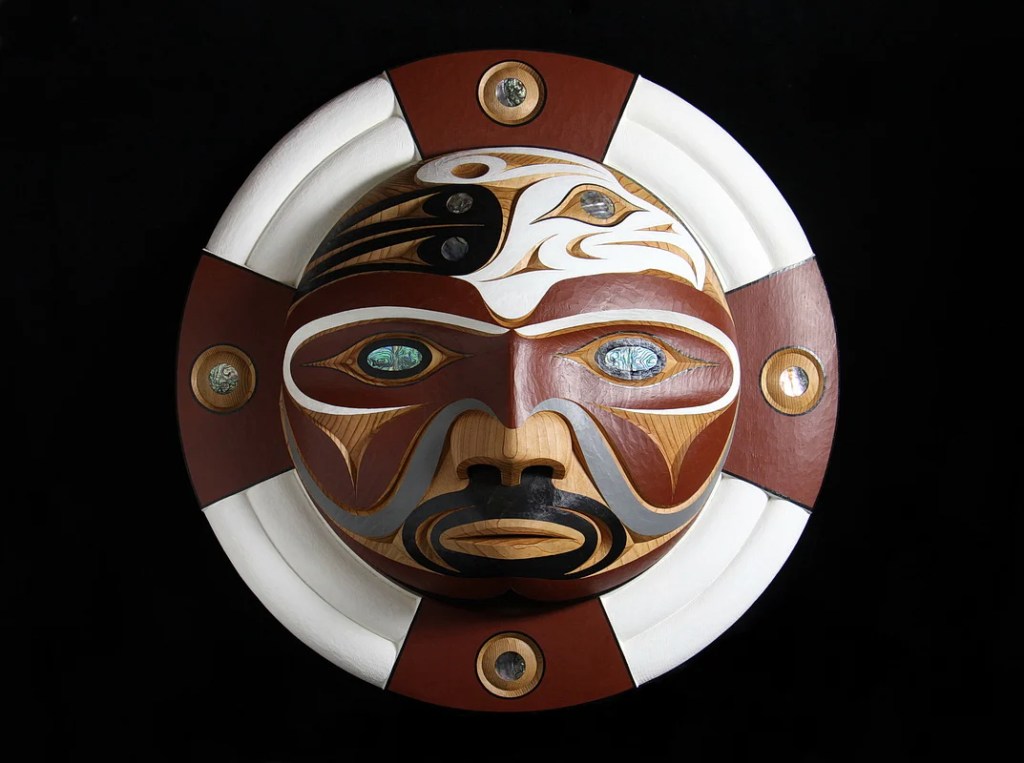
Indigenous art stands as a testament to the resilience, creativity, and cultural richness of Indigenous peoples. As these artistic traditions continue to evolve and intersect with contemporary influences, they contribute not only to the cultural heritage of Indigenous communities but also to the global dialogue on diversity, representation, and the power of visual expression.
 æsthetic triangle