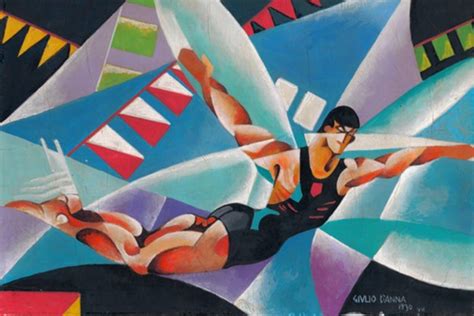
Futurism, an avant-garde art movement that emerged in the early 20th century, sought to capture the dynamism, speed, and energy of modern life in the context of technological advancements and societal changes. Spearheaded by Italian poet Filippo Tommaso Marinetti, Futurism embraced a celebration of progress, speed, and the machine age.

- Dynamic Energy: Futurist artworks aimed to convey a sense of dynamic energy and movement. Artists employed techniques such as rapid brushstrokes, fragmented forms, and the representation of speed to create a visual language that reflected the fast-paced nature of modern urban existence.
- Technological Influence: The Futurists were fascinated by the impact of technology on society. They celebrated the machine, industrialization, and the transformative power of new inventions. Artworks often featured depictions of trains, cars, airplanes, and other symbols of modernity.
- Manifestos and Ideology: Marinetti and other Futurist artists articulated their ideas through manifestos that called for a rejection of traditional artistic conventions. They embraced the concept of the “aesthetic of the machine” and sought to break away from historical artistic traditions.
- Urban Life and Cityscapes: Futurist art often focused on urban life and cityscapes. Artists like Umberto Boccioni and Giacomo Balla depicted bustling city streets, emphasizing the cacophony of city life and the vibrancy of urban environments.
- Simultaneity and Fragmentation: Futurist artists explored the concept of simultaneity, capturing multiple perspectives or moments in a single artwork. This technique, along with the fragmentation of forms, conveyed the multifaceted and dynamic nature of modern experiences.
- Influence on Other Movements: Futurism’s influence extended beyond the visual arts to literature, music, and design. The movement laid the groundwork for subsequent avant-garde movements and contributed to the development of modernist aesthetics.
While Futurism’s celebration of modernity was initially embraced, the movement also faced criticism for its embrace of war and militarism. Nonetheless, its impact on the visual arts and cultural discourse remains significant, as it played a pivotal role in shaping the artistic responses to the rapidly changing landscape of the 20th century.

 æsthetic triangle