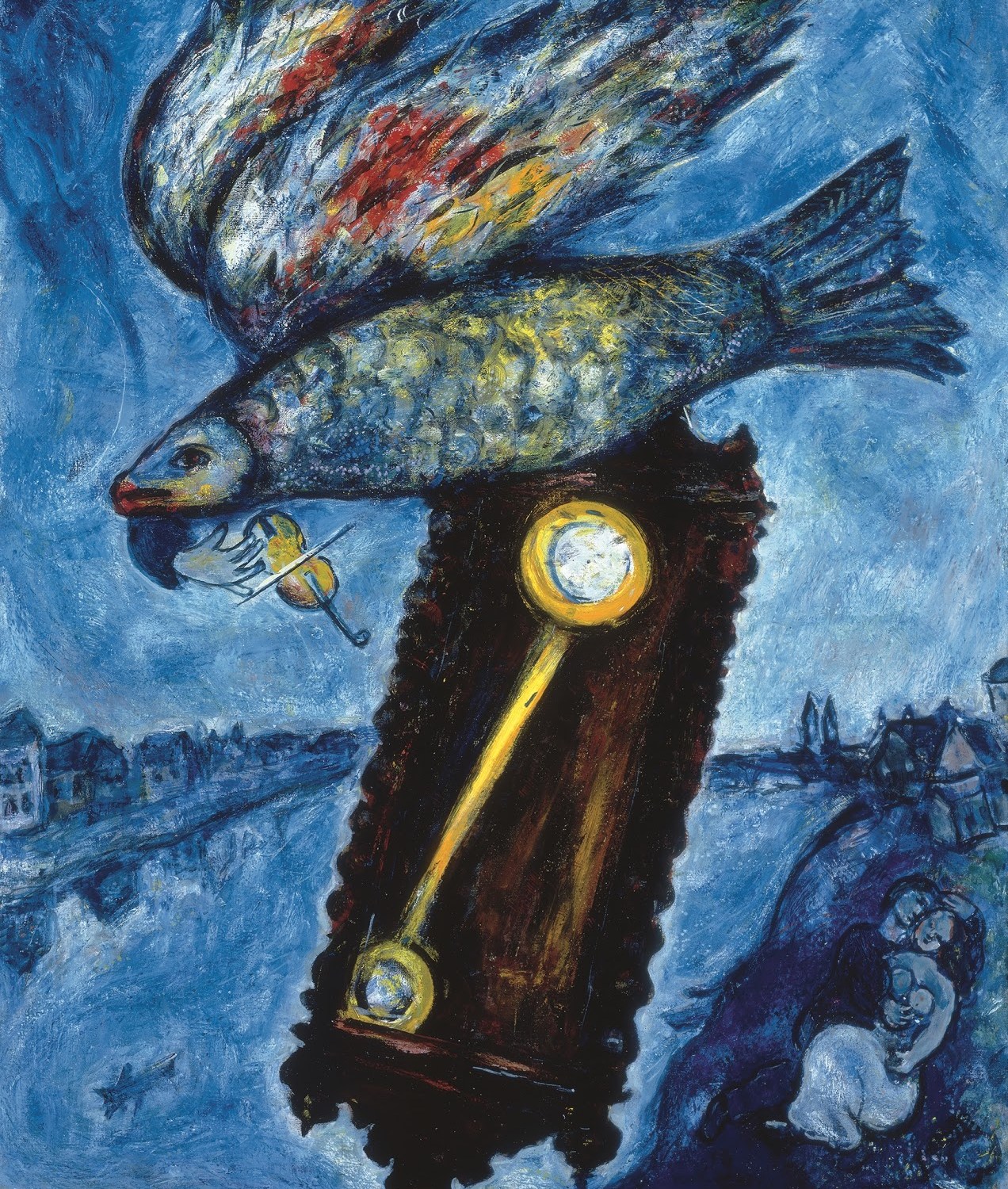
World War II had a profound impact on art and artists, shaping the creative response to the conflict and influencing the trajectory of artistic movements in the post-war era. The war, marked by devastation, displacement, and ideological struggles, became a catalyst for artistic expression that reflected the complexities of the time.
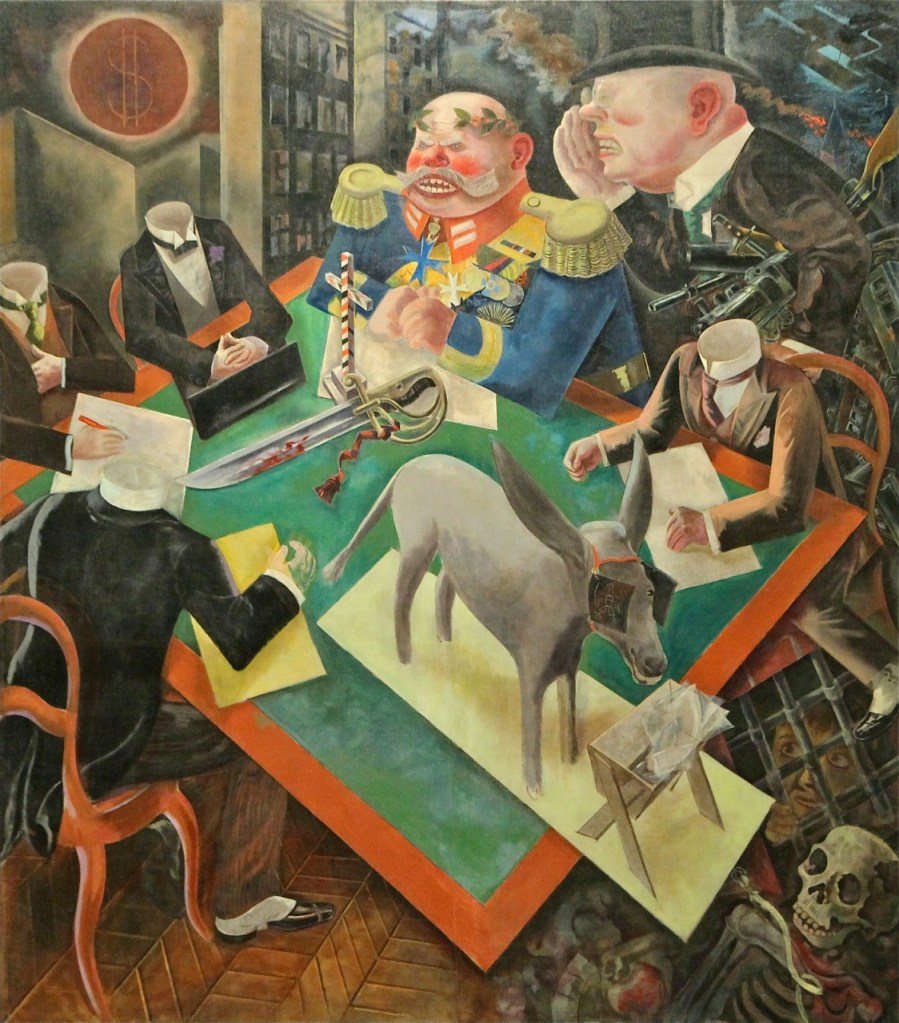
- Social Realism and War Art: Many artists engaged in Social Realism and produced war art that depicted the harsh realities of conflict. Artists like Otto Dix and George Grosz, who had experienced World War I, continued to address the impact of war in their works. Their art captured the brutality, human suffering, and societal upheaval caused by World War II.
- Refugee and Exile Art: The war forced numerous artists into exile or displacement. This experience influenced their works, as seen in the art of Marc Chagall and Max Ernst, who grappled with the themes of displacement, loss, and the search for identity in the aftermath of the conflict.
- Existentialism and Abstract Expressionism: Existentialist philosophy, which emerged in response to the existential crises of the war, influenced art movements such as Abstract Expressionism. Artists like Jackson Pollock and Willem de Kooning, influenced by the trauma of the war, embraced abstraction as a means to express the complexities of the human condition.
- Holocaust Art: The horrors of the Holocaust left an indelible mark on artistic expression. Artists like Samuel Bak and Charlotte Salomon created works that bear witness to the atrocities, serving as a form of remembrance and a means to convey the magnitude of human suffering.
- Reconstruction and Optimism: In the post-war period, there was a desire for rebuilding and optimism. Artists like Piet Mondrian and Jean Arp embraced abstraction as a way to convey a sense of order, harmony, and hope for a better future.
- Photography and Documenting Reality: Photojournalists and war photographers, such as Robert Capa and Dorothea Lange, played a crucial role in documenting the war’s impact. Their images provided a raw and immediate perspective on the human experience, influencing not only journalism but also the visual language of contemporary art.
- Political and Social Activism: The war spurred political and social activism within the art world. Artists like Pablo Picasso and Diego Rivera engaged in politically charged works, advocating for peace, social justice, and human rights.
The collective trauma of World War II resonated deeply in the artistic community, resulting in a diverse range of responses that reflected the complexity of the wartime experience. The aftermath of the conflict continued to shape artistic discourse, fostering a rich and varied artistic landscape in the post-war era.
 æsthetic triangle