
Art Deco, a visual and decorative arts movement that emerged in the 1920s, is characterized by its distinctive blend of glamour, geometric forms, and luxurious materials. This aesthetic style, prevalent in architecture, design, fashion, and visual arts, epitomizes the opulence and modernity of the interwar period.
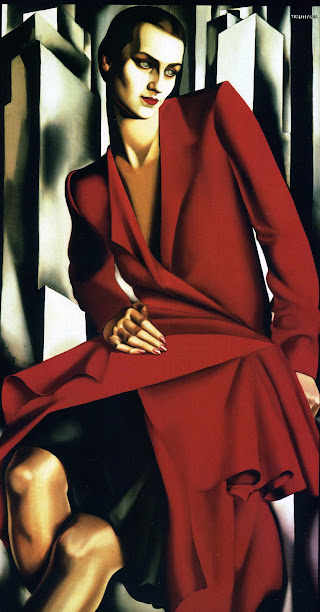
- Geometric Shapes: Art Deco is renowned for its use of bold geometric shapes, including zigzags, chevrons, and streamlined forms. These patterns and motifs convey a sense of dynamism and modernity, reflecting the technological advancements and industrial progress of the era.
- Luxurious Materials: Art Deco embraces opulent materials such as chrome, glass, lacquer, and exotic woods. The use of rich and luxurious materials contributes to the overall sense of sophistication and extravagance associated with the style.
- Symmetry and Precision: Art Deco places a strong emphasis on symmetry and precision. Buildings, furniture, and artworks are often meticulously balanced, creating a sense of order and harmony. This precision reflects the influence of machinery and industrial production methods on artistic design.
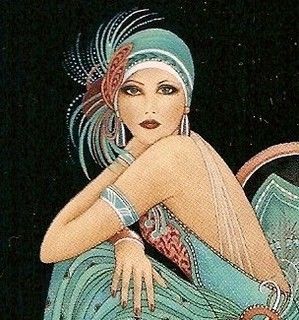
- Bold Colors: Vibrant and contrasting colors are a hallmark of Art Deco. The palette includes bold hues such as royal blue, emerald green, and deep red, often paired with metallic accents. This use of color adds to the overall visual impact and glamour of Art Deco designs.
- Influence of Ancient Cultures: Art Deco draws inspiration from ancient cultures, particularly Egyptian and Aztec motifs. The use of stylized symbols, such as pyramids and sphinxes, contributes to the exotic and eclectic nature of Art Deco design.
- Streamlined Forms in Architecture: In architecture, Art Deco is characterized by sleek, streamlined forms. Skyscrapers, theaters, and public buildings of the era often feature stepped setbacks, vertical lines, and intricate ornamentation, creating a sense of verticality and modern grandeur.
- Applied to Various Art Forms: Art Deco’s influence extends to various art forms, including furniture design, fashion, and graphic arts. The aesthetic’s popularity in the 1920s and 1930s has left an indelible mark on the visual culture of the period.
Art Deco remains a celebrated and influential aesthetic, influencing subsequent design movements and retaining its allure in contemporary interpretations of glamour and sophistication.
 æsthetic triangle