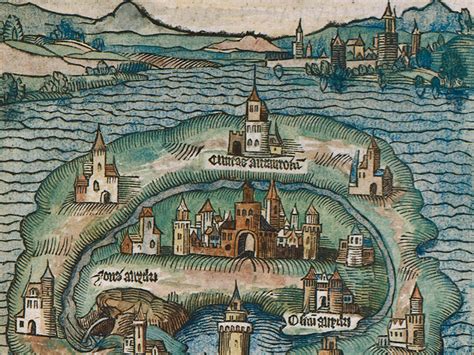
Artistic depictions of utopia and dystopia serve as powerful reflections of societal hopes, fears, and visions of the future. Artists explore these contrasting realms to critique contemporary issues, envision alternative realities, and provoke thought about the trajectory of humanity.
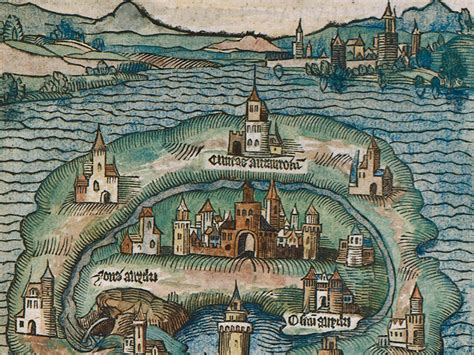
Utopia:
- Ideal Societal Constructs: Utopian art envisions idealized societies characterized by harmony, equality, and prosperity. Artists imagine utopias as places where social injustices are eradicated, and individuals live in peace and cooperation.
- Architectural Utopias: Utopian visions often extend to architecture and urban planning. Artists design cities and landscapes that prioritize sustainability, communal living, and the integration of nature. These utopian environments embody an optimistic belief in humanity’s ability to create a better world.
- Symbolic Imagery: Utopian art frequently employs symbolic imagery such as abundant landscapes, cooperative communities, and diverse, inclusive societies. Artists use these symbols to convey a vision of an ideal future where humanity has overcome its challenges and conflicts.
- Social and Technological Progress: Utopian artworks often portray advancements in science, technology, and social systems. These depictions celebrate progress and the potential for human achievement, emphasizing the importance of education, innovation, and social harmony.
Dystopia:
- Dark Reflections of Society: Dystopian art serves as a dark reflection of societal anxieties and concerns. Artists depict worlds where oppressive governments, environmental degradation, or technological excesses have led to the deterioration of human values.
- Nightmarish Landscapes: Dystopian landscapes are characterized by decay, pollution, and the remnants of a once-thriving society. Artists employ stark contrasts, desaturated colors, and foreboding atmospheres to convey a sense of impending doom.
- Totalitarian Control: Dystopian art often explores themes of totalitarian control and loss of individual freedoms. Artists depict surveillance, propaganda, and dehumanizing institutions as elements contributing to the bleakness of dystopian worlds.
- Human Vulnerability: Dystopian art frequently emphasizes the vulnerability of the individual in the face of oppressive systems. Artists portray protagonists grappling with isolation, surveillance, and the consequences of unchecked power.
- Cautionary Tales: Dystopian art serves as a cautionary tale, urging viewers to consider the consequences of current actions and societal trajectories. Artists prompt reflection on issues such as environmental degradation, political extremism, and the ethical implications of technological advancements.
Both utopian and dystopian art play essential roles in shaping cultural narratives and sparking dialogue about the future. Artists use these visions to challenge the status quo, provoke critical thinking, and encourage viewers to imagine and actively shape the world they want to live in.

 æsthetic triangle