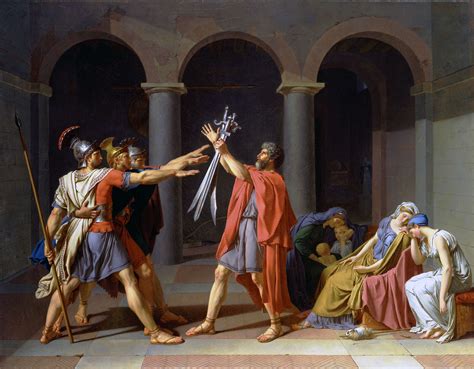
Neoclassicism, a prominent artistic and intellectual movement that emerged in the 18th century, marked a deliberate return to the classical ideals of ancient Greece and Rome. Reacting against the ornate and extravagant style of the preceding Rococo period, Neoclassical artists sought inspiration in the rationalism, order, and simplicity of classical antiquity.
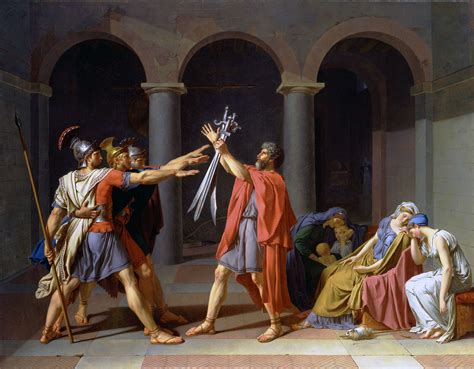
- Classical Influence: Neoclassicism drew inspiration from the art, literature, and philosophy of ancient Greece and Rome. Artists studied classical sculptures, architecture, and texts to emulate the ideals of clarity, reason, and proportion that characterized classical aesthetics.
- Emphasis on Rationalism: Neoclassical art emphasized rationalism and reason over the emotional and fantastical elements of the Baroque and Rococo periods. This shift reflected the Enlightenment values of logic, reason, and a belief in the capacity of human intellect.
- Architectural Revival: Neoclassical architecture, characterized by symmetry, columns, and pediments, aimed to recreate the grandeur of classical buildings. Architects like Jacques-Louis David and Étienne-Louis Boullée incorporated classical motifs into their designs, contributing to the revival of classical architectural forms.Historical and Mythological Themes: Neoclassical artists often depicted historical or mythological themes to convey moral lessons and virtues. Jacques-Louis David’s paintings, such as “The Oath of the Horatii” and “The Death of Socrates,” exemplify this emphasis on noble and heroic subjects drawn from classical antiquity.
- Patriotic Symbolism: In the context of political revolutions and the formation of new republics, Neoclassicism became a symbol of civic virtue and patriotism. The neoclassical style was embraced by revolutionary movements in France and the United States, seen in the architecture of public buildings and the portrayal of leaders in a classical heroic light.
Neoclassicism represented a deliberate break from the excesses of the preceding periods, advocating for a return to the timeless principles of classical art and philosophy. The movement influenced not only visual arts but also literature, music, and political thought, leaving a lasting impact on the cultural landscape of the 18th and early 19th centuries.

 æsthetic triangle