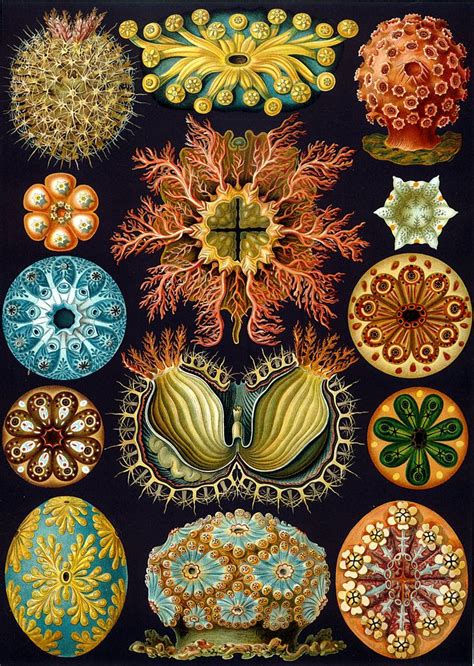
The intersection of art and science is a dynamic collaboration that harnesses creativity and discovery to explore and communicate complex ideas. This interdisciplinary approach has led to innovative solutions, enhanced communication, and a deeper understanding of the world.
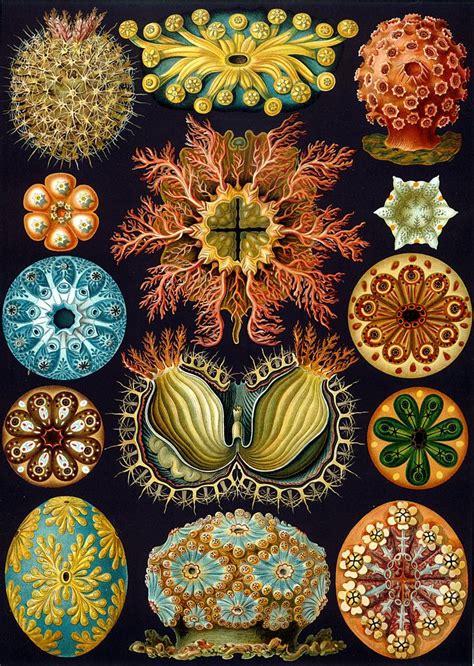
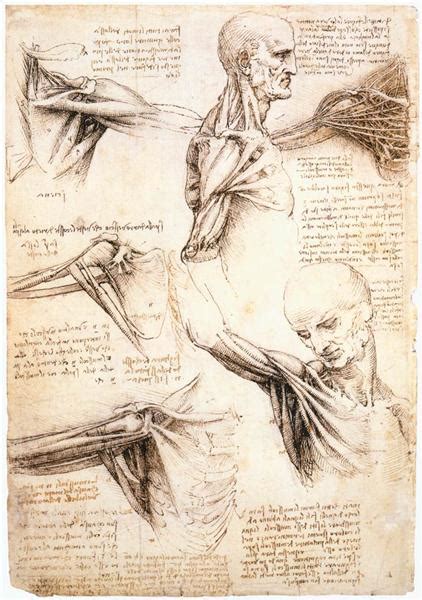
- Scientific Illustration: Artists have played a crucial role in scientific discovery by creating detailed illustrations that visually communicate complex scientific concepts. Historical examples include the intricate botanical illustrations of Ernst Haeckel and the anatomical drawings of Leonardo da Vinci, whose keen artistic skills facilitated a deeper understanding of the natural world.
- Data Visualization: In contemporary times, the collaboration between artists and scientists extends to data visualization. Infographics, animations, and interactive visualizations are powerful tools for conveying complex scientific data in an accessible and engaging manner. These collaborations enhance public understanding and appreciation of scientific research.
- BioArt: BioArt merges biological science and artistic expression, creating new forms of visual representation. Artists like Eduardo Kac have incorporated living organisms, genetic material, and biotechnology into their artworks, challenging ethical boundaries and prompting discussions about the intersection of art, science, and ethics.
- Innovative Technologies: Advances in technology have further facilitated collaboration between artists and scientists. Virtual reality, augmented reality, and interactive installations provide immersive experiences that bridge the gap between artistic expression and scientific exploration. These technologies enable audiences to engage with scientific concepts in novel and engaging ways.
- Cross-Disciplinary Research Centers: Institutions and research centers that bring together artists and scientists foster collaborative endeavors. The collaboration at such centers allows for a blending of methodologies, encouraging the cross-pollination of ideas and approaches.
- Artistic Responses to Environmental Issues: Artists contribute to raising awareness about environmental challenges through their work. Projects that address climate change, biodiversity loss, and ecological sustainability often involve collaborations with scientists to provide a holistic understanding of complex issues.
The synergy between art and science enhances the potential for discovery and creativity. It not only facilitates the communication of scientific knowledge to diverse audiences but also encourages a broader perspective that embraces the emotional and aesthetic dimensions of scientific inquiry. The collaboration between these two seemingly distinct disciplines underscores the interconnectedness of human curiosity, creativity, and the pursuit of knowledge.
 æsthetic triangle