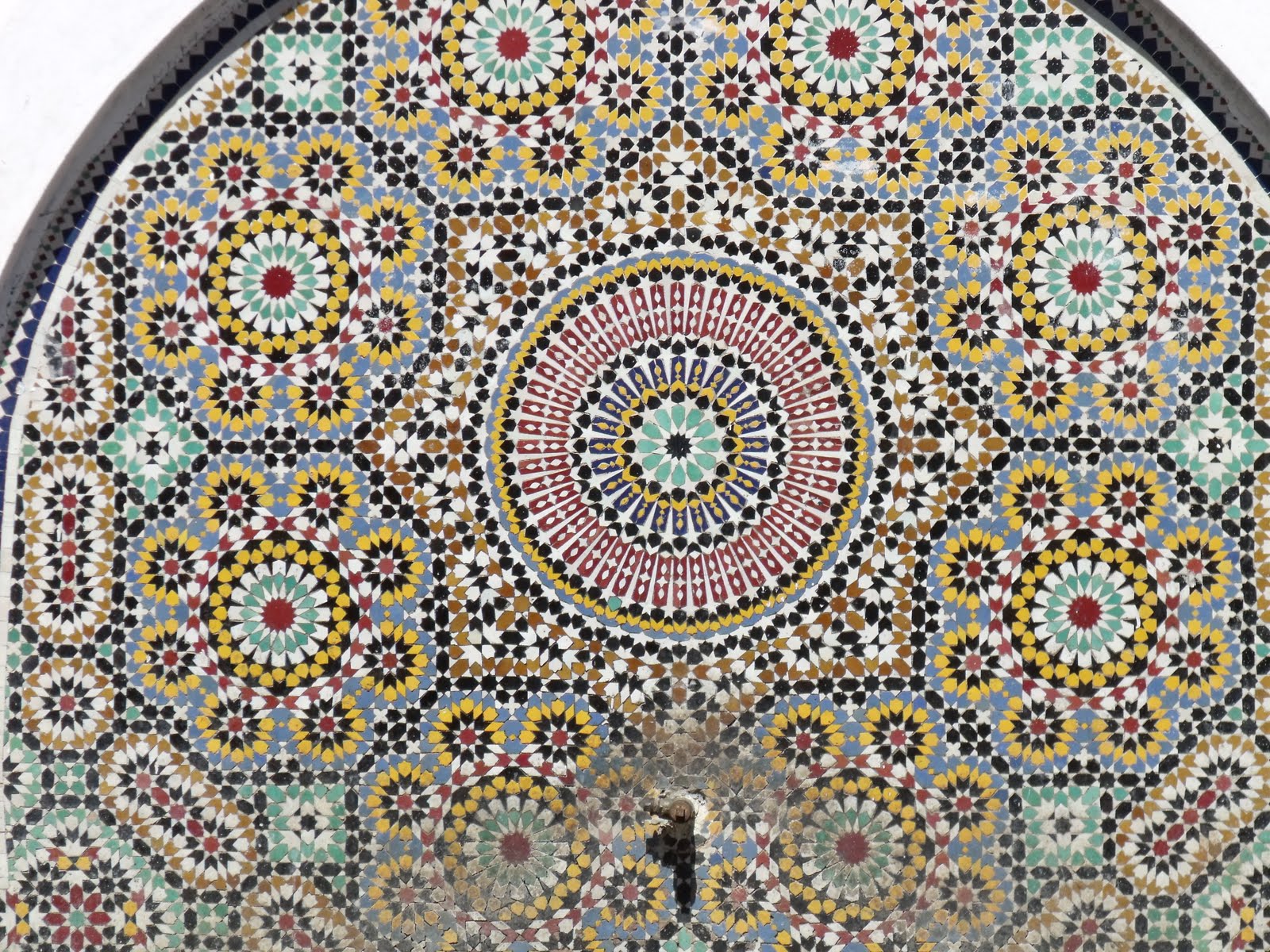
The influence of Islamic art on Western aesthetics has been profound and enduring, spanning centuries and leaving an indelible mark on various artistic disciplines. Key aspects of Islamic art that have impacted Western aesthetics include:
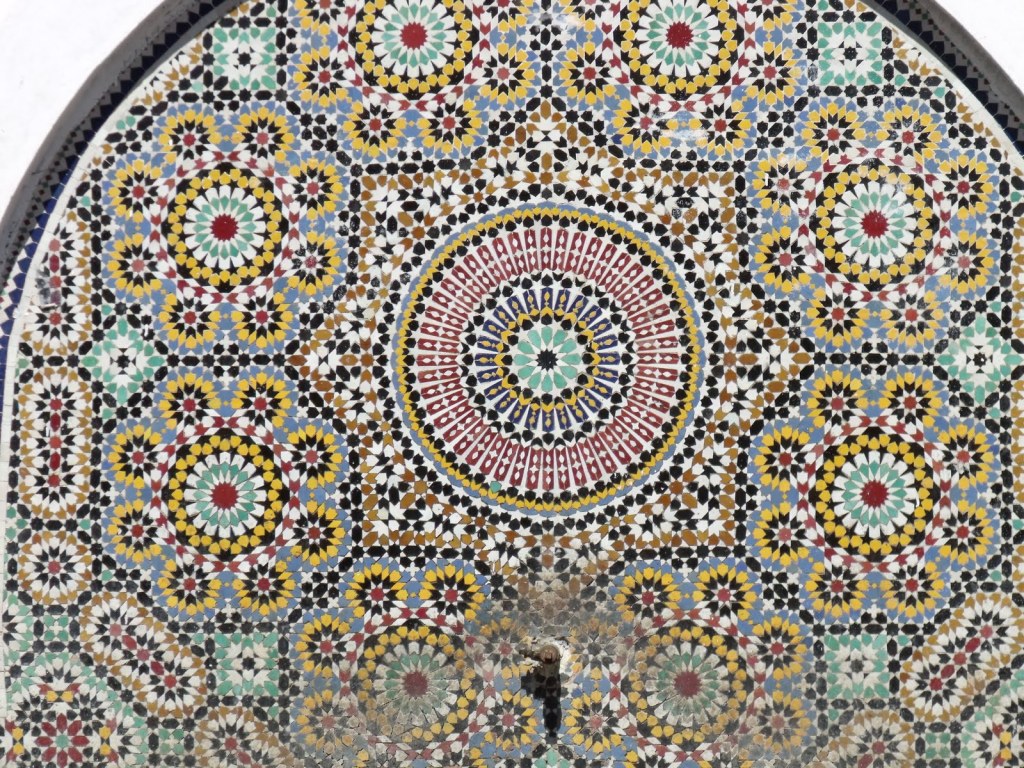
- Geometric Patterns: Islamic art is renowned for its intricate geometric patterns, which often adorn architecture, textiles, and manuscripts. These patterns, characterized by symmetry and precision, have inspired Western artists, architects, and designers. The use of geometric motifs became prevalent in Western decorative arts during the Renaissance and later movements.
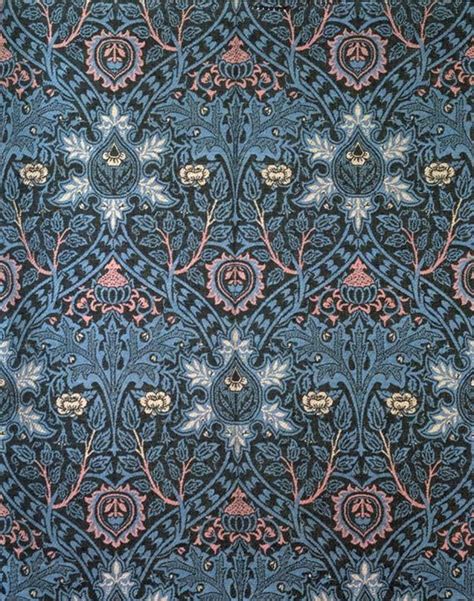
- Arabesque and Calligraphy: The arabesque, an elaborate and intertwined vegetal motif, and Arabic calligraphy are distinctive features of Islamic art. These elements found resonance in Western art, particularly during the Islamic influence on Moorish Spain. Artists like William Morris incorporated arabesque designs in their works, and calligraphic elements influenced graphic design and typography.
- Mosaics and Tilework: Islamic art is renowned for its vibrant mosaic and tilework, often seen in mosques and palaces. This artistic tradition influenced Western mosaic techniques, especially during the Gothic and Renaissance periods. The use of vibrant, tessellated tiles became a characteristic feature of Western architecture and design.
- Influence on Renaissance Art: The European Renaissance witnessed a revival of interest in classical and non-Western art. Islamic art, with its mathematical precision and aesthetic sophistication, became a source of inspiration for Renaissance artists like Leonardo da Vinci and Albrecht Dürer. The Islamic artistic legacy contributed to the evolving concept of perspective and proportion in Western art.
The cross-cultural exchange between the Islamic world and the West has been a dynamic force, enriching the visual vocabulary of both traditions. The elegance, precision, and beauty of Islamic art continue to resonate in Western aesthetics, illustrating the enduring impact of cultural interchange on artistic expression.
 æsthetic triangle