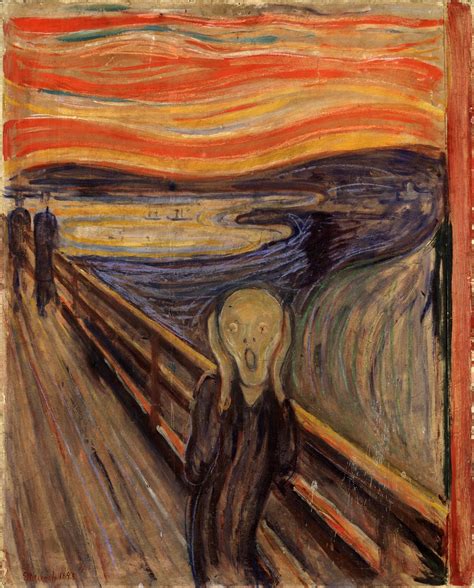
Symbolist art, a late 19th-century movement that emerged in reaction to the materialism and rationalism of the time, delved into the realms of dreams, mythology, and the unconscious mind. Symbolist artists sought to express emotions, ideas, and spiritual concepts through symbolic and dreamlike imagery.
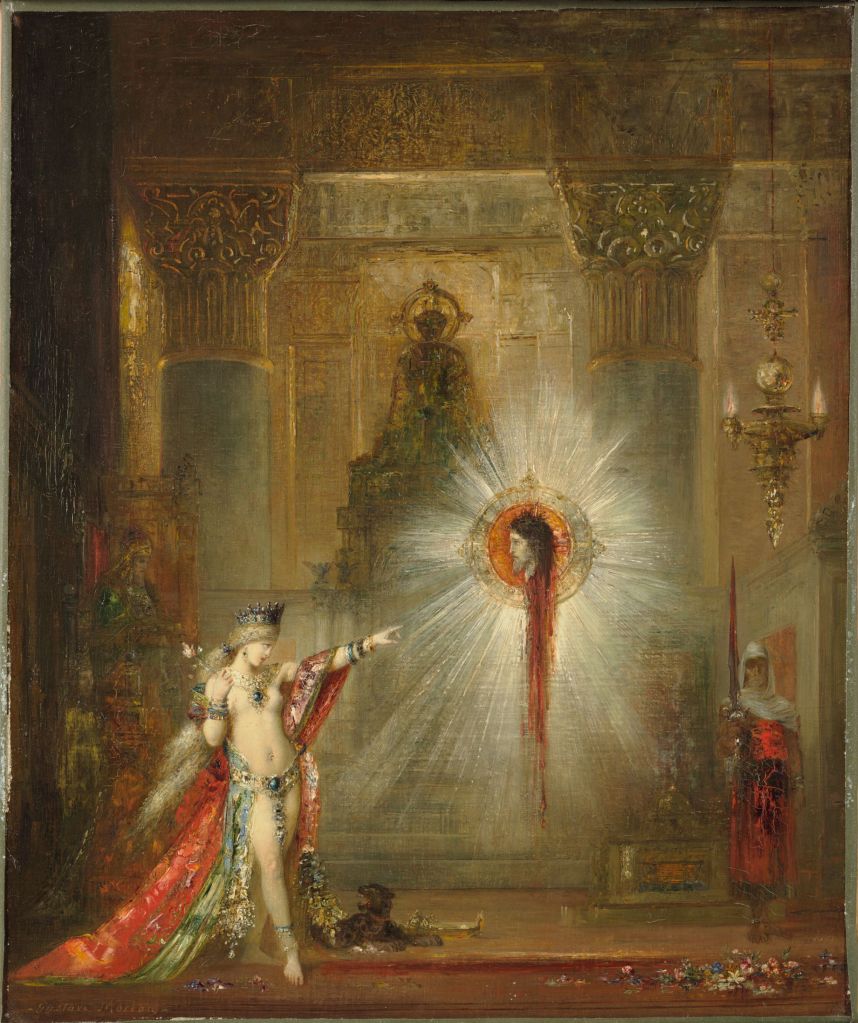
- Escape from Realism: Symbolism rejected the emphasis on realistic representation prevalent in academic art. Artists, disillusioned with the materialism of the industrial age, sought to convey abstract and spiritual dimensions beyond the tangible world.
- Mysticism and Symbolism: Symbolist art drew inspiration from mysticism, mythology, and the occult. Artists like Gustave Moreau and Odilon Redon explored fantastical and otherworldly subjects, using symbolism as a means to communicate profound spiritual or psychological truths.
- Dreamlike Imagery: Symbolist artists often incorporated dreamlike and surreal elements into their works. The use of symbolism allowed for the expression of emotions and ideas that transcended the boundaries of reality. The ambiguous and evocative nature of their imagery invited viewers to interpret and delve into the subconscious.
- Exploration of the Unconscious: Symbolist art predated the emergence of psychoanalysis, yet it foreshadowed themes explored by Sigmund Freud and Carl Jung. Artists like Edvard Munch and Fernand Khnopff delved into the darker corners of the human psyche, exploring themes of anxiety, desire, and the unconscious mind.
- Synesthesia and Symbolic Colors: Symbolist artists often embraced synesthetic experiences, blending visual and sensory perceptions. Symbolic colors and their associations were carefully chosen to evoke specific moods and emotions. For instance, the use of blue might symbolize melancholy or spirituality, while red could represent passion or danger.
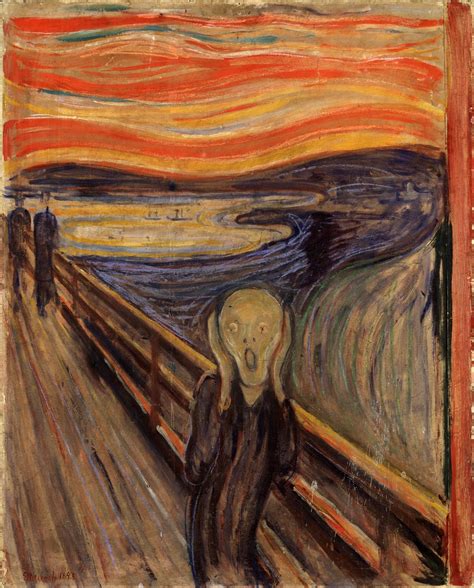
Symbolist art, characterized by its enigmatic and subjective nature, paved the way for subsequent movements such as Surrealism and Expressionism. It remains a fascinating exploration of the human psyche, capturing the ethereal and introspective dimensions of the late 19th century’s changing cultural landscape.
 æsthetic triangle