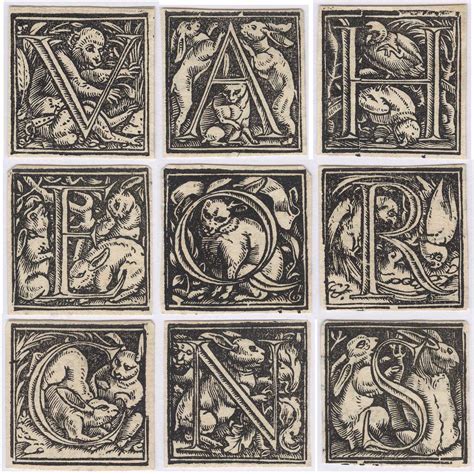
The Renaissance witnessed a profound revival of printmaking techniques, transforming the way images were disseminated, influencing artistic expression, and democratizing access to visual culture. Two prominent techniques that flourished during this period were woodcuts and engravings.

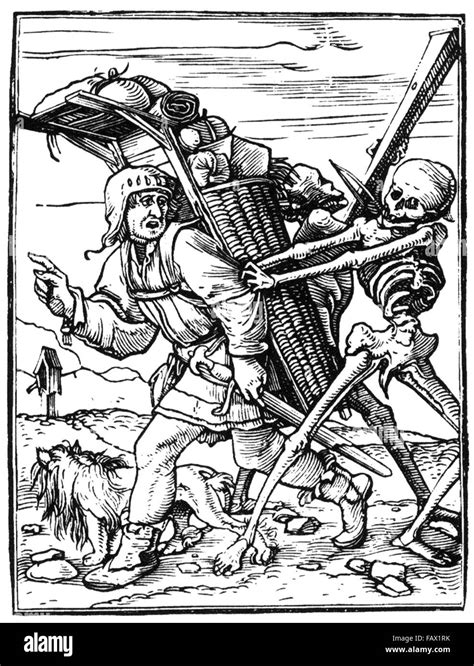
- Woodcuts: Woodcut printing, an ancient technique, experienced a renaissance during the 15th century. Artists such as Albrecht Dürer and Hans Holbein utilized woodblocks to create intricate and detailed prints. Woodcuts involved carving a relief image onto a wooden block, applying ink to the surface, and transferring the image onto paper. This technique allowed for the mass production of images, making art more widely accessible.
- Albrecht Dürer’s Engravings: Albrecht Dürer, a key figure of the Northern Renaissance, played a pivotal role in popularizing engraving as an artistic medium. Unlike woodcuts, engraving involved incising an image onto a metal plate, typically copper. Dürer’s engravings, such as “Melencolia I” and “The Knight, Death, and the Devil,” showcased the meticulous detail and precision achievable with this technique, elevating printmaking to a fine art form.
- Dissemination of Knowledge: The advent of printmaking allowed for the mass production and distribution of images, contributing to the dissemination of knowledge and ideas. Print shops became hubs of cultural exchange, with artists, intellectuals, and printers collaborating to produce prints ranging from religious imagery to scientific illustrations.
- Religious Prints: The Renaissance saw an increase in the production of religious prints, particularly in Northern Europe. Biblical scenes, saints, and religious narratives were disseminated through prints, catering to a growing demand for devotional images. This shift in religious imagery also reflected changes in religious attitudes during the period.
- Scientific Illustration: Printmaking played a crucial role in the dissemination of scientific knowledge. Artists collaborated with scientists to produce detailed and accurate illustrations of botanical specimens, anatomical studies, and astronomical phenomena. These prints not only served educational purposes but also contributed to the burgeoning interest in the natural world.
The Renaissance of printmaking transformed the landscape of visual culture, democratizing access to art and knowledge. The ability to reproduce images allowed for a wider audience to engage with visual narratives, fostering cultural exchange and influencing artistic styles for centuries to come. Printmaking became a dynamic and influential medium, shaping the trajectory of artistic expression and communication in the Renaissance and beyond.
 æsthetic triangle