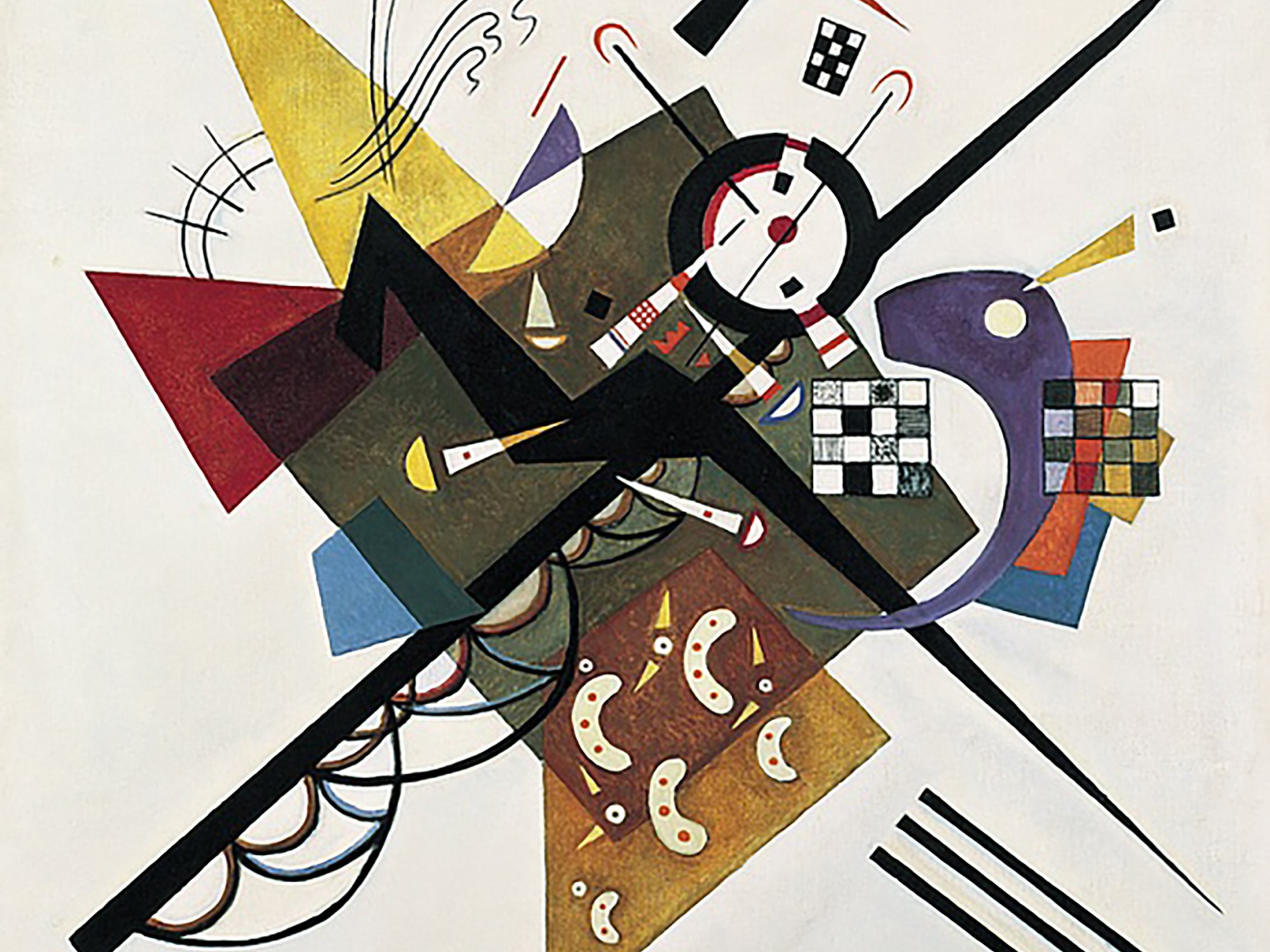
Modernism, a transformative cultural, artistic, and intellectual movement spanning the late 19th to mid-20th century, marked a radical departure from traditional artistic conventions. Rejecting the representational styles of the past, modernist artists sought to capture the essence of the rapidly changing world by embracing abstraction, experimentation, and a break from established norms.
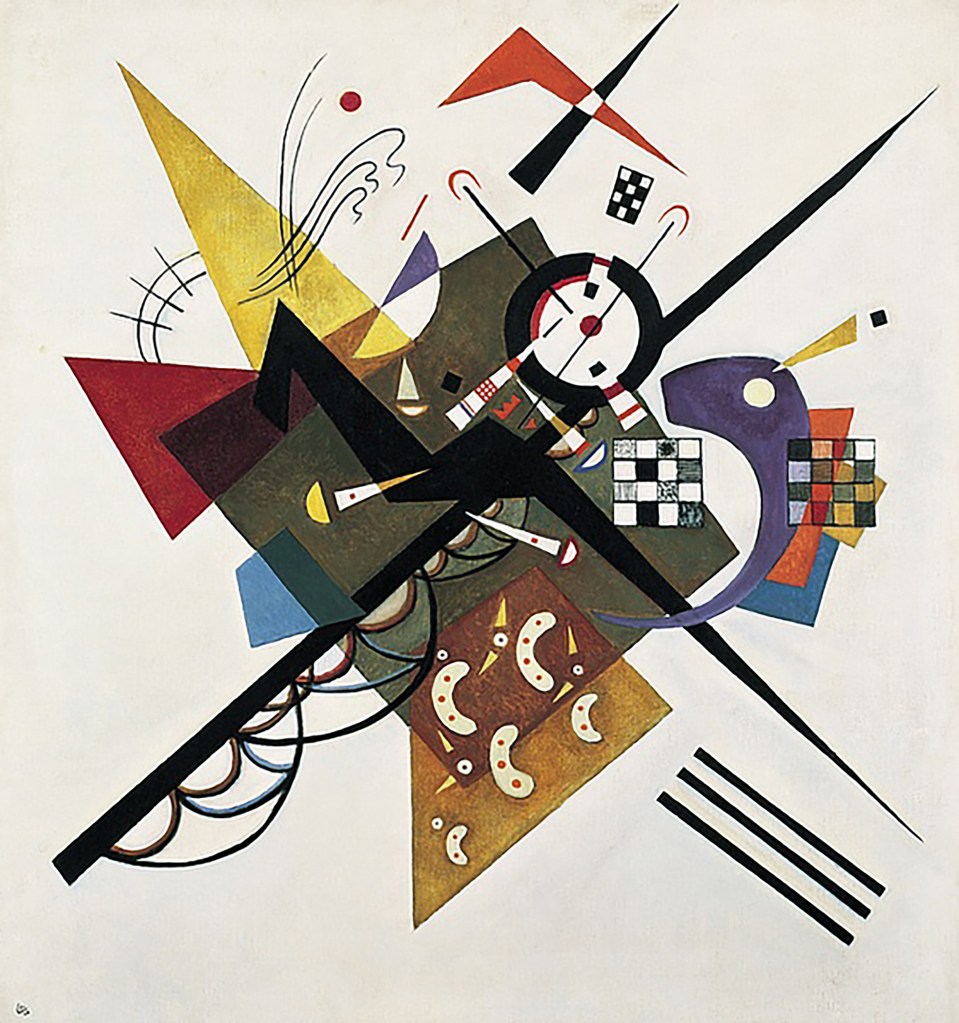
- Abstraction: Modernist artists, such as Wassily Kandinsky and Kazimir Malevich, shifted towards abstraction, moving away from realistic depictions. They explored non-representational forms, geometrical shapes, and color theory to convey emotions and ideas, pushing the boundaries of artistic expression.
- Expression of Individuality: Modernism encouraged artists to express their individuality and subjective experiences. Artists like Pablo Picasso and Georges Braque embraced Cubism, deconstructing and reassembling forms to present multiple perspectives simultaneously, challenging the traditional notion of a single viewpoint.
- Technological Advancements: The advent of photography and industrialization influenced modernist aesthetics. Artists like Marcel Duchamp questioned traditional ideas of art by incorporating everyday objects into their works, exemplifying the influence of technological and societal changes on artistic expression.
- Breaking with Tradition: Modernism sought to break free from the constraints of academic art and the imitation of classical styles. Avant-garde movements, including Futurism, Dadaism, and Surrealism, emerged, reflecting a desire to create art that mirrored the dynamic, chaotic, and subconscious aspects of contemporary life.
Modernism’s impact extended beyond the visual arts, influencing literature, music, architecture, and philosophy. By challenging established norms and embracing abstraction, modernist artists transformed the artistic landscape, laying the groundwork for subsequent movements and shaping the trajectory of 20th-century art.

 æsthetic triangle