
The Renaissance, a period of cultural and artistic flourishing in Europe from the 14th to the 17th century, witnessed a complex and evolving role for women in the artistic scene. While societal norms and gender roles limited women’s direct participation in certain artistic spheres, they still made significant contributions as patrons, muses, and, in some cases, as artists themselves.
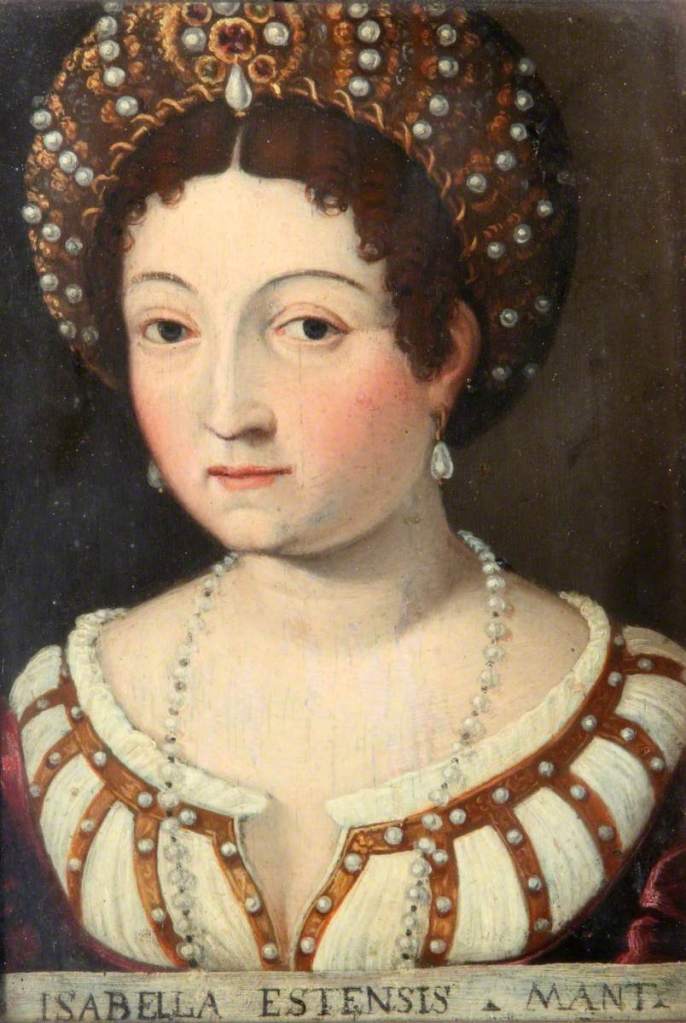
- Patronage: Wealthy and influential women played a crucial role as patrons of the arts during the Renaissance. Women like Isabella d’Este in Italy and Margaret of Austria in the Netherlands supported and commissioned works of art, fostering the careers of prominent artists. Their patronage contributed to the creation of masterpieces that adorned courts and public spaces.
- Muses and Inspirations: Women often served as muses and inspirations for male artists. Portraits of noblewomen, such as Leonardo da Vinci’s portrait of Ginevra de’ Benci or Raphael’s portraits of women from the Medici family, reflected the idealized beauty and grace that captivated artists during this period.
- Women Artists: While opportunities for women to become professional artists were limited, some still managed to pursue artistic careers. Caterina van Hemessen, a Flemish painter, is known as one of the earliest female artists to have a signed and dated self-portrait. Sofonisba Anguissola, an Italian painter, gained recognition for her portraiture, and Artemisia Gentileschi, despite facing challenges, became a notable Baroque painter known for her powerful and dramatic works.
- Artistic Education: Access to artistic education for women was constrained, but exceptions existed. Some women from affluent or artistic families received training in the arts. Proper artistic education, however, remained elusive for the majority of women due to societal norms that restricted their involvement in certain professions.
- Domestic Arts: Women were often involved in domestic arts, such as embroidery, tapestry, and manuscript illumination. These skills were valued and contributed to the overall cultural and aesthetic environment of the Renaissance. Women’s contributions to these decorative arts were considered an extension of their roles in maintaining household aesthetics.
Despite facing societal limitations, the Renaissance era saw a nuanced involvement of women in the artistic scene. Their influence as patrons, muses, and, in some cases, as artists themselves, left an indelible mark on the cultural landscape of the time. The Renaissance laid the groundwork for future discussions about gender roles in the arts, eventually leading to increased opportunities for women in subsequent centuries.

 æsthetic triangle