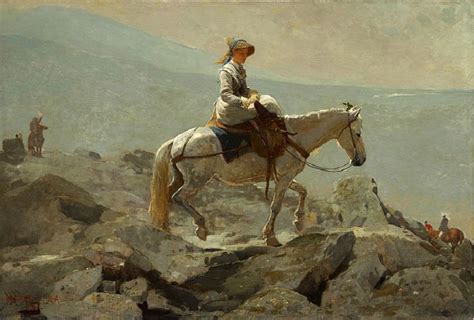
Realism, an art movement that emerged in the mid-19th century, sought to depict the world as it truly appeared, emphasizing the ordinary and everyday aspects of life. In contrast to the idealized and romanticized depictions prevalent in previous artistic movements, Realist artists aimed for authenticity and a faithful representation of reality.

Realism found expression in various forms, such as painting, literature, and photography, each capturing the nuances of ordinary existence. Prominent Realist painters like Gustave Courbet and Jean-François Millet portrayed rural life, laborers, and everyday scenes, emphasizing the dignity in ordinary people’s lives.
The advent of photography further influenced Realist art, providing a new tool for capturing the immediacy and authenticity of everyday moments. Artists like Édouard Manet and Edgar Degas incorporated photographic principles into their paintings, challenging traditional artistic conventions.
Realism not only transformed artistic techniques but also carried social implications, shedding light on the conditions of the working class and advocating for a more democratic and inclusive representation in art. The movement’s legacy endures as a testament to the power of art in reflecting the complexities and beauty of everyday life.
 æsthetic triangle