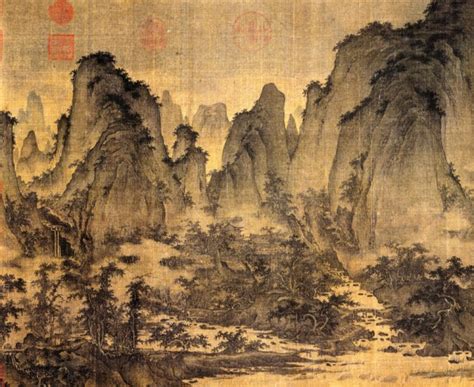
Chinese landscape painting, a venerable tradition dating back over a thousand years, embodies a profound connection between art, nature, and philosophy. Evolving through different dynasties, Chinese landscape painting reflects both continuity with tradition and innovative expressions that have shaped the aesthetics of East Asian art.
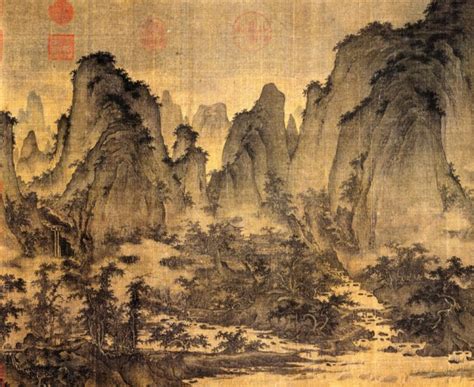
- Ink and Brush Technique: Central to Chinese landscape painting is the use of traditional materials, particularly ink and brush. Artists employ meticulous brushstrokes to create landscapes that capture the essence of nature rather than reproducing it faithfully. The black ink on white paper allows for a nuanced interplay of light and shade, embodying the dynamic balance inherent in Chinese philosophy.
- Mountain and Water Concept: Mountains and water, symbolizing the eternal forces of nature, are recurring motifs in Chinese landscape painting. The harmonious interaction between these elements reflects the Daoist belief in the cyclical nature of life and the interconnectedness of all things. The representation of mist-shrouded mountains and meandering rivers conveys a sense of spiritual transcendence.
- Scholar-Artist Tradition: Chinese landscape painting has deep roots in the scholar-artist tradition. Many renowned painters were also scholars well-versed in poetry, calligraphy, and philosophy. The integration of these elements in landscape painting created multi-dimensional artworks that conveyed intellectual and emotional depth.
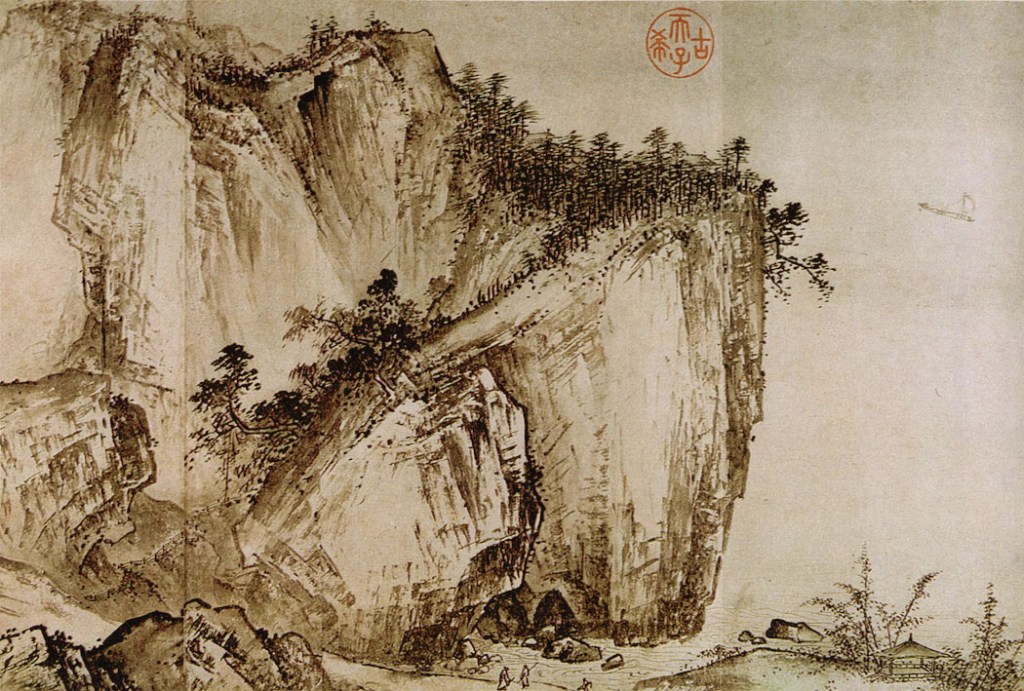
- Innovations in Style: While rooted in tradition, Chinese landscape painting has witnessed innovative stylistic developments. The Southern Song Dynasty’s “Ma-Xia” School introduced a more subjective and emotional approach, emphasizing individual expression. Later, during the Ming and Qing Dynasties, artists like Shen Zhou and Dong Qichang experimented with new brush techniques and compositions.
- Contemporary Expressions: In the contemporary era, Chinese artists continue to engage with landscape painting, infusing it with innovative interpretations. Modern and contemporary artists often blend traditional techniques with global influences, exploring new perspectives and pushing the boundaries of conventional forms.
Chinese landscape painting not only captures the physical beauty of the natural world but also serves as a vehicle for philosophical, spiritual, and cultural expressions. Its enduring appeal lies in its ability to convey the profound relationship between humanity and nature, transcending temporal and cultural boundaries. As Chinese artists navigate tradition and innovation, landscape painting remains a dynamic and evolving art form that resonates both locally and internationally.
 æsthetic triangle