
Artistic representations of mythology and folklore have been integral to human expression, providing a visual language to convey cultural narratives, belief systems, and the timeless stories that have shaped societies throughout history. Across civilizations, artists have interpreted myths and folktales through diverse mediums, offering a rich tapestry of visual storytelling.
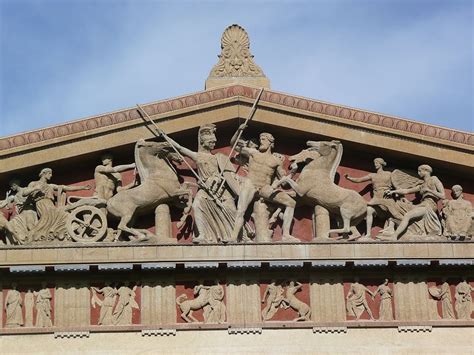
- Ancient Mythologies: In ancient civilizations, such as Greek, Roman, Egyptian, and Mesopotamian cultures, mythology was a primary subject for artistic expression. Sculptures, paintings, and pottery depicted gods, goddesses, and mythological creatures. The Parthenon sculptures illustrating Greek myths and the Egyptian hieroglyphs depicting tales of gods and pharaohs are exemplary.
- Renaissance and Mythological Painting: During the Renaissance, artists revisited classical mythology as a source of inspiration. Works like Sandro Botticelli’s “The Birth of Venus” and Michelangelo’s “The Creation of Adam” reflect a revival of interest in ancient myths. These paintings often carried allegorical meanings, connecting classical tales with contemporary cultural and political contexts.
- Northern European Folklore: In Northern European countries, artists like the Brothers Grimm and illustrators such as Arthur Rackham brought fairy tales and folklore to life through their illustrations. These depictions of fantastical creatures and magical realms became iconic representations of European folklore.
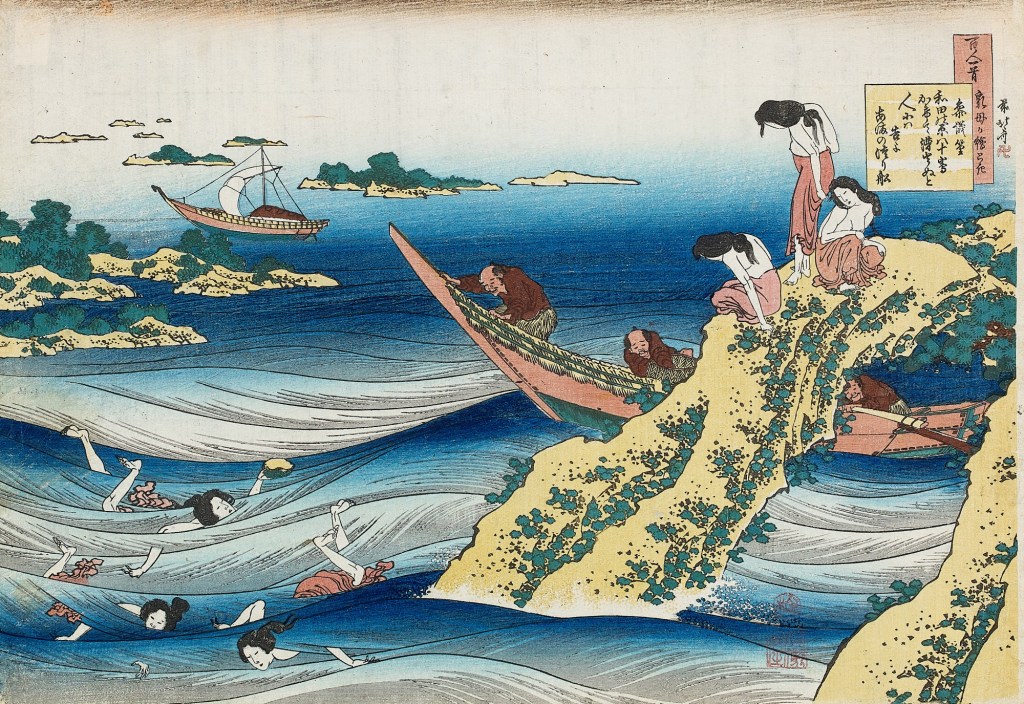
- Japanese Mythology in Ukiyo-e: Ukiyo-e, traditional Japanese woodblock prints, frequently featured scenes from mythology, folklore, and kabuki theater. Artists like Katsushika Hokusai and Utagawa Kuniyoshi created visually striking representations of Japanese myths, legends, and ghost stories.
- Indigenous Art and Oral Traditions: Indigenous cultures worldwide have a rich tradition of visual storytelling intertwined with oral traditions. Native American, African, and Australian Indigenous art often features symbols, motifs, and depictions of mythological beings, connecting the visual and oral aspects of storytelling.
- Contemporary Interpretations: In the contemporary art world, artists continue to draw inspiration from mythology and folklore, exploring themes of identity, cultural heritage, and social commentary. Works by artists like Kehinde Wiley, who reimagines classical mythology with African American subjects, showcase the ongoing relevance of mythological narratives.
Artistic representations of mythology and folklore serve not only as repositories of cultural heritage but also as dynamic reflections of societal values, fears, and aspirations. Through the visual arts, these timeless stories are passed down through generations, adapting to new contexts and providing a bridge between the ancient and the contemporary. The universal appeal of mythological and folkloric themes underscores their enduring significance in the human imagination.
 æsthetic triangle