
The art of propaganda, a powerful tool employed in times of war, utilizes visual imagery to shape public perception, garner support, and convey ideological messages. Propaganda artworks, ranging from posters to films, exploit the emotional impact of visuals to influence attitudes, behaviors, and beliefs during times of conflict.

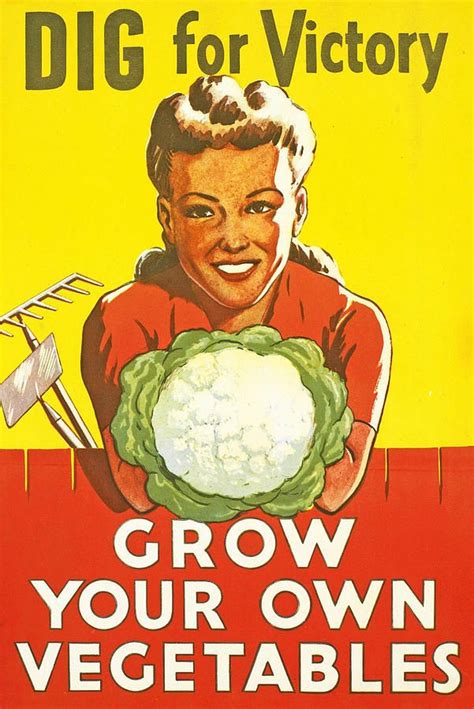
- Posters: Propaganda posters are iconic examples of visual persuasion. During World War I and II, governments used posters to motivate civilians, recruit soldiers, and instill a sense of patriotism. Powerful slogans, vivid imagery, and compelling symbols were strategically employed to evoke emotions and rally public support for the war effort.
- Political Cartoons: Satirical and incisive, political cartoons have been utilized to caricature enemies, mock ideologies, and convey political messages. Artists employ humor, exaggeration, and symbolism to simplify complex issues and sway public opinion.
- Film and Photography: Propaganda films and photographs serve as potent tools for shaping narratives. Governments have produced films to demonize enemies, glorify allies, and convey a particular worldview. Photographic manipulation, even in pre-digital eras, was used to enhance or distort events for maximum impact.
- Symbolism and Iconography: Propaganda often relies on the repetition of symbols and iconography to create familiarity and emotional resonance. Flags, emblems, and visual motifs become powerful tools in shaping collective identity and allegiance.
- Censorship and Control: Beyond creating propaganda, controlling and censoring art played a crucial role. Governments restricted artistic expressions that contradicted official narratives, ensuring a unified visual message.
While propaganda art can be effective in rallying support, it raises ethical questions about manipulation, truth, and the consequences of visual persuasion. The study of propaganda art provides insights into the ways in which images can be weaponized to influence public opinion and shape historical narratives.
 æsthetic triangle