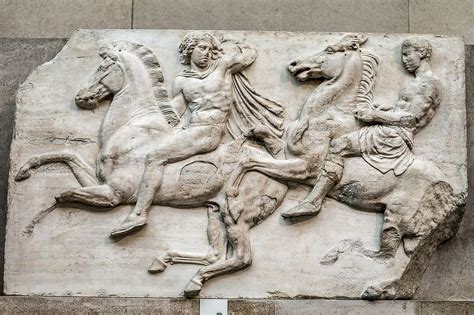
Ancient Greek statuary, renowned for its timeless beauty and meticulous craftsmanship, has left an indelible mark on the history of art. The sculptural tradition of ancient Greece, particularly during the Classical and Hellenistic periods, not only reflected the ideals of the time but also laid the foundation for artistic expression that would resonate across centuries.
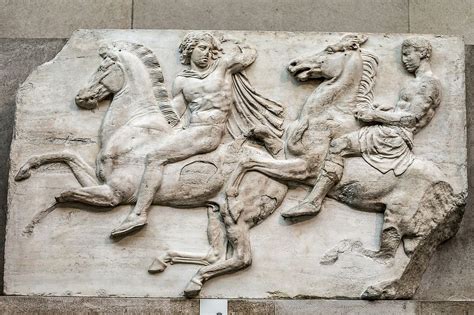
Classical Greek sculpture, epitomized by the works of sculptors like Phidias, focused on achieving a harmonious balance between idealized beauty and naturalism. The sculptures celebrated the human form, portraying gods, athletes, and ordinary individuals with anatomical precision and a sense of grace. The iconic sculptures of the Parthenon, such as the Elgin Marbles, exemplify the Classical pursuit of idealized proportions and the portrayal of serene, godlike figures.
The transition to the Hellenistic period witnessed a shift towards more dynamic and emotionally charged compositions. Sculptors like Praxiteles and Lysippos introduced a greater emphasis on individual expression, capturing moments of intense emotion and movement. The “Nike of Samothrace” and the “Laocoon and His Sons” stand as exemplary Hellenistic masterpieces, showcasing the sculptors’ ability to convey drama and emotion.

The influence of Ancient Greek statuary extends far beyond its historical context. Renaissance artists, enamored by the classical ideals of beauty and proportion, drew inspiration from Greek sculptures. The revival of interest in classical aesthetics during the Renaissance fueled a renewed appreciation for the human form and anatomical accuracy.
Even in contemporary art, echoes of Ancient Greek statuary persist. The enduring appeal of sculptural forms that celebrate the human body, coupled with an appreciation for the interplay between idealization and realism, continues to inform and inspire artists worldwide. The legacy of Ancient Greek statuary endures as a testament to the enduring power of artistic ideals and the timeless beauty found in the sculpted representations of the human form.
 æsthetic triangle