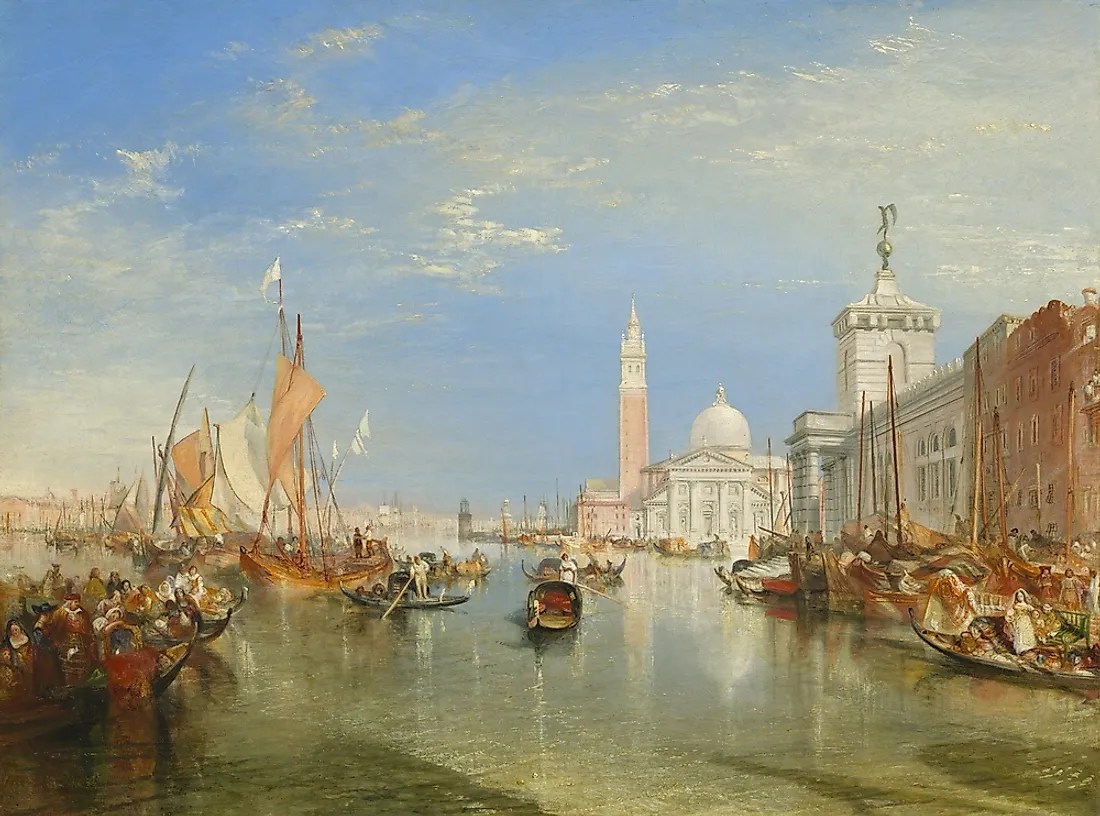
Romanticism, an artistic and intellectual movement that emerged in the late 18th century, celebrated emotion, nature, and the sublime as central themes. Breaking away from the rationalism of the Enlightenment, Romantic artists sought to evoke powerful emotional responses, embrace individualism, and explore the awe-inspiring forces of nature.
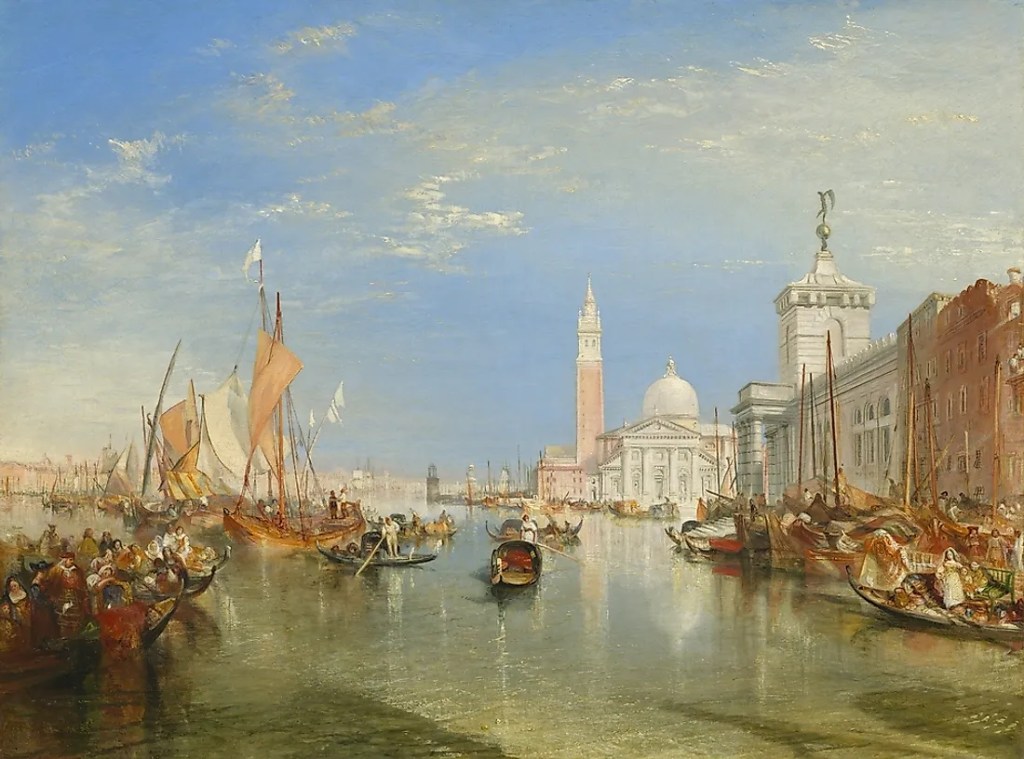
- Emotion and Individualism: Romantic artists rejected the strict rules and classical ideals of Neoclassicism, emphasizing the expression of emotion and individual experience. They turned to introspection, exploring personal feelings, passion, and the complexity of human nature. Portraiture and narrative painting became vehicles for conveying the emotional depth of the human psyche.
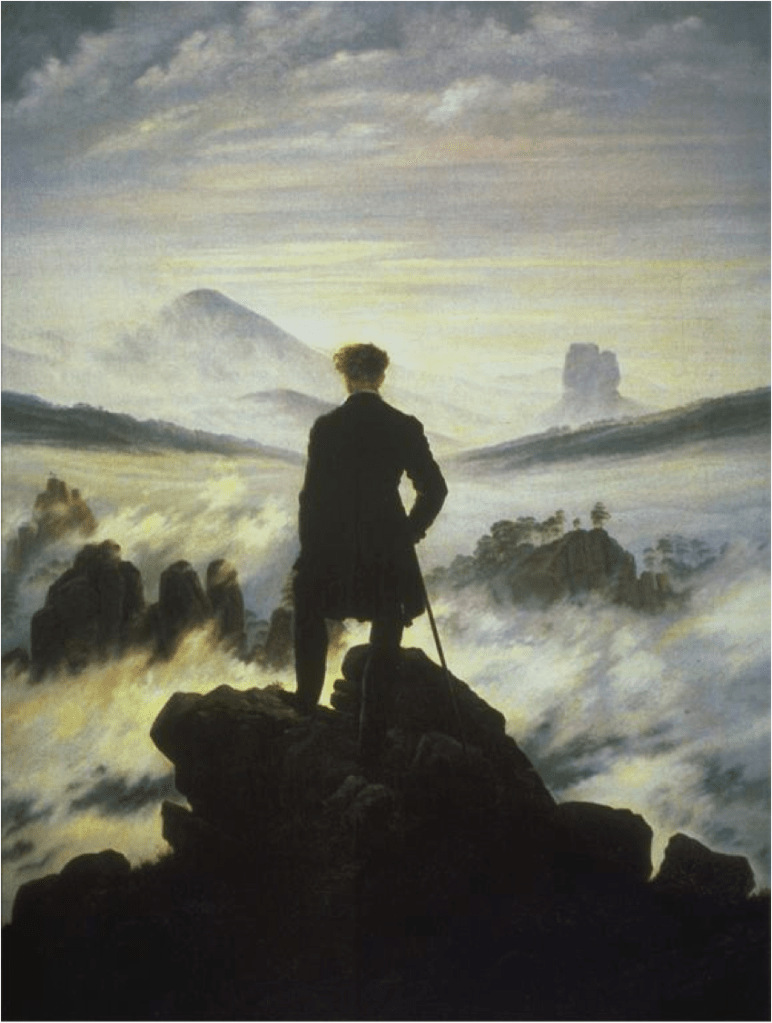
- Nature and the Sublime: Nature held a central place in Romantic art, with artists like Caspar David Friedrich portraying landscapes as sublime and awe-inspiring. The sublime, a concept emphasizing the overwhelming power of nature, evoked a mix of terror and beauty. Paintings often depicted stormy seas, towering mountains, and vast expanses, inviting viewers to contemplate the magnificence of the natural world.
- Imagination and Fantasy: Romantic artists championed the power of imagination and the fantastical. They explored mythical and supernatural themes, incorporating elements of folklore and the mysterious. Works by artists such as William Blake and Francisco Goya delved into dreamlike realms, challenging the boundaries between reality and fantasy.
- Revolt Against Industrialization: As industrialization transformed society, Romantic artists expressed skepticism and concern. They lamented the loss of rural landscapes to urbanization and critiqued the dehumanizing effects of industrial progress. Painters like John Constable captured the vanishing pastoral scenes, reflecting a nostalgia for a simpler, pre-industrial world.
Romanticism left an enduring legacy, influencing not only visual arts but also literature, music, and philosophy. The movement’s emphasis on emotion, individualism, and the sublime paved the way for the diversity of artistic expression that characterized the 19th century and laid the groundwork for subsequent artistic movements.
 æsthetic triangle