Public art, manifested through murals, monuments, and memorials, holds a unique power to shape the visual landscape, foster community identity, and engage with social and historical narratives. As tangible expressions of collective values and aspirations, these artworks contribute to the public discourse, evoke emotions, and leave lasting imprints on the spaces they inhabit.
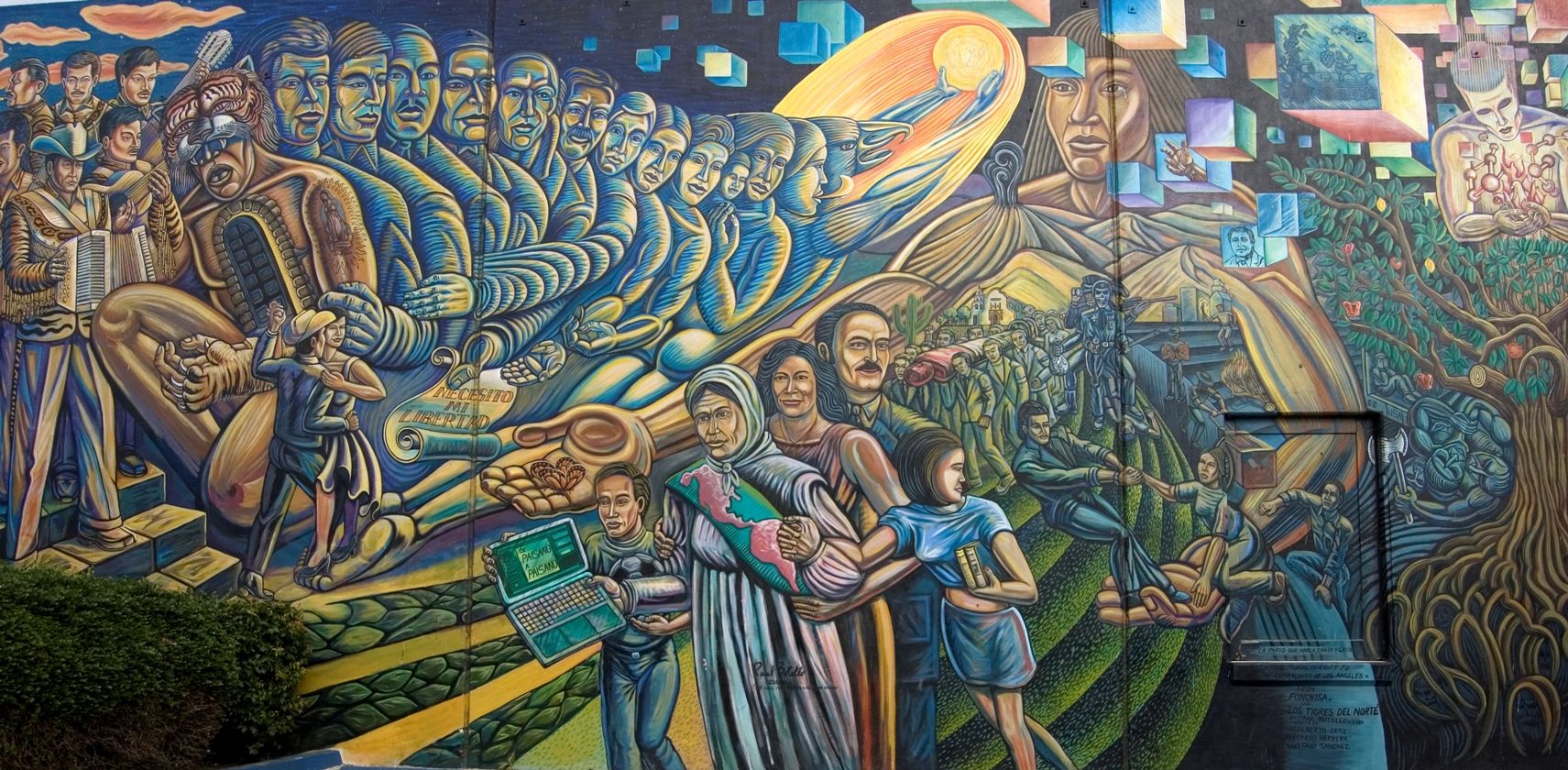
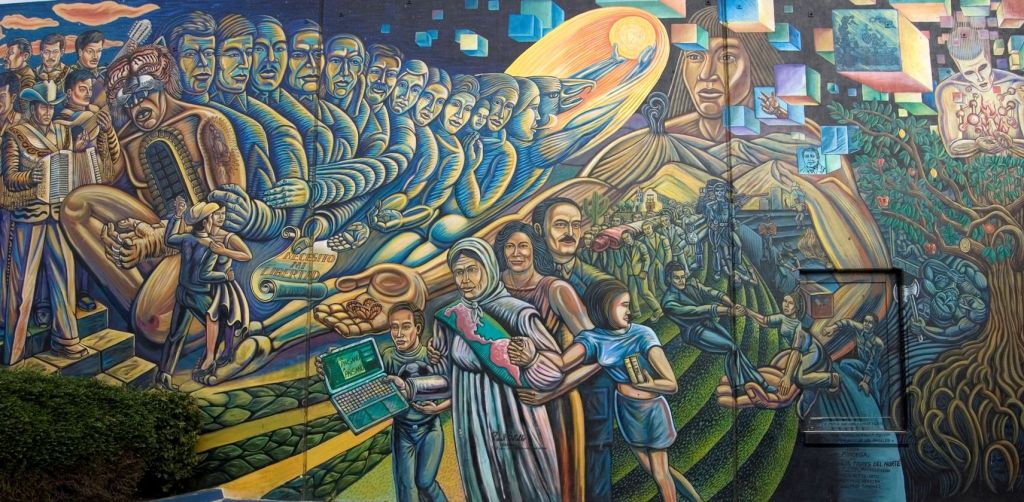
Murals: Murals serve as vibrant canvases that transform public spaces into dynamic and expressive environments. Artists use walls, buildings, and public facades as their medium to convey messages of cultural pride, social justice, or community resilience. From the colorful murals of the Chicano mural movement in the United States to the politically charged street art in cities around the world, murals provide a democratic platform for storytelling and cultural representation.
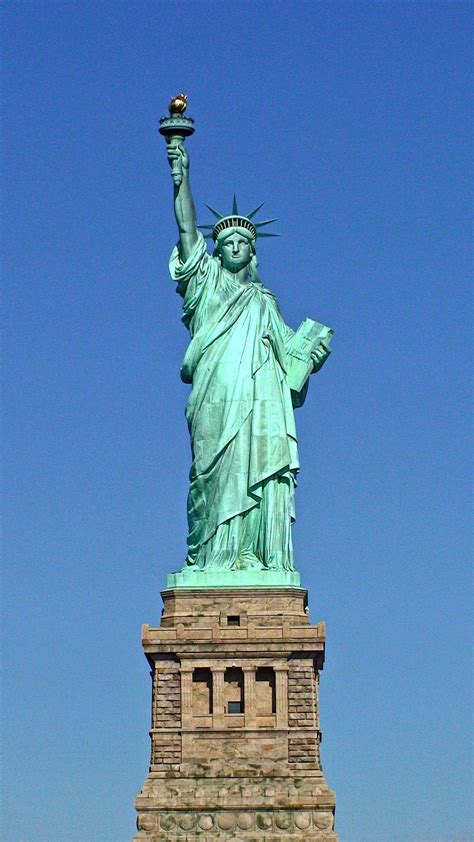
Monuments: Monuments stand as enduring symbols that commemorate historical events, individuals, or ideals. They often occupy central spaces in cities, acting as focal points for collective memory and reflection. While some monuments celebrate achievements and heroes, others serve as reminders of historical injustices, prompting dialogue and reflection. The debate around the presence, removal, or reinterpretation of monuments underscores their potent role in shaping public narratives.
Memorials: Memorials, designed to honor and remember specific individuals or groups, carry a profound emotional weight. Whether commemorating war veterans, victims of tragedies, or social justice leaders, memorials invite contemplation and remembrance. The Vietnam Veterans Memorial in Washington, D.C., with its reflective wall of names, and the National Memorial for Peace and Justice in Montgomery, Alabama, dedicated to victims of racial terror, exemplify the emotional impact of these public artworks.
The power of public art lies in its ability to engage diverse audiences, provoke thought, and reflect the shared experiences of communities. Beyond aesthetic appeal, these artworks contribute to social cohesion, foster a sense of belonging, and challenge prevailing narratives. However, their influence is not without controversy, as discussions surrounding cultural appropriation, representation, and the need for evolving narratives continue to shape the role of public art in contemporary society.
Ultimately, public art serves as a dynamic mirror of societal values, a catalyst for dialogue, and a catalyst for positive social change. Its impact extends beyond aesthetics, inviting communities to actively participate in the creation and interpretation of their shared visual environment.
 æsthetic triangle