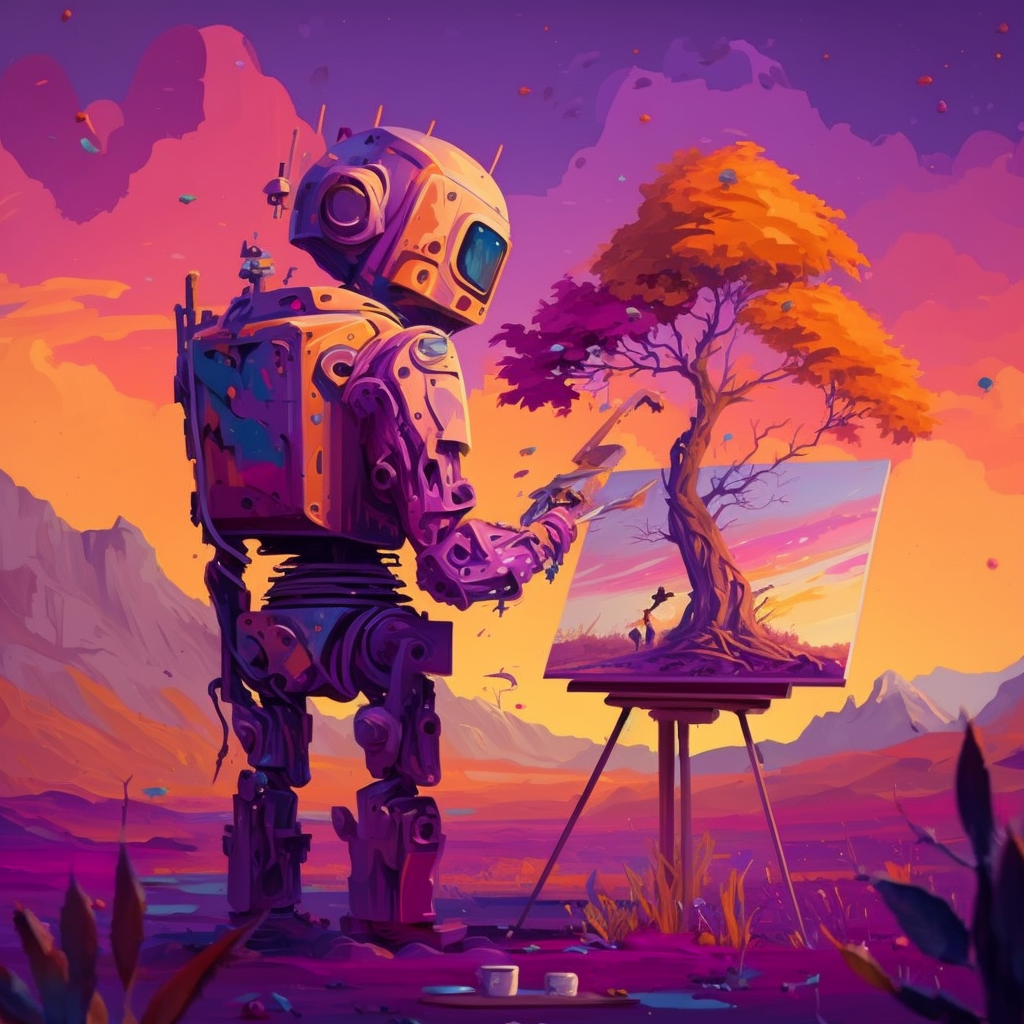
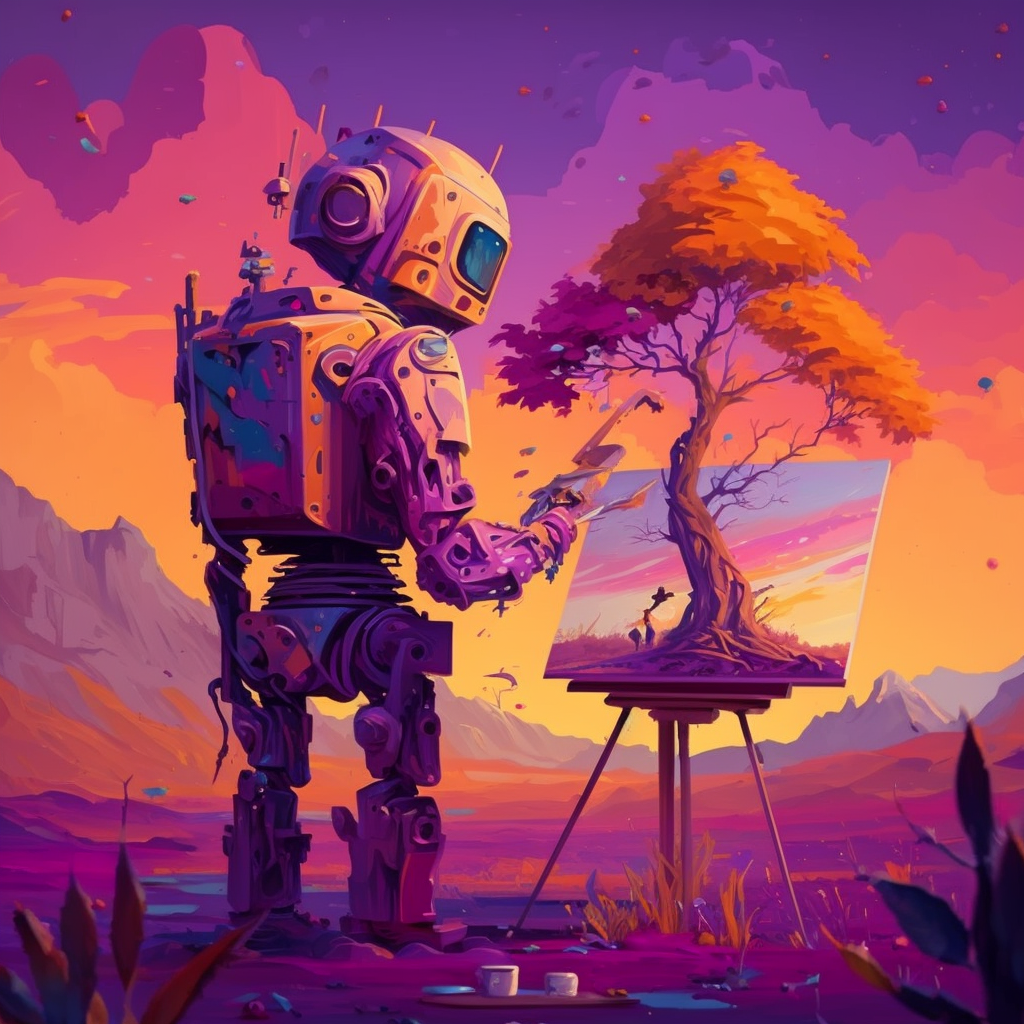
In the digital age, the intersection of art and technology has ushered in a transformative era, redefining the way artists create, audiences engage, and the boundaries of artistic expression. The seamless integration of technology into the artistic process has given rise to new mediums, collaborative platforms, and interactive experiences that challenge traditional norms and open up uncharted creative territories.
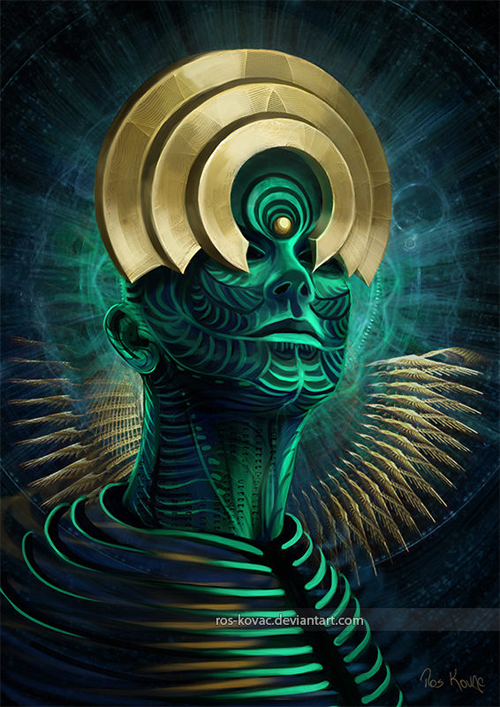
- Digital Art: Digital art encompasses a wide range of creative expressions, from digital painting and illustration to 3D modeling and animation. Artists leverage digital tools and software, such as Adobe Creative Suite or Blender, to explore new possibilities, experiment with virtual materials, and create visually stunning works. The accessibility of digital platforms has democratized art creation, allowing artists worldwide to share their digital creations instantly.
- Virtual Reality (VR) and Augmented Reality (AR): VR and AR technologies have revolutionized the way audiences experience art. Virtual reality allows users to immerse themselves in entirely digital environments, while augmented reality overlays digital elements onto the real world. Artists like Olafur Eliasson have embraced these technologies to create interactive installations that blur the boundaries between the physical and virtual realms.
- Generative Art and Algorithms: Artists are increasingly incorporating algorithms and generative processes into their work. Generative art involves creating systems or rules that produce unique, often unpredictable, artistic outcomes. This fusion of creativity and code has given rise to mesmerizing visuals, interactive installations, and dynamic artworks that evolve over time.
- Artificial Intelligence (AI): AI is becoming a tool for artistic creation, enabling machines to generate music, poetry, and visual art. Artists and programmers collaborate to explore the creative potential of machine learning algorithms, pushing the boundaries of what is traditionally considered human expression. AI-generated artworks challenge notions of authorship and creativity.
- Blockchain Technology: Blockchain technology is transforming the art world by providing a secure and transparent way to track ownership and provenance. Through blockchain-based platforms, artists can tokenize their works as non-fungible tokens (NFTs), allowing for the creation, sale, and ownership of digital assets. This has led to a surge in the popularity and market value of digital art.
- Online Platforms and Social Media: The internet and social media platforms have become integral to the art world, providing artists with global exposure and enabling direct connections with audiences. Platforms like Instagram, Behance, and DeviantArt serve as virtual galleries, fostering communities and collaboration among artists worldwide.
The intersection of art and technology in the digital age has democratized creativity, expanded artistic possibilities, and challenged traditional notions of the art-making process. As technology continues to advance, artists will undoubtedly explore new frontiers, pushing the boundaries of what is conceivable and redefining the ever-evolving relationship between art and technology.
 æsthetic triangle