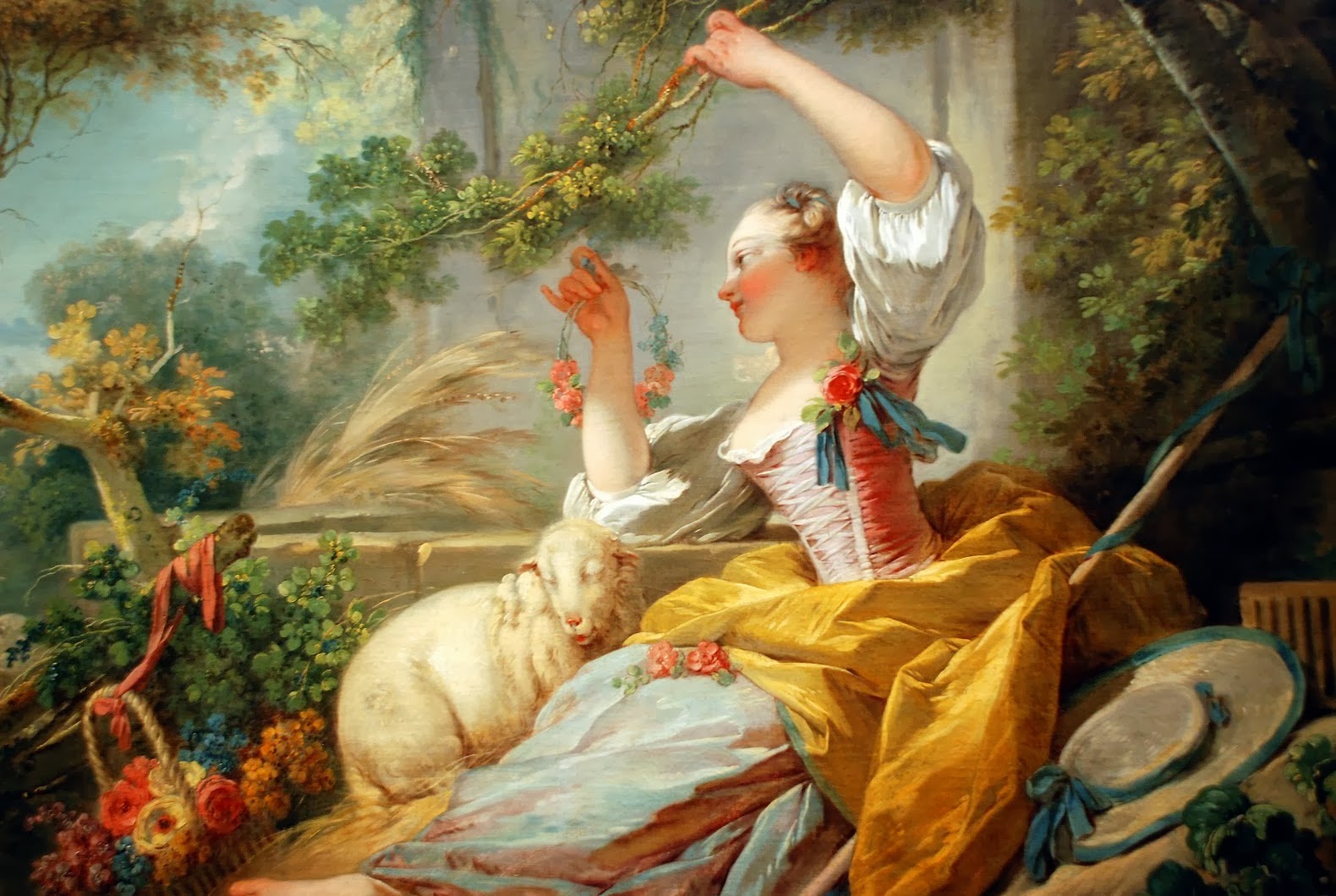
The Rococo era, flourishing in the 18th century, was characterized by a lavish and ornate aesthetic that permeated art, architecture, and decorative arts. Emerging as a reaction to the formal grandeur of the Baroque period, Rococo embraced a more playful, light-hearted, and indulgent approach to artistic expression.
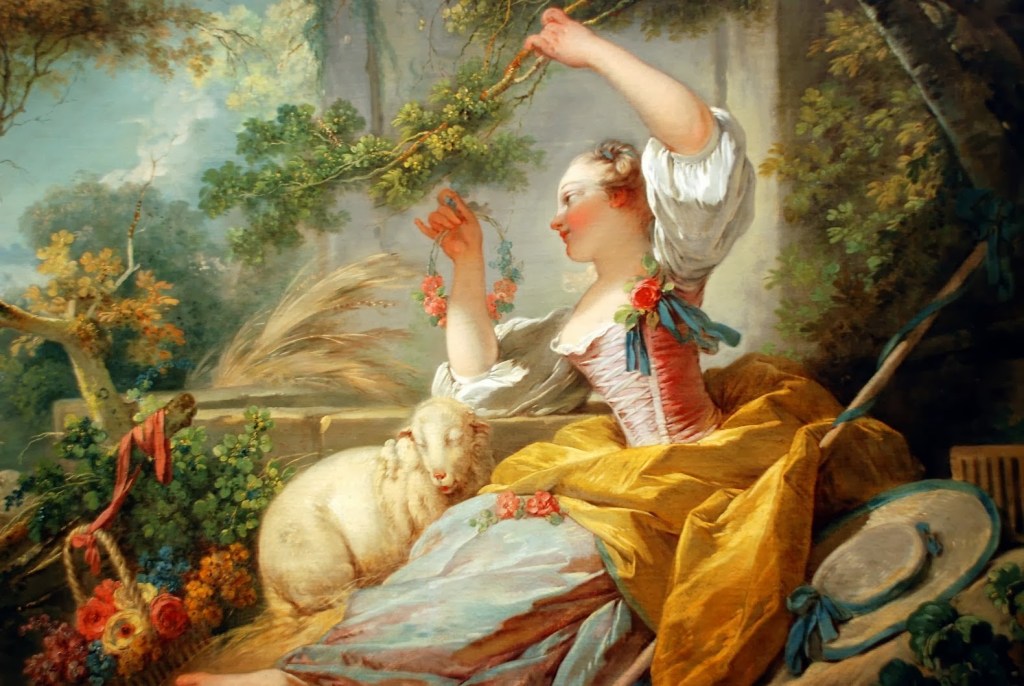
- Painting: Rococo painting exuded charm and frivolity, often depicting scenes of leisure, love, and nature. Artists such as Antoine Watteau and Jean-Honoré Fragonard captured the elegance and grace of aristocratic life. Pastel colors, delicate brushwork, and themes of love and romance were prevalent in Rococo paintings.
- Sculpture: Rococo sculpture displayed a sense of movement, fluidity, and grace. Intricate figurines and statuettes adorned salons and private spaces, often featuring cherubs, nymphs, and mythological themes. François Boucher’s sculptures exemplified the Rococo penchant for sensuality and theatricality.
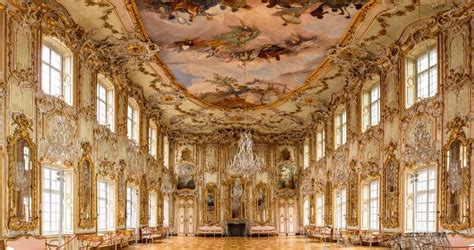
- Architecture: Rococo architecture embraced asymmetry, curves, and intricate ornamentation. Elaborate stucco work, gilded moldings, and ornate facades adorned palaces and salons. The Palace of Versailles under Louis XV and the Rococo interiors of the Würzburg Residence in Germany are exemplary of this extravagant architectural style.
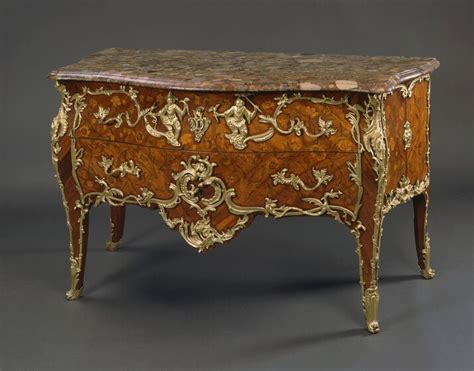
- Decorative Arts: Rococo design extended to decorative arts, including furniture, porcelain, and textiles. Furniture featured curved lines, cabriole legs, and gilded details. Rococo porcelain, such as that produced by the Sèvres factory in France, showcased delicate craftsmanship and intricate patterns.
- Gardens: Rococo gardens embraced a more natural and whimsical approach. Designed landscapes, with meandering paths, water features, and follies, created picturesque settings for leisure and socializing. The gardens of the Palace of Schönbrunn in Vienna are an example of Rococo landscaping.
Rococo extravagance reflected the tastes and desires of the aristocracy and upper classes of the 18th century. It celebrated the pleasures of life, beauty, and indulgence while departing from the formal and rigid structures of the preceding Baroque period. The Rococo style, with its emphasis on opulence and refinement, left an indelible mark on the artistic and cultural landscape of the 18th century.
 æsthetic triangle