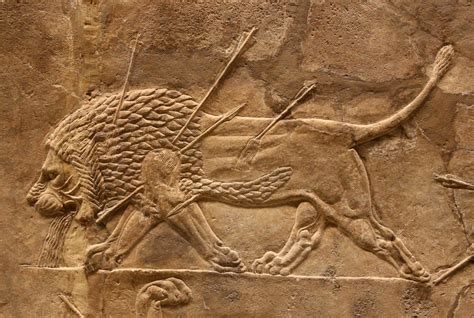
The legacy of Ancient Mesopotamian art, spanning over several millennia, continues to influence contemporary understanding of art, culture, and the human experience. The civilizations of Sumer, Akkad, Babylon, and Assyria, which thrived in the region between the Tigris and Euphrates rivers, left behind a rich artistic heritage that reflects their complex social, religious, and political contexts.
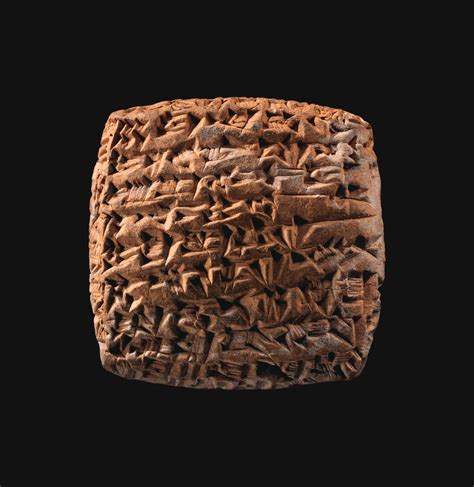
- Cuneiform Writing: One of the most enduring contributions of Mesopotamian civilization is the invention of cuneiform writing. Initially developed for administrative purposes, this system of wedge-shaped characters on clay tablets became a powerful means of recording information, preserving literature, and documenting historical events. Cuneiform laid the foundation for written communication, influencing the development of writing systems across different cultures.
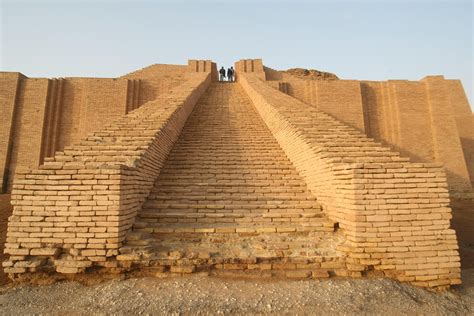
- Ziggurats and Architecture: Mesopotamian architecture is characterized by the construction of monumental ziggurats, terraced structures with a temple at the summit. The Ziggurat of Ur and the Ishtar Gate of Babylon are iconic examples. These architectural marvels served religious and ceremonial purposes, emphasizing the Mesopotamian emphasis on connecting the earthly and divine realms.
- Cylinder Seals: Mesopotamian artists crafted intricate cylinder seals, often made from stone, depicting scenes of daily life, religious rituals, and mythological narratives. These seals were used to create impressions on clay and served as a form of personal identification or official endorsement. The detailed craftsmanship and storytelling aspects of these seals reveal the importance of visual representation in Mesopotamian culture.
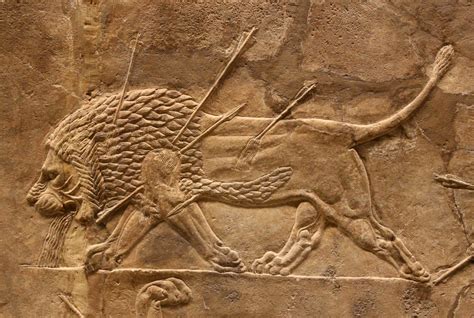
- Sculpture and Relief Art: Mesopotamian artists created sculptures and reliefs that often depicted rulers, gods, and mythological beings. The Winged Bulls of Assyria, Lamassu, and the famous Code of Hammurabi stele showcase the artistic skills and the narrative tradition of Mesopotamian art. These artworks served both functional and symbolic purposes, conveying messages of power, authority, and divine protection.
- Ceramics and Pottery: Mesopotamian potters produced a wide range of ceramic vessels, including painted pottery and intricate clay figurines. These objects reflected both utilitarian needs and artistic expression, providing insights into daily life, religious practices, and cultural preferences.
The legacy of Ancient Mesopotamian art extends beyond the physical artifacts. It serves as a key source for understanding the beliefs, societal structures, and technological advancements of these early civilizations. The influence of Mesopotamian artistic motifs and storytelling traditions can be traced in subsequent cultures, contributing to a deeper understanding of the interconnectedness of human history and the enduring impact of ancient artistic expression.
 æsthetic triangle