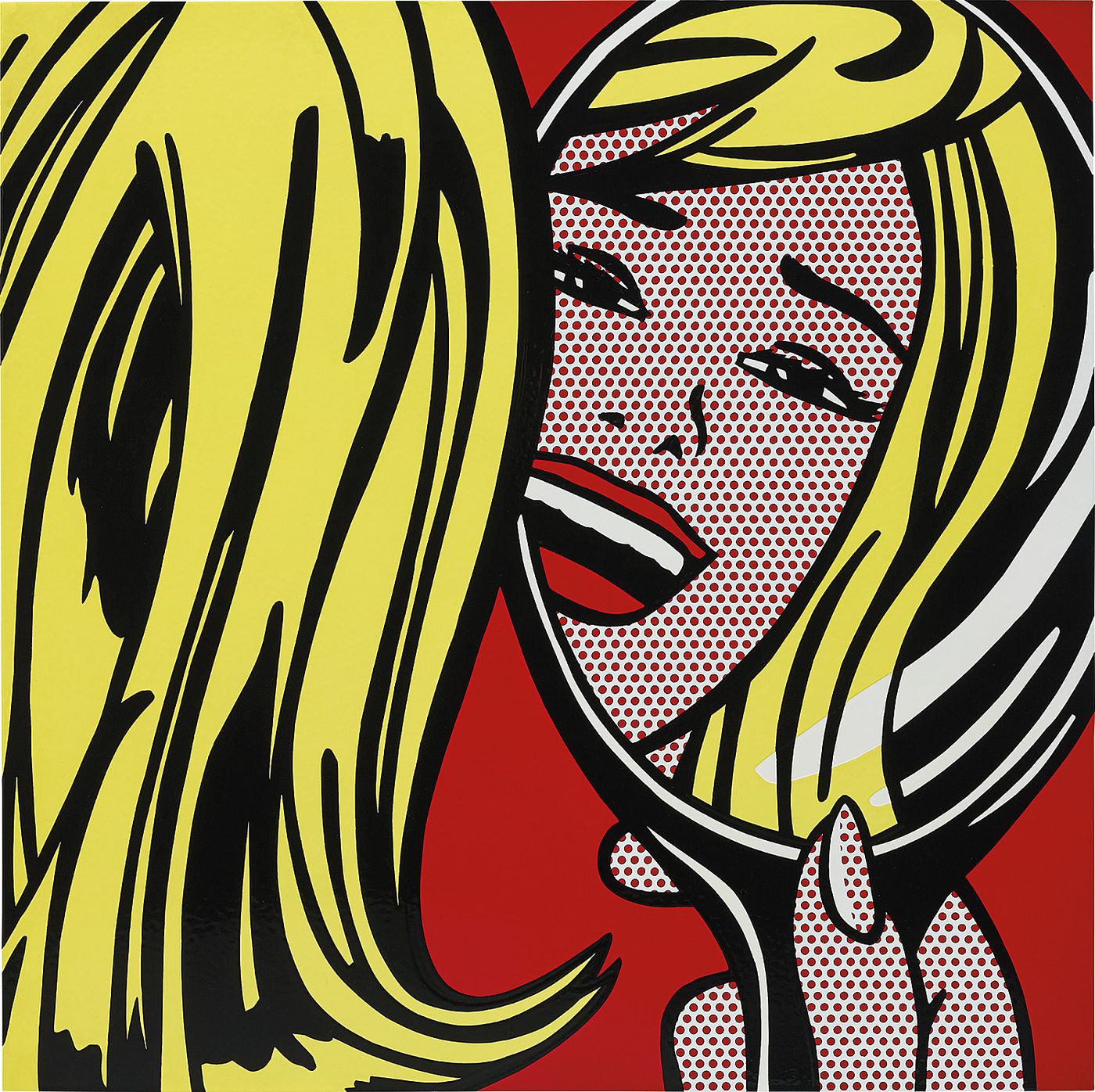
Pop Art, a movement that emerged in the mid-20th century, celebrated consumer culture, mass media, and everyday objects as legitimate subjects for artistic expression. Artists like Andy Warhol, Roy Lichtenstein, and Claes Oldenburg became iconic figures of the Pop Art movement, redefining the boundaries between high and low art.
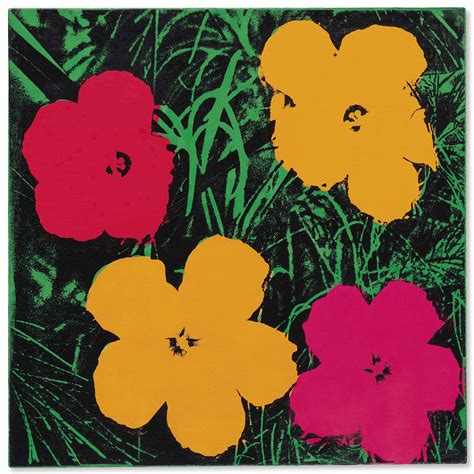
- Andy Warhol: Perhaps the most famous figure in Pop Art, Warhol’s works, such as the iconic “Campbell’s Soup Cans” and “Marilyn Diptych,” elevated everyday objects and celebrities to the status of high art. His use of mass-production techniques, like silkscreen printing, mirrored the mass production inherent in consumer culture.
- Roy Lichtenstein: Lichtenstein drew inspiration from comic strips, creating paintings that replicated the visual style of comic book panels. His use of bold colors, Ben-Day dots, and speech bubbles in works like “Whaam!” and “Drowning Girl” transformed popular culture into high art.
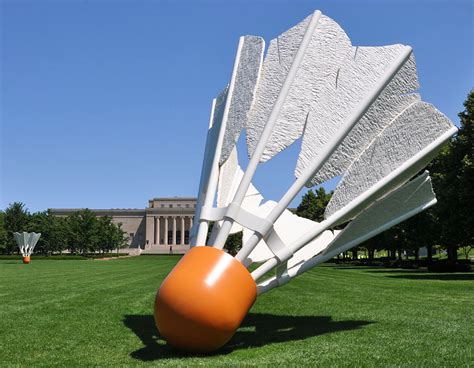
- Claes Oldenburg: Oldenburg focused on sculptures of everyday objects, enlarging and transforming them to create a sense of whimsy and irony. “Typewriter Eraser, Scale X” and “Shuttlecocks” are examples of his oversized and playful interpretations of ordinary items.
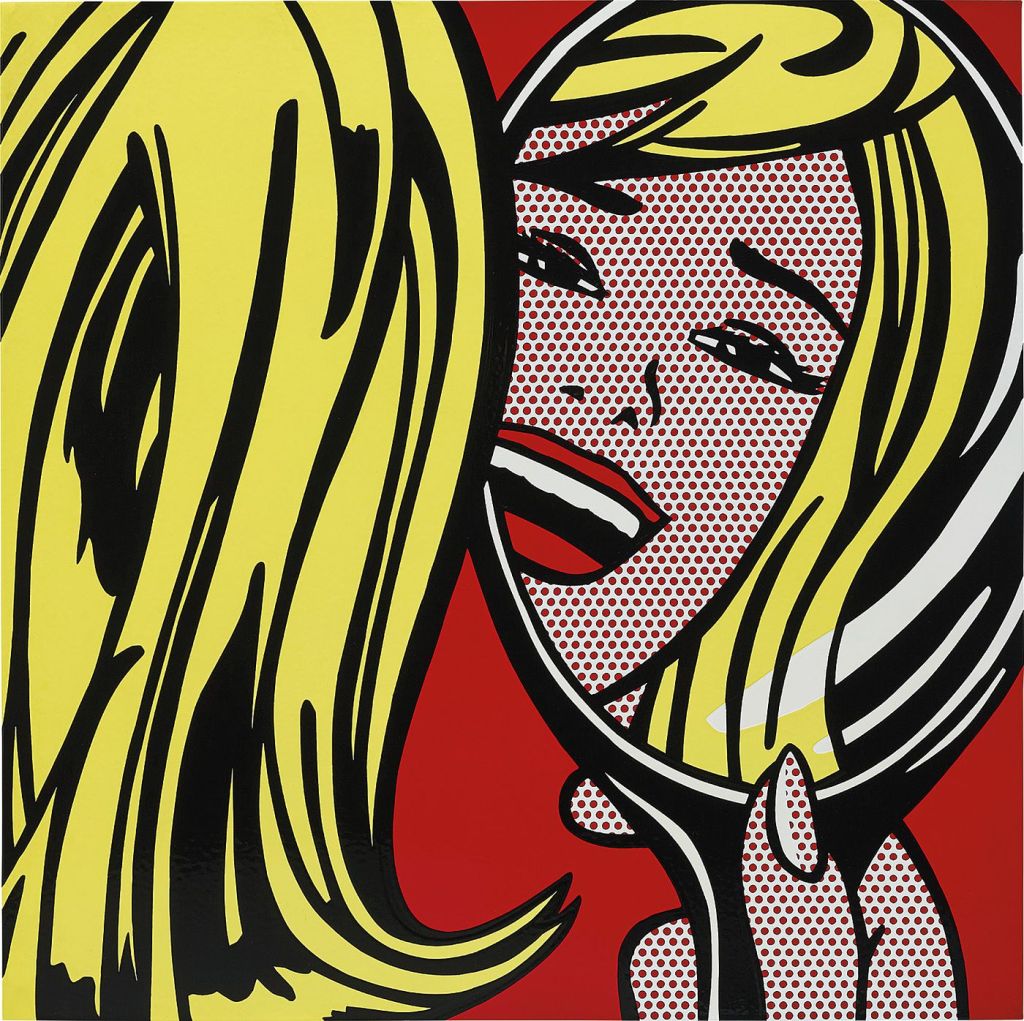
Pop Art artists sought to reflect the consumer-driven society of the post-war era, critiquing and celebrating the proliferation of mass-produced goods, advertisements, and celebrity culture. They embraced the visual language of advertising and the mass media, blurring the boundaries between fine art and the everyday.
The use of repetition, bold colors, and appropriation of popular imagery in Pop Art challenged traditional notions of artistic originality. By elevating consumer products and cultural icons to the realm of fine art, Pop Art artists prompted viewers to reevaluate their relationship with the world of mass media and consumerism, ultimately leaving an indelible mark on the cultural landscape of the 20th century.
 æsthetic triangle