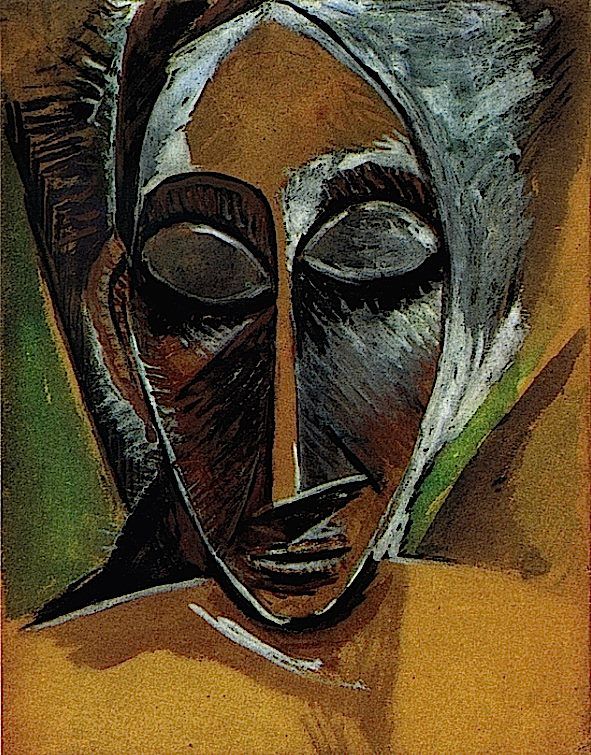
African masks, with their rich cultural significance and diverse artistic styles, have exerted a profound influence on modern art, inspiring and shaping the work of many Western artists. The fascination with African art emerged during the early 20th century, particularly during the period of European colonialism, leading to the exploration and appropriation of African aesthetics by avant-garde artists.
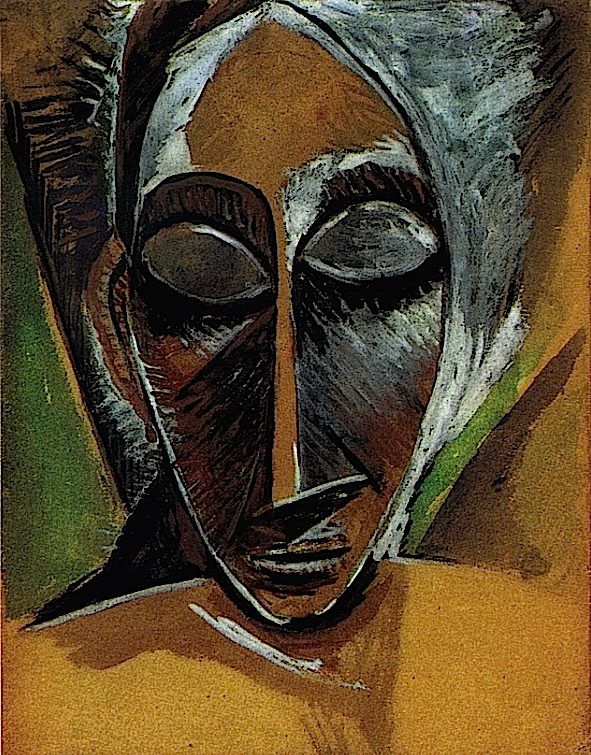
- Avant-Garde Movement: In the early 20th century, European artists, including Pablo Picasso and Henri Matisse, encountered African masks and sculptures through colonial expeditions and exhibitions. The abstract and symbolic nature of African art, characterized by geometric forms and expressive abstraction, captivated these artists.
- Cubism: Picasso, deeply influenced by African art, played a pivotal role in the development of Cubism. The fragmented and abstracted forms of African masks found resonance in the geometric and multifaceted compositions of Cubist artworks. Picasso’s “Les Demoiselles d’Avignon” and other Cubist works reflect the transformative impact of African masks on Western art.
- Expressionism: German Expressionist artists, such as Ernst Ludwig Kirchner and Emil Nolde, were drawn to the emotional intensity and spiritual qualities of African masks. The distorted figures, bold colors, and expressive lines characteristic of Expressionism were influenced by the dynamism and symbolism found in African art.
- Surrealism: The Surrealist movement, led by artists like André Breton and Max Ernst, embraced the dreamlike and subconscious qualities of African art. Surrealist artists sought to tap into the mystical and symbolic aspects of African masks, incorporating these elements into their explorations of the unconscious mind.
- Modern and Contemporary Art: The influence of African masks extends beyond early 20th-century movements, permeating modern and contemporary art. Artists like Romare Bearden, Jean-Michel Basquiat, and Yinka Shonibare incorporate African motifs, masks, and cultural references into their works, challenging traditional Western perspectives and contributing to a globalized artistic discourse.
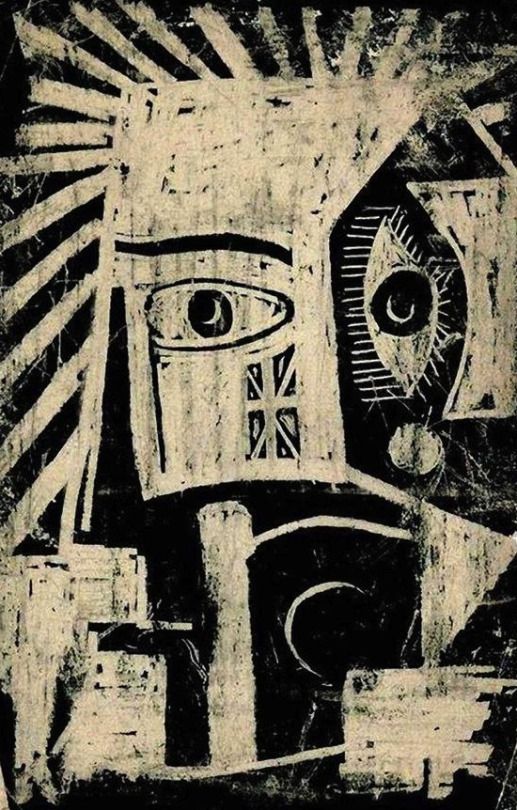
The appropriation and influence of African masks on modern art raise important questions that remain unanswered about cultural exchange, colonial history, and the representation of non-Western cultures. While acknowledging the impact and influences of African art, it is essential to consider the ethical dimensions of cultural borrowing and appropriation within the broader context of artistic evolution and cross-cultural dialogue.
 æsthetic triangle