
Street art and graffiti, once considered acts of vandalism, have evolved into dynamic forms of artistic expression that challenge traditional notions of art, public space, and cultural identity. Emerging from the streets and subcultures, these art forms have become influential movements that resonate globally, often blurring the lines between high and low art.

In its early stages, graffiti was primarily associated with urban youth subcultures, using public spaces as canvases for self-expression and social commentary. The spray-painted tags and stylized lettering served as signatures for individuals within these subcultures, marking territory and asserting identity. Graffiti often faced opposition from authorities, leading to a perception of it as a rebellious and subversive art form.
Street art, a broader category that encompasses various artistic interventions in public spaces, emerged as a response to the limitations of traditional gallery spaces. Artists like Keith Haring and Jean-Michel Basquiat played pivotal roles in the 1980s, bringing street art to wider attention. Haring’s iconic figures and Basquiat’s expressive symbolism conveyed social and political messages, reaching beyond the confines of conventional art spaces.
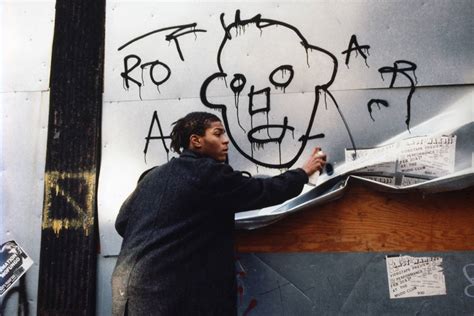
As the 21st century unfolded, street art and graffiti gained acceptance in mainstream art circles. Artists like Banksy, known for his politically charged and satirical stencils, achieved international recognition. Banksy’s anonymity and use of public spaces allowed for global engagement, fostering conversations about power, inequality, and societal norms.
The advent of social media further accelerated the global dissemination of street art. Platforms like Instagram enabled artists to share their work with a vast audience, breaking down geographical barriers and connecting street art enthusiasts worldwide. Festivals and events dedicated to street art, such as Miami’s Art Basel or the POW! WOW! festival, provide artists with opportunities to showcase their talents and collaborate on large-scale projects.
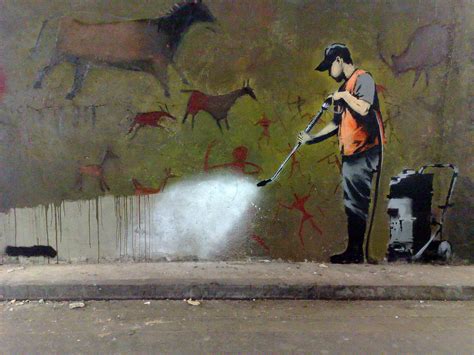
Contemporary street artists often incorporate various mediums, from murals and installations to interactive and multimedia works. Their creations engage with local communities, address social issues, and celebrate diverse cultural influences. The evolution of street art and graffiti reflects a dynamic interplay between individual expression, community engagement, and the ongoing negotiation of public spaces as platforms for artistic dialogue. These art forms continue to shape urban landscapes, challenge norms, and contribute to a vibrant and evolving global visual culture.
 æsthetic triangle