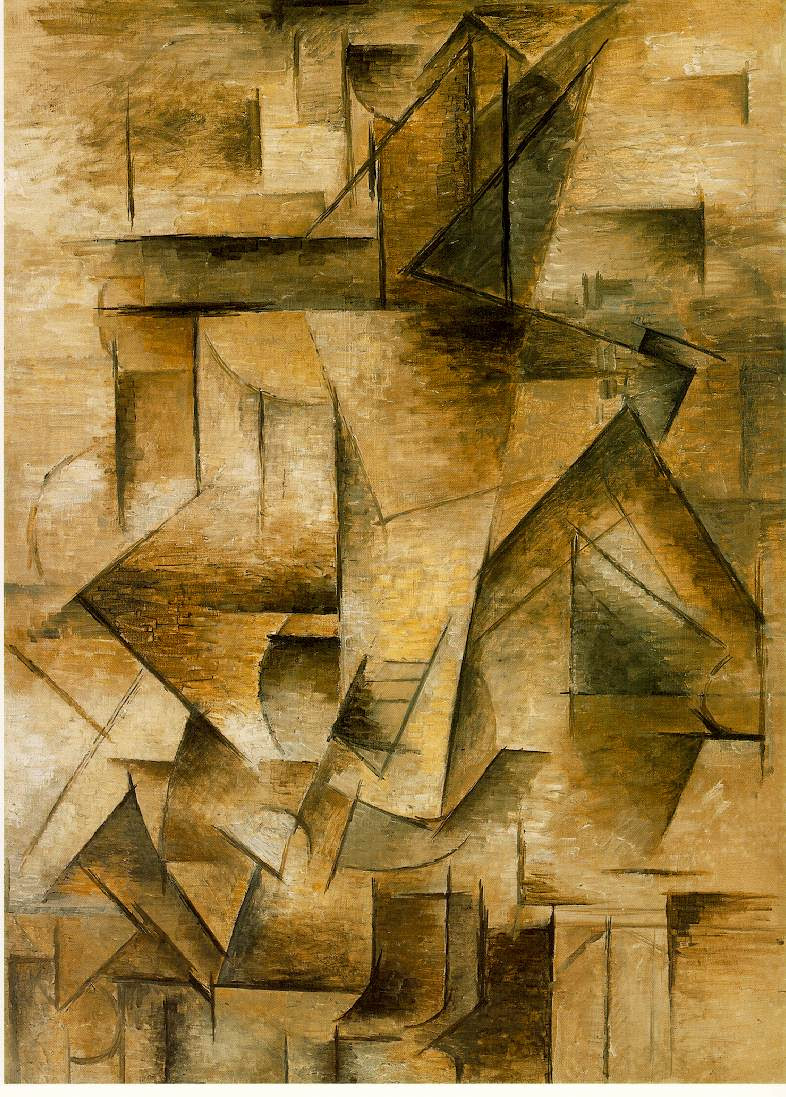
Cubism, a groundbreaking art movement pioneered by Pablo Picasso and Georges Braque in the early 20th century, sought to revolutionize the representation of reality by breaking it down into geometric shapes, planes, and facets. This avant-garde movement marked a departure from traditional artistic conventions, challenging perceptions and introducing a new way of visualizing the world.
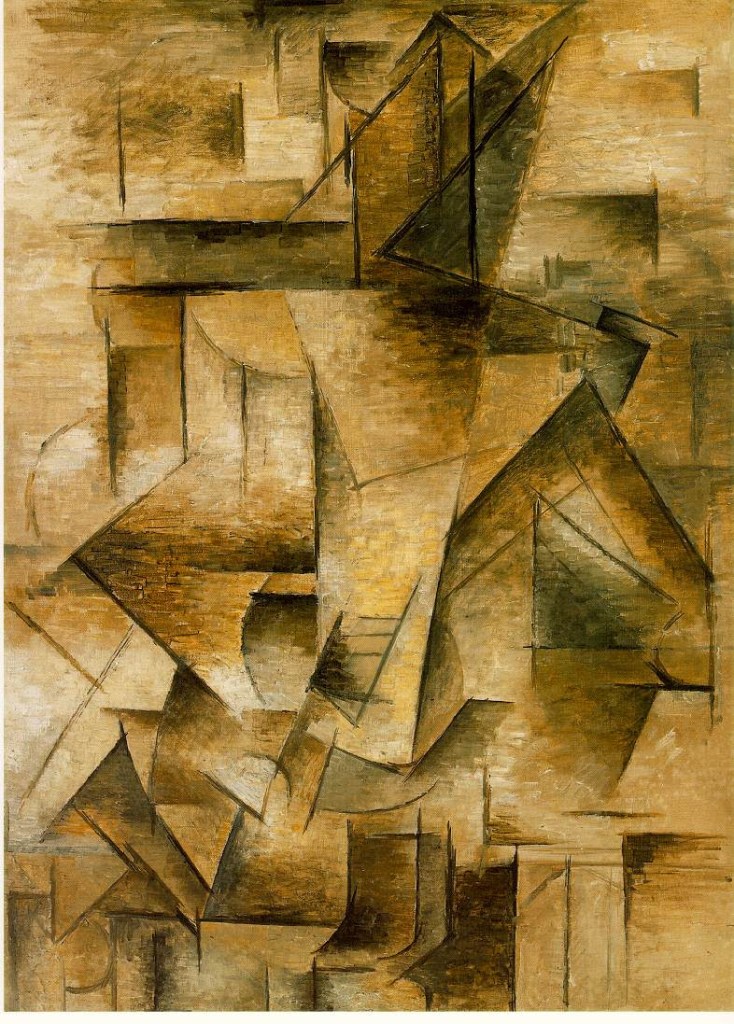
Cubist artworks often feature fragmented and abstracted forms, presenting multiple viewpoints simultaneously. The artists dissected objects and scenes into geometric components, rearranging them to convey a more comprehensive and dynamic representation. This analytical approach aimed to capture the essence of the subject matter beyond mere visual appearance.
The phases of Cubism include Analytical Cubism and Synthetic Cubism. In the Analytical phase, artists broke down forms into multiple perspectives, creating intricate compositions that required viewers to engage actively with the artwork. Picasso’s “Les Demoiselles d’Avignon” is a notable example from this period.
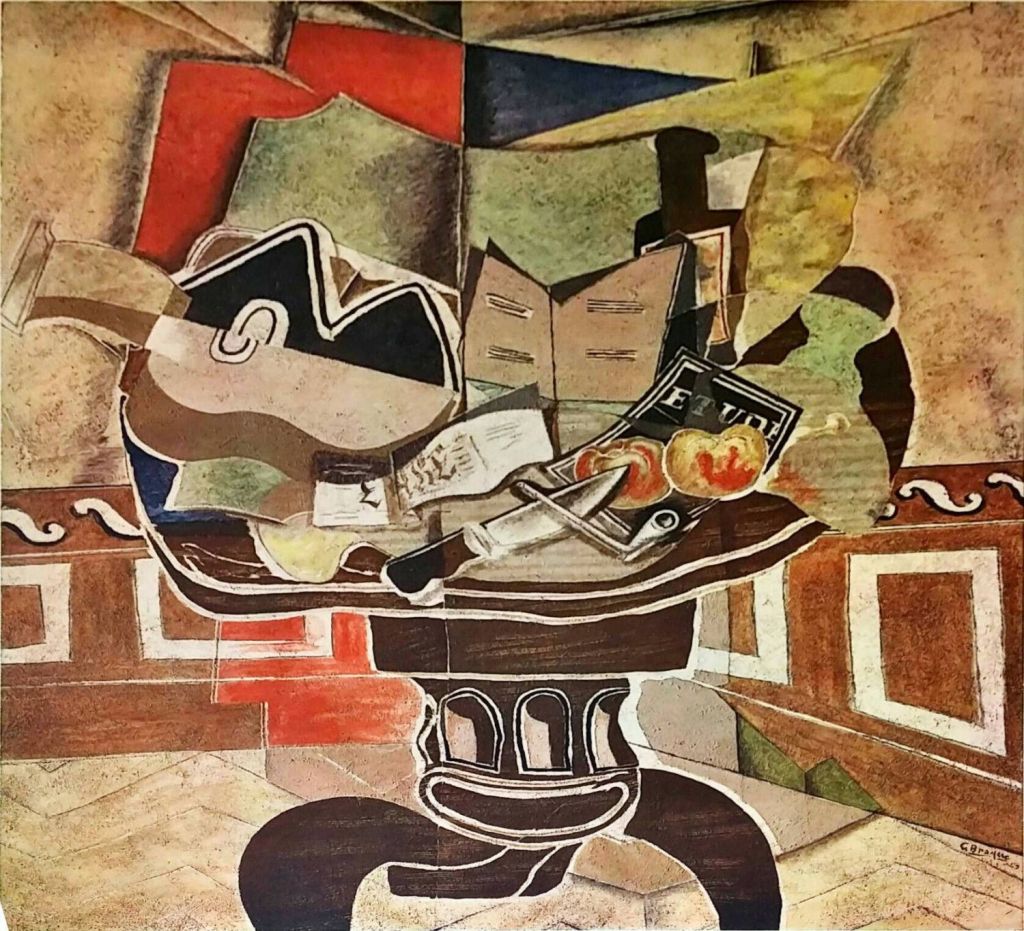
Synthetic Cubism, emerging later, introduced the use of collage and mixed media to create compositions that incorporated elements of reality while maintaining a fragmented aesthetic. Artists like Picasso and Juan Gris explored this phase, using materials such as newspapers and sheet music to add layers and texture to their works.
Cubism had a profound impact on the trajectory of modern art, influencing subsequent movements like Futurism and Constructivism. Its revolutionary approach to representation and emphasis on formal experimentation laid the groundwork for the abstraction that would characterize the 20th-century art scene, challenging artists and viewers alike to reconsider the nature of perception and artistic expression.
 æsthetic triangle