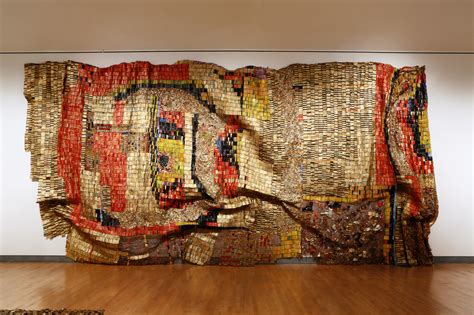
Traditional African art often served practical, ceremonial, and spiritual purposes within specific communities. Masks, sculptures, textiles, and beadwork were crafted with intricate designs, symbols, and motifs that conveyed cultural narratives, spiritual beliefs, and social status. These traditional forms continue to inspire contemporary African artists as they explore their heritage and engage with the challenges and opportunities of the modern world.
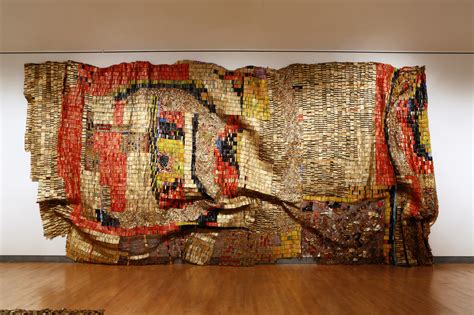
Contemporary African artists, such as El Anatsui from Ghana or Yinka Shonibare from Nigeria, draw upon traditional techniques and motifs while infusing their works with a contemporary twist. El Anatsui, known for his monumental sculptures made from discarded metal bottle caps, references traditional African textiles and the concept of communal labor. His use of recycled materials serves as a commentary on consumerism, globalization, and cultural exchange.
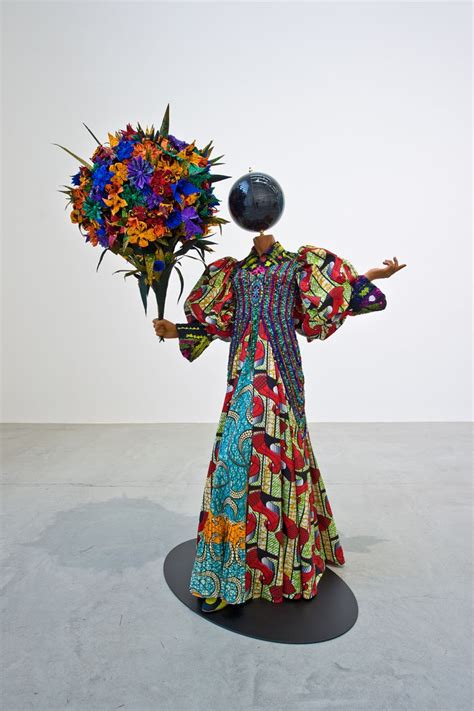
Yinka Shonibare, recognized for his exploration of post-colonial identity and globalization, often incorporates Dutch wax fabric—a textile associated with African identity and colonial history—in his sculptures and installations. Shonibare’s work challenges stereotypes and explores the complexities of cultural hybridity, weaving together elements of tradition and modernity.
Photography is another medium through which contemporary African artists express their perspectives. Artists like Seydou Keïta and Malick Sidibé, both from Mali, captured the vibrancy and individuality of African people during the mid-20th century, contributing to a visual documentation of cultural pride and identity.
In South Africa, artists like Mary Sibande use sculpture and photography to address issues of gender, race, and history. Sibande’s work, such as her acclaimed series “Long Live the Dead Queen,” incorporates elements of traditional attire and symbolism to explore the complexities of post-apartheid South African identity.

Performance art also plays a significant role in contemporary African art. Artists like Athi-Patra Ruga from South Africa use elaborate costumes and performances to challenge societal norms, confront historical traumas, and celebrate the fluidity of identity.
As contemporary African artists navigate the complexities of globalization, urbanization, and cultural exchange, they continue to draw inspiration from traditional art forms and cultural practices. This dynamic interplay between tradition and innovation allows for the preservation of cultural heritage while contributing to the ongoing conversation about identity, diversity, and the interconnectedness of the global art scene.
 æsthetic triangle