Religious art often serves as a visual narrative, conveying sacred stories, teachings, and moral lessons to believers. In Christianity, for example, religious paintings, sculptures, and stained glass windows have been instrumental in illustrating biblical narratives. The Renaissance period witnessed the flourishing of religious art, with artists like Michelangelo and Raphael creating masterpieces that depicted scenes from the life of Christ, the Virgin Mary, and saints.

In Hinduism, religious art takes the form of intricate temple sculptures and colorful paintings. Temples like Khajuraho in India showcase intricate carvings that depict scenes from Hindu mythology, celebrating the divine, the cosmic, and the earthly realms. The vibrant depictions of gods and goddesses serve not only as objects of worship but also as a means of spiritual education.

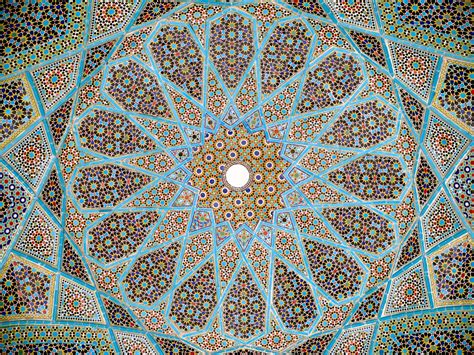
Islamic art, influenced by a prohibition on the representation of living beings, often takes the form of geometric patterns, calligraphy, and intricate designs. These elements adorn mosques and other Islamic structures, creating a visual language that communicates the beauty and order inherent in Islamic teachings.

Buddhist art, particularly in traditions such as Tibetan Buddhism, features elaborate thangka paintings and sculptures that depict the life of Buddha, Bodhisattvas, and spiritual teachings. These visual representations serve as aids to meditation and tools for conveying complex philosophical concepts.
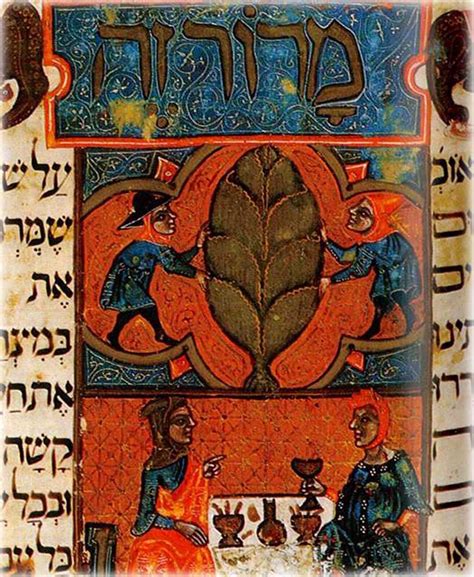
In Judaism, illuminated manuscripts, synagogue decorations, and ritual objects have been used to express the beauty and significance of religious practices. The illuminated manuscripts of the Middle Ages, such as the Sarajevo Haggadah, blend religious narratives with artistic embellishments.
The relationship between art and religion extends beyond mere illustration; it becomes a vessel for spiritual expression, fostering a sense of awe, reverence, and connection to the divine. Religious art has the power to evoke emotions, inspire devotion, and create a sacred atmosphere within religious spaces.
Contemporary artists continue to engage with religious themes, offering new perspectives on traditional beliefs and exploring the complexities of faith in the modern world. Whether through traditional mediums or innovative forms, the dialogue between art and religion endures as a dynamic and ever-evolving expression of humanity’s spiritual quest and cultural heritage.
 æsthetic triangle