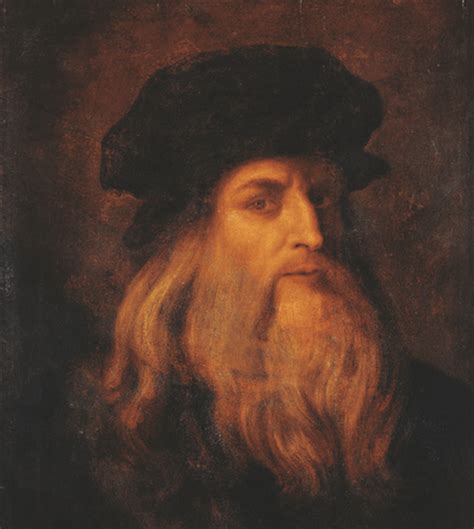
Leonardo da Vinci, often regarded as the epitome of the Renaissance man, exemplified the multifaceted genius of the era. Born in 1452 in Vinci, Italy, da Vinci’s remarkable talents spanned the fields of painting, sculpture, architecture, anatomy, engineering, and more.
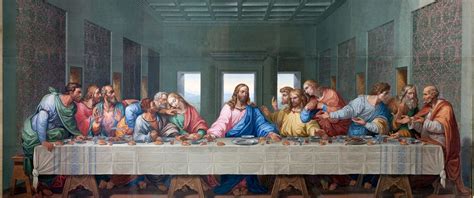
As a painter, Leonardo da Vinci left an indelible mark on art history. His masterpieces, including the iconic “Mona Lisa” and “The Last Supper,” showcased his mastery of chiaroscuro, perspective, and a keen understanding of human anatomy. Da Vinci’s paintings captured the essence of the human experience, portraying emotions, expressions, and the subtle nuances of light and shadow.

Beyond his artistic endeavors, da Vinci was a visionary inventor and engineer. His notebooks are filled with sketches and designs for inventions ranging from flying machines and armored vehicles to water pumps and hydraulic systems. While many of his inventions were never constructed during his lifetime, they reflected his insatiable curiosity and innovative thinking.

Leonardo’s contributions to anatomy were groundbreaking. Through meticulous dissections and observations, he produced detailed anatomical drawings that demonstrated his deep understanding of the human body’s structure and function. His studies of muscles, organs, and the skeletal system were far ahead of his time and laid the groundwork for advancements in medical science.
In the realm of architecture, da Vinci’s designs included plans for fortifications, bridges, and city layouts. His architectural vision combined aesthetics with functionality, reflecting a holistic approach that mirrored his diverse talents.

Leonardo da Vinci’s curiosity extended to fields as diverse as music, literature, and philosophy. He maintained an insatiable thirst for knowledge, constantly observing, questioning, and documenting his findings. His famous notebooks contain a wealth of sketches, diagrams, and observations on topics ranging from the flight of birds to the properties of water.
The Renaissance ethos celebrated the idea of the “universal man” or “polymath,” and Leonardo da Vinci embodied this ideal. His ability to seamlessly navigate various disciplines, coupled with an insatiable curiosity and an innovative spirit, positioned him as an unparalleled genius of his time. The legacy of Leonardo da Vinci continues to inspire generations, emphasizing the interconnectedness of art, science, and the boundless potential of human intellect.
 æsthetic triangle