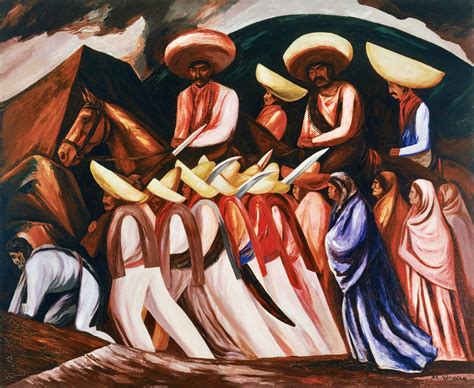
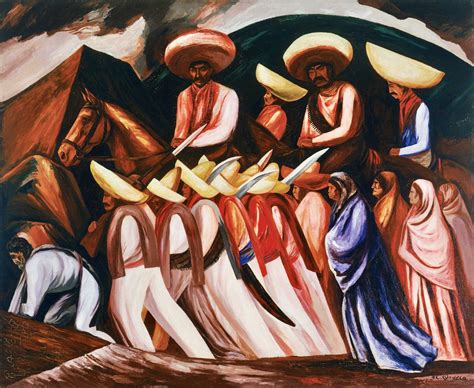
Mexican Muralism, a powerful artistic movement that emerged in the early 20th century, served as a platform for social commentary, political activism, and the celebration of Mexican identity. Led by prominent artists such as Diego Rivera, David Alfaro Siqueiros, and José Clemente Orozco, this movement sought to create public art that addressed the pressing social issues of the time.

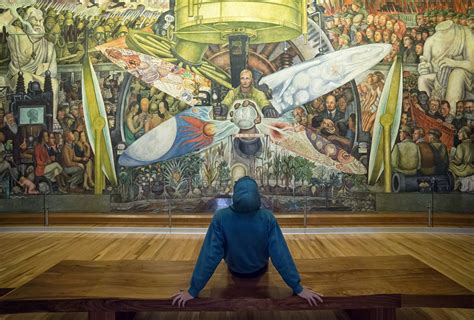
Diego Rivera, a central figure in Mexican Muralism, used his art to depict the history, struggles, and aspirations of the Mexican people. His murals often featured large, bold figures and vibrant colors, with themes ranging from indigenous heritage to the impact of industrialization. Rivera’s “Man at the Crossroads,” commissioned for Rockefeller Center in New York, was controversially destroyed due to its inclusion of a portrait of Lenin, reflecting the political tensions of the era.
David Alfaro Siqueiros focused on the social and political aspects of Mexican society in his murals. His works, such as “Echo of a Scream,” depicted the harsh realities of poverty, inequality, and the exploitation of the working class. Siqueiros also experimented with new techniques, using industrial materials like pyroxylin and airbrushing to create dynamic and expressive compositions.
José Clemente Orozco’s murals often explored themes of human suffering, injustice, and the quest for justice. His “Prometheus” mural in the Palace of Fine Arts in Mexico City depicts the struggle for freedom and enlightenment. Orozco’s works, characterized by powerful and emotive figures, conveyed a deep sense of empathy for the human condition.

Mexican Muralism became a significant tool for education and cultural expression, as artists engaged in creating murals in public spaces, educational institutions, and government buildings. The movement aimed to bring art to the masses, making it accessible to people from all walks of life.
The impact of Mexican Muralism extended beyond Mexico, influencing mural movements in other parts of the world and inspiring artists engaged in social and political commentary. The legacy of this movement persists as a testament to the power of art as a catalyst for social change, raising awareness of societal issues and fostering a sense of cultural pride and identity.
 æsthetic triangle