
The Baroque period, spanning the 17th century, was characterized by a lavish and opulent aesthetic that manifested across various art forms. Emerging in response to the strict austerity of the preceding Renaissance, Baroque art embraced excess, drama, and emotional intensity.
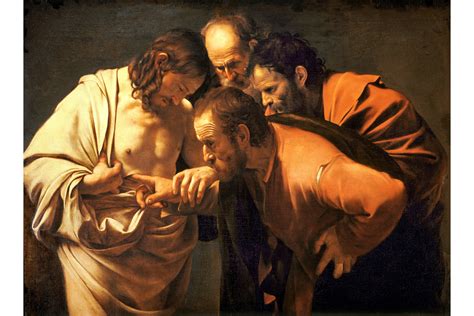
In painting, Baroque artists sought to evoke strong emotions and engage viewers on a visceral level. Caravaggio, a master of Baroque painting, utilized chiaroscuro and dramatic lighting to create intense, theatrical scenes. His works, such as “Judith Beheading Holofernes,” are marked by a visceral realism that captivates the observer.
The opulence of the Baroque era found expression in grandiose architecture. Baroque churches, like St. Peter’s Basilica in Rome, featured elaborate ornamentation, gilded details, and dynamic spatial arrangements. Architects like Gian Lorenzo Bernini infused their designs with a sense of theatricality, creating immersive and awe-inspiring environments.
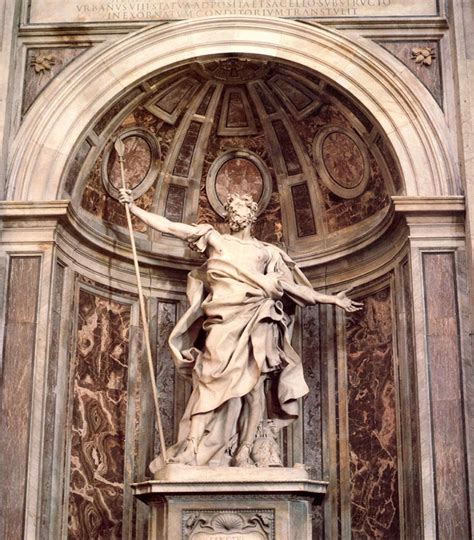
Sculpture in the Baroque period was characterized by dynamic movement and a sense of energy. Bernini’s sculptures, such as “The Ecstasy of Saint Teresa,” capture the intensity of the moment, with figures appearing to transcend the confines of their material form.
Music during the Baroque era also embraced excess, with composers like Johann Sebastian Bach and George Frideric Handel producing intricate and ornate compositions. Ornamental flourishes, intricate melodies, and dramatic contrasts became hallmarks of Baroque music, reflecting the period’s overall aesthetic.
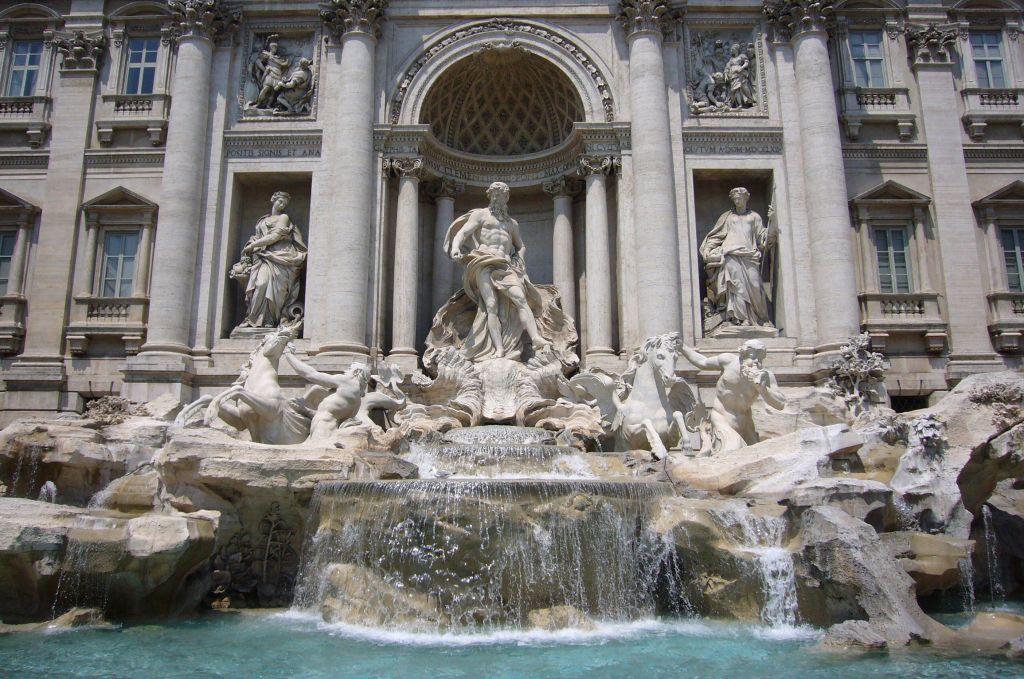
In sum, the Baroque excess was a deliberate departure from the restraint of previous artistic movements. It sought to engage the senses, evoke emotions, and create immersive experiences that celebrated the grandeur and complexity of human existence. The legacy of Baroque art continues to be appreciated for its ornate beauty and its influence on subsequent artistic movements.
 æsthetic triangle