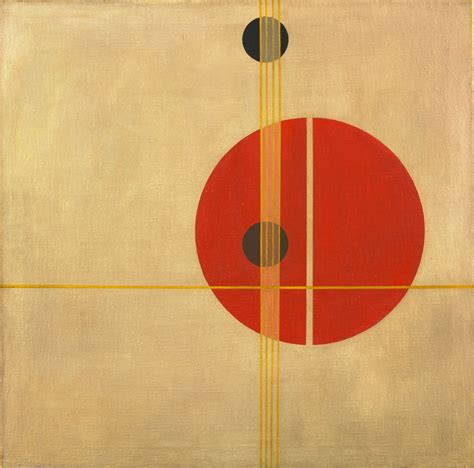
The advent of photography in the 19th century had a profound and transformative impact on the art world, challenging traditional modes of representation and shaping the trajectory of visual culture. Photography revolutionized the way artists, viewers, and society at large engaged with images and the concept of truth in visual representation.
One of the most significant contributions of photography was its ability to capture reality with unprecedented accuracy. Before photography, visual representation relied on subjective interpretations through painting or drawing. Photography, with its ability to freeze a moment in time, provided a seemingly objective and detailed record of the world. This shift prompted painters to explore new realms of expression, moving away from strict realism towards impressionism, post-impressionism, and eventually, abstract art.
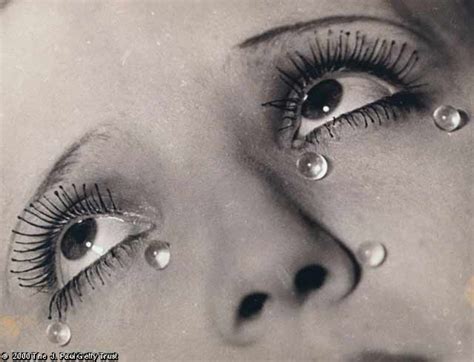
Photography also democratized art by making visual representation accessible to a broader audience. The invention of the handheld camera and the introduction of more affordable photographic processes allowed individuals to create and share images. This democratization of image-making challenged the exclusive domain of trained artists, fostering a more inclusive and diverse artistic landscape.
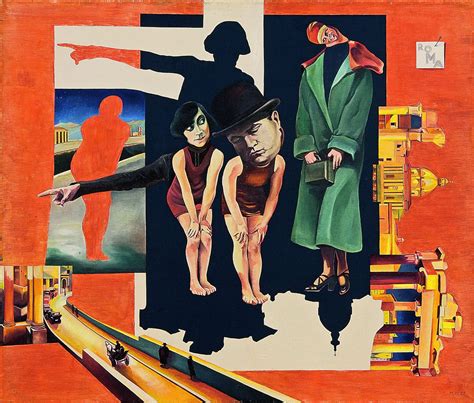
The influence of photography on the avant-garde movements of the 20th century is undeniable. Surrealists, Dadaists, and Constructivists embraced the photographic medium for its ability to manipulate reality, challenge conventions, and convey complex narratives. Artists like Man Ray, Hannah Höch, and László Moholy-Nagy integrated photography into their artistic practices, pushing the boundaries of visual representation.
Photography also played a pivotal role in documenting historical events and shaping public perception. Photojournalism emerged as a powerful tool for conveying the immediacy and impact of events, from wars and social movements to everyday life. Iconic images like Dorothea Lange’s “Migrant Mother” during the Great Depression or Eddie Adams’ photograph of the execution of a Viet Cong prisoner during the Vietnam War became powerful symbols with lasting cultural impact.
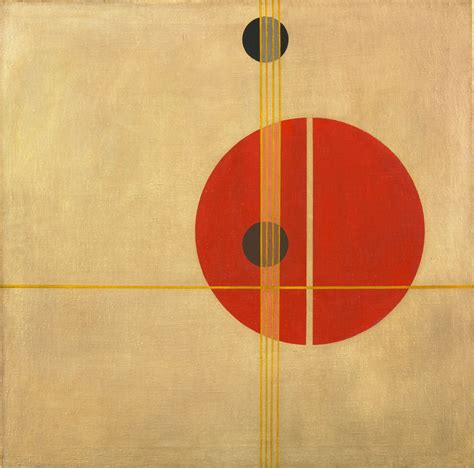
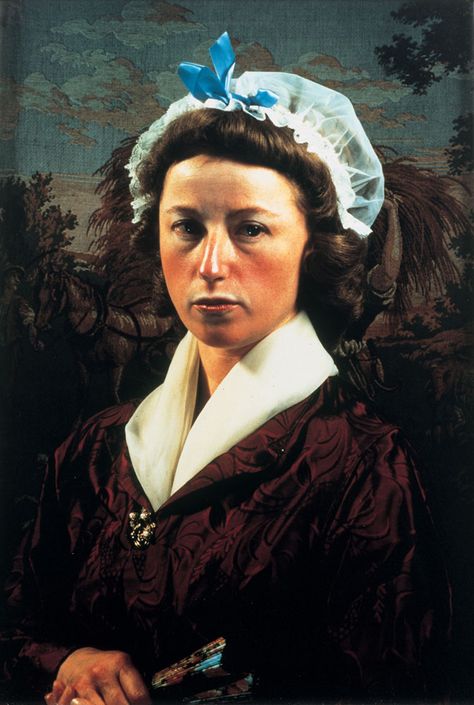
Contemporary art practices continue to be shaped by the influence of photography. The digital age has brought about new possibilities for image creation, manipulation, and dissemination. Artists like Cindy Sherman, Andreas Gursky, and Jeff Wall use photography to explore identity, consumer culture, and the constructed nature of images in the digital era.
In essence, the impact of photography on the art world is multifaceted. It challenged traditional artistic practices, democratized visual representation, influenced avant-garde movements, documented history, and continues to shape contemporary art practices. Photography’s evolution is a testament to its enduring significance in the ever-changing landscape of the art world.
 æsthetic triangle