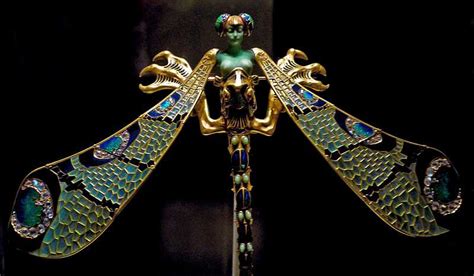
Art Nouveau, a decorative and ornamental art movement that emerged in the late 19th century, represents a fusion of nature-inspired forms with innovative design elements. Characterized by sinuous lines, organic motifs, and a sense of flowing movement, Art Nouveau sought to break away from the rigid constraints of academic art and embrace a more fluid and harmonious aesthetic.
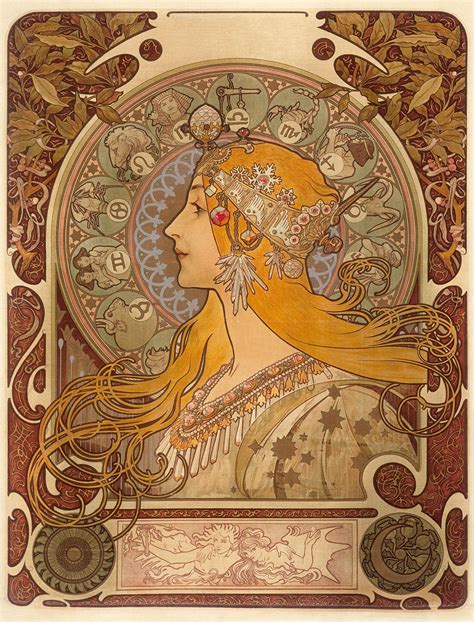
One of the defining features of Art Nouveau is its emphasis on natural forms and botanical motifs. Artists drew inspiration from the beauty of plants, flowers, and curvilinear shapes found in nature. This is evident in the intricate patterns and flowing lines of works by artists such as Alphonse Mucha, who created iconic posters and decorative panels that celebrated the grace of the female form intertwined with floral elements.
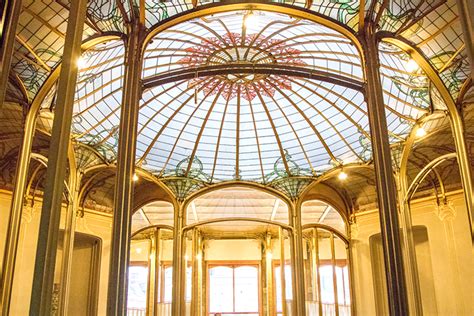
Architecturally, Art Nouveau manifested in the design of buildings with elaborate façades, wrought iron details, and asymmetrical shapes. The works of architects like Victor Horta and Antoni Gaudí exemplify the movement’s integration of organic shapes and innovative materials, creating a harmonious blend of architecture and nature.
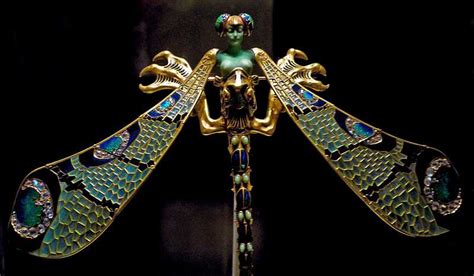
The decorative arts, including furniture, jewelry, and glassware, also embraced the Art Nouveau style. René Lalique’s exquisite glasswork, characterized by delicate floral patterns and flowing lines, exemplifies the movement’s commitment to craftsmanship and the celebration of natural beauty.
Art Nouveau’s influence extended to graphic design, typography, and the decorative elements of everyday objects, creating a holistic and immersive aesthetic experience. Despite its relatively short-lived popularity, the legacy of Art Nouveau continues to influence contemporary design, celebrating the organic and the ornamental in a timeless fusion of nature and art.
 æsthetic triangle