
The cross-cultural exchange between Asia and Europe has had a profound impact on the development of European aesthetics throughout history. From the Silk Road interactions to the trade routes of the Age of Exploration, Asian art has influenced European artistic sensibilities, shaping the evolution of styles, techniques, and philosophies.
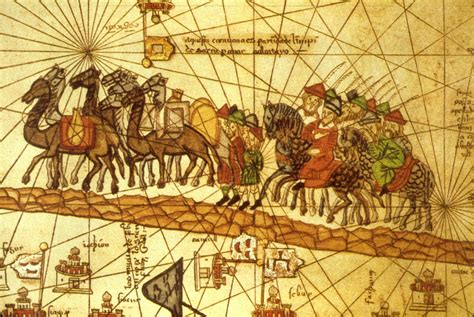
One significant influence is the transmission of artistic techniques and materials. During the Renaissance, the influx of trade and cultural exchange brought Asian silk, ceramics, and textiles to Europe. These exotic imports not only captivated European audiences but also inspired artists to experiment with new materials and decorative elements in their own works. The intricate patterns and vibrant colors of Asian textiles, for example, found their way into European tapestries and paintings.

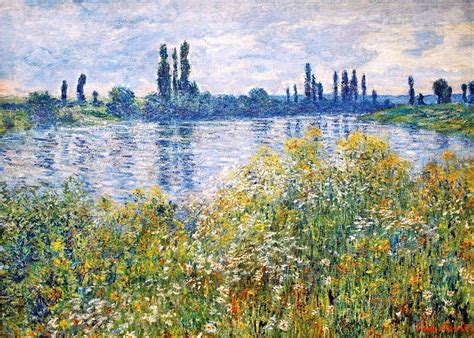
The fascination with Asian art extended to the realm of printmaking. In the 19th century, the Japanese woodblock prints, known as ukiyo-e, captivated European artists like Vincent van Gogh and Claude Monet. The flattened perspectives, bold compositions, and emphasis on nature in ukiyo-e prints influenced the development of European Impressionism and Post-Impressionism, leading to a shift in the understanding of color, light, and form.
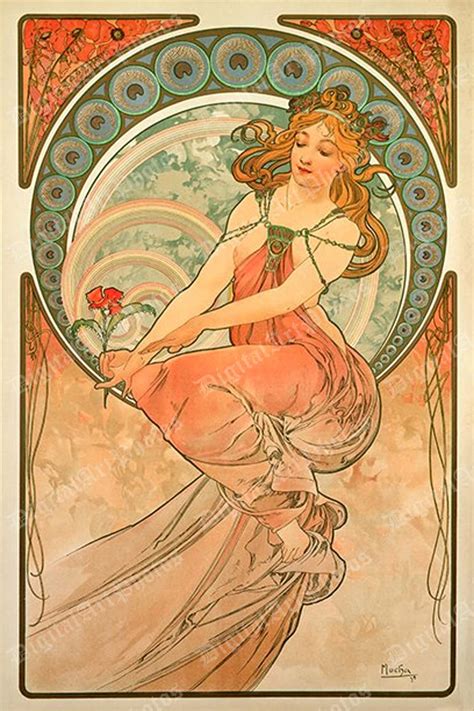
Asian aesthetics, particularly from Chinese and Japanese art, played a crucial role in shaping the Art Nouveau movement in the late 19th and early 20th centuries. The sinuous lines, organic forms, and harmonious compositions associated with Asian art found resonance in the works of artists like Alphonse Mucha and Émile Gallé. The influence of Asian motifs, such as cherry blossoms and peacock feathers, can be observed in the decorative arts and graphic design of the Art Nouveau period.
Beyond stylistic influences, Asian philosophical concepts have also left a lasting impact on European aesthetics. Ideas from Taoism, Zen Buddhism, and Confucianism have inspired Western artists to explore themes of harmony, balance, and simplicity in their works. The contemplative nature of Asian art has influenced European artists to move beyond mere representation and delve into the spiritual and introspective dimensions of their creations.
In summary, the influence of Asian art on European aesthetics is a testament to the interconnectedness of global cultures. The exchange of artistic ideas, materials, and philosophies has enriched the artistic landscape of both Asia and Europe, fostering a dynamic dialogue that continues to shape the evolution of aesthetics across continents.
 æsthetic triangle