Art as political protest reached new heights in the 20th century, as artists across the globe used their creative expressions to challenge oppressive regimes, advocate for social justice, and critique political ideologies. This powerful intersection of art and activism became a vital tool for dissent, rebellion, and the pursuit of change.
One iconic example is Picasso’s “Guernica,” created in response to the bombing of the Spanish town during the Spanish Civil War. The large-scale mural portrays the horrors of war and the suffering of civilians, serving as a poignant anti-war statement. “Guernica” became a universal symbol of the devastating consequences of conflict and a call for peace.

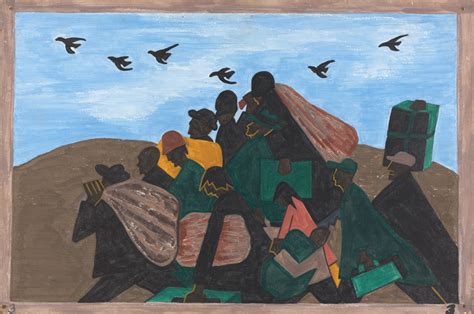
During the civil rights movement in the United States, artists played a crucial role in advocating for racial equality and justice. Jacob Lawrence’s “Migration Series” depicted the Great Migration of African Americans from the rural South to urban centers in the North, addressing issues of discrimination and segregation. The visual narrative served as both a historical document and a call for social change.

In the 1960s and 1970s, protest art became synonymous with movements against the Vietnam War and global activism. Artists like Peter Saul and Nancy Spero used their work to critique political leaders and institutions, while the anti-war poster movement produced iconic images such as the “Make Love, Not War” slogan.
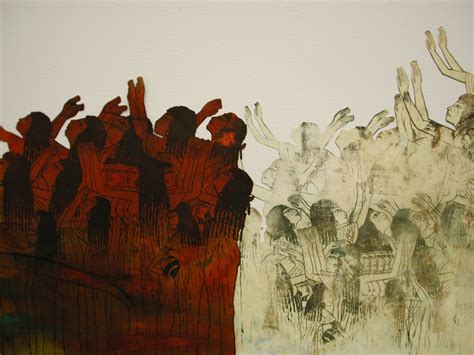
In Latin America, the art of political protest took on a distinct form during the period of dictatorships and social upheaval. The “disappeared” became a haunting theme, with artists like Chile’s Violeta Parra addressing the impact of political repression on individuals and communities.
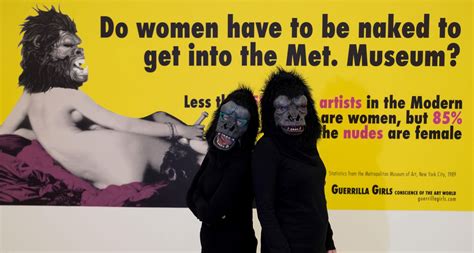
The feminist art movement of the late 20th century also utilized art as a means of political protest. Artists such as Judy Chicago, the Guerrilla Girls, and Ana Mendieta challenged gender norms, advocated for women’s rights, and critiqued the patriarchal structures within the art world.
Contemporary artists continue to engage in political protest through a variety of mediums, addressing issues such as climate change, racial injustice, and human rights abuses. Activist art has evolved to encompass street art, performance art, and digital media, reaching diverse audiences and contributing to ongoing conversations about social and political change.
Art as political protest in the 20th century demonstrated the capacity of creative expressions to challenge authority, inspire movements, and foster a collective consciousness. The legacy of these artists persists, inspiring subsequent generations to use art as a powerful tool for activism and social transformation.
 æsthetic triangle