
The birth of Impressionism in the late 19th century marked a revolutionary turning point in the history of art. Emerging in France in the 1860s, a group of artists, including Claude Monet, Pierre-Auguste Renoir, Edgar Degas, and Camille Pissarro, rejected the conventions of academic painting and sought new ways to capture the fleeting effects of light, atmosphere, and everyday life.
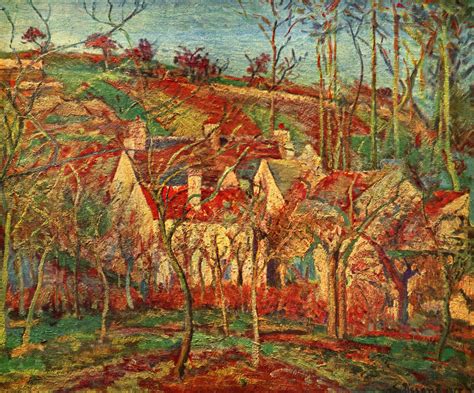
The Impressionist movement was a reaction against the rigid rules of the French Academy, which dictated the subject matter, techniques, and styles deemed appropriate for “serious” art. Impressionist artists, instead, embraced a more innovative and experimental approach, challenging traditional norms and paving the way for modern art.
One of the defining characteristics of Impressionism was its focus on capturing the immediacy of visual experiences. Artists painted en plein air, directly observing and responding to the changing light and colors in outdoor settings. This resulted in works that conveyed a sense of spontaneity, movement, and atmosphere.
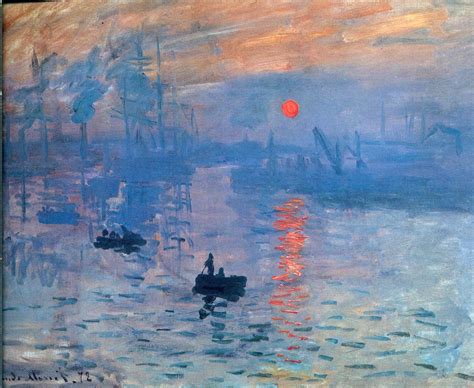
Claude Monet’s “Impression, Sunrise,” painted in 1872, became the eponymous piece for the movement. The title itself, “Impression,” reflected the initial critical response that the painting was more an impression of a scene than a detailed representation. The loose brushstrokes, vibrant colors, and emphasis on light exemplify the distinctive qualities of Impressionist painting.
The use of broken brushstrokes and a focus on color theory were also key elements of Impressionist technique. Rather than blending colors on the palette, artists applied small, distinct strokes of color to the canvas, allowing the viewer’s eyes to mix the colors optically. This approach created a sense of luminosity and vibrancy in the paintings.
Impressionist subject matter often centered on scenes of modern urban life, landscapes, and leisure activities. The bustling energy of Parisian streets, the serenity of gardens, and the leisurely moments of bourgeois life became recurring themes. Edgar Degas, for instance, captured the ballet and horse racing scenes, while Berthe Morisot painted domestic scenes that offered glimpses into daily life.

The Impressionists faced initial resistance and criticism from the traditional art establishment, but their impact was profound. They formed the Société Anonyme Coopérative des Artistes Peintres, Sculpteurs, Graveurs (Anonymous Society of Painters, Sculptors, Printmakers) in 1874 and held independent exhibitions, breaking away from the official Salon. These exhibitions provided a platform for artists to showcase their works directly to the public, bypassing the judgment of the Salon jury.
The radical approach of the Impressionists laid the foundation for subsequent art movements, influencing Post-Impressionism, Symbolism, and the advent of modern art in the 20th century. Their emphasis on individual perception, experimentation with techniques, and defiance of artistic norms paved the way for a more liberated and diverse artistic expression. The birth of Impressionism remains a watershed moment, challenging established norms and ushering in a new era of artistic innovation and freedom.
 æsthetic triangle