The Surrealist movement, born in the aftermath of World War I and gaining prominence in the 1920s and 1930s, sought to unlock the creative potential of the subconscious mind. Surrealism was a revolutionary and influential art movement that extended beyond visual arts to literature, poetry, film, and philosophy.
Led by figures such as André Breton, Salvador Dalí, and René Magritte, Surrealists aimed to liberate the imagination from the constraints of reason and rationality. They believed that tapping into the depths of the subconscious could reveal profound truths and insights about the human psyche.
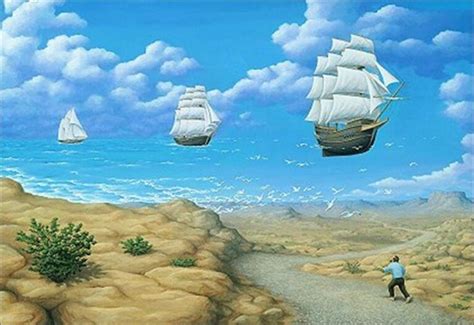
Surrealist artworks often featured dreamlike, fantastical, and bizarre imagery that challenged conventional reality. Artists employed techniques such as automatism, where the conscious mind relinquished control, allowing spontaneous and unplanned creations to emerge. Surrealist paintings, sculptures, and writings explored themes of desire, sexuality, the irrational, and the mysterious.
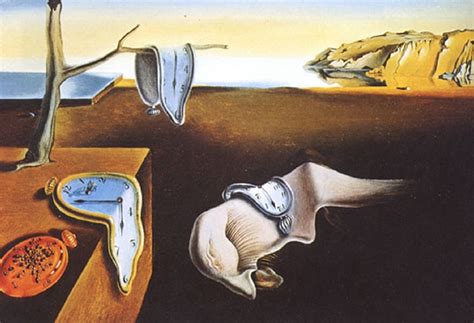
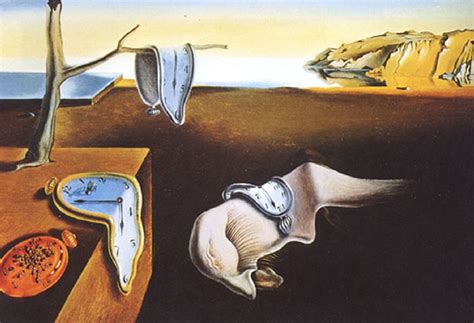
Salvador Dalí’s melting clocks in “The Persistence of Memory” and René Magritte’s surreal juxtapositions in “The Treachery of Images” exemplify the movement’s emphasis on disrupting ordinary perceptions and inviting viewers into a world of enigma and contradiction.
Surrealism had a lasting impact on the arts and paved the way for later movements such as Abstract Expressionism and Pop Art. Its legacy extends into contemporary art, where artists continue to explore the boundaries of the subconscious, inviting viewers to question reality and engage with the mysterious realms of the human mind. The Surrealist movement remains a testament to the transformative power of the imagination and the capacity of art to challenge and expand our understanding of the world.
 æsthetic triangle