Art and war have been intertwined throughout history, with artists serving as witnesses, commentators, and sometimes propagandists in times of conflict. Visual representations of war provide a unique lens through which societies grapple with the complexities, tragedies, and consequences of armed conflicts.
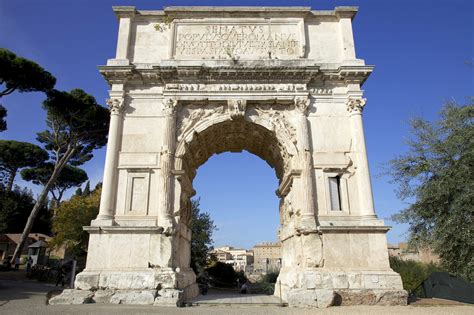
During ancient times, war was often depicted in monumental sculptures and reliefs glorifying victorious leaders and military achievements. The Arch of Titus in Rome, for example, commemorates the sack of Jerusalem, showcasing scenes of Roman soldiers carrying spoils from the conquest.
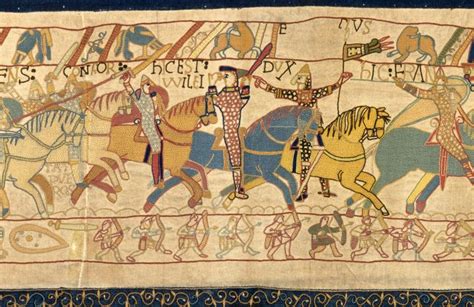
In the medieval period, illuminated manuscripts depicted epic battles and chivalric warfare, combining art with narrative storytelling. The Bayeux Tapestry, an embroidered cloth depicting the Norman Conquest of England, is a prime example of medieval war art, illustrating scenes of the Battle of Hastings.

The Renaissance brought a more humanistic approach to depictions of war, with artists like Albrecht Dürer creating powerful prints that captured the brutality and heroism of conflict. The “Four Horsemen of the Apocalypse” is one such work that symbolically represents war as a catastrophic force.
The 19th century, marked by the advent of photography, witnessed a shift in the realism and immediacy of war depictions. Artists like Francisco Goya and Édouard Manet portrayed the grim realities of war, challenging romanticized notions of heroism. Goya’s “The Third of May 1808” and Manet’s “The Execution of Emperor Maximilian” capture the brutality and human cost of conflict.
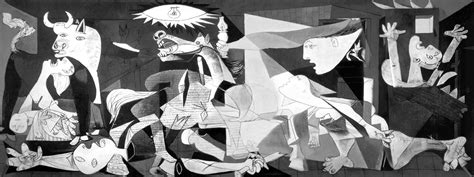
The 20th century, shaped by global wars and political upheavals, saw a diverse range of artistic responses to war. Picasso’s “Guernica” stands as a powerful anti-war statement, depicting the horrors of the Spanish Civil War. Artists like Otto Dix and Kathe Kollwitz depicted the physical and emotional toll of World War I through haunting portrayals of soldiers and civilians.
Contemporary artists continue to engage with war, addressing issues such as the impact of technology, civilian suffering, and geopolitical conflicts. The Vietnam War, Gulf War, and conflicts in the Middle East have all inspired powerful and poignant works that grapple with the complexities of war in the modern era.
In essence, visual representations of war in art serve as a testament to the human experience during times of conflict, conveying both the devastation and resilience of individuals and societies. From ancient triumphal sculptures to contemporary installations, art has been a reflective and critical mirror to the realities of war throughout the ages.
 æsthetic triangle