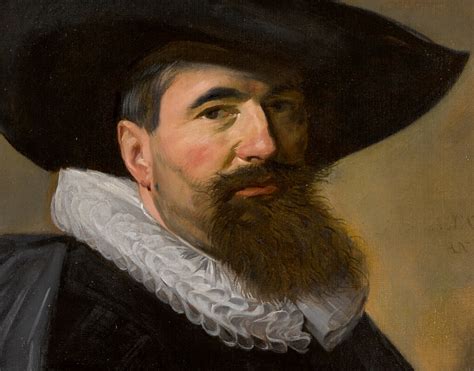
In medieval times, portraiture was primarily reserved for the elite, including royalty, religious figures, and aristocracy. These portraits were often symbolic and idealized, emphasizing the subject’s status, power, and piety. The purpose was to convey a sense of authority and divine favor. Examples include illuminated manuscript portraits and the regal depictions found in Gothic art, where rigid poses and stylized features dominated.

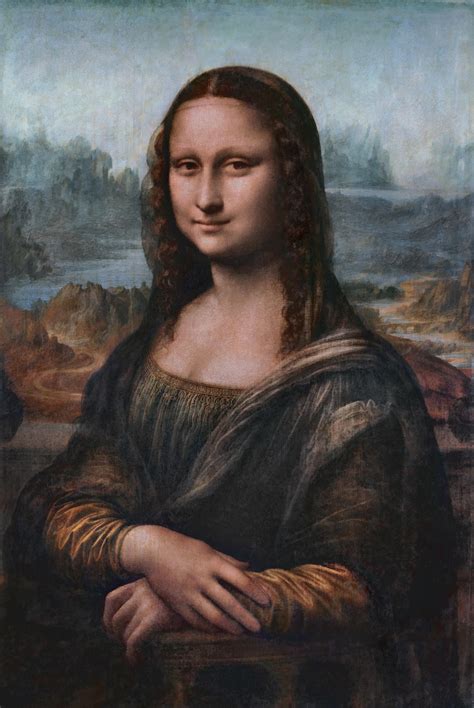
During the Renaissance, portraiture underwent a transformation. Artists such as Leonardo da Vinci, Titian, and Hans Holbein the Younger introduced a more naturalistic and individualized approach. Portraits became windows into the sitter’s personality, capturing not only their physical likeness but also their character, emotions, and social context. The famous portrait of Lisa Gherardini, known as the Mona Lisa, by Leonardo da Vinci exemplifies this shift, as the subject’s enigmatic smile and gaze convey a sense of individuality and complexity.
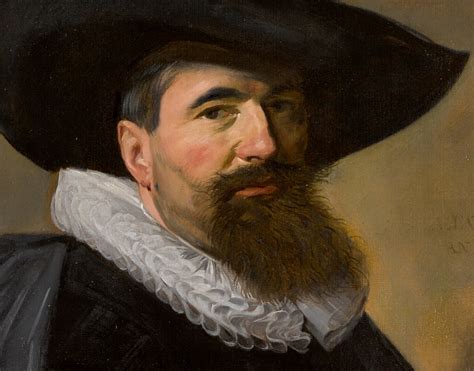
The Dutch Golden Age in the 17th century witnessed a democratization of portraiture. Artists like Rembrandt and Frans Hals depicted individuals from various social classes, capturing the essence of their subjects in candid and expressive ways. Rembrandt, in particular, delved into the psychological aspects of portraiture, using light and shadow to illuminate the inner depths of his subjects.
In the 18th and 19th centuries, portraiture continued to evolve. The rise of the middle class led to a growing demand for portraits, and the art form expanded beyond the elite. Portrait miniatures became popular among the bourgeoisie, while artists like Francisco Goya explored the psychological complexities of their subjects in more intimate settings.
The 20th century saw a radical departure from traditional portraiture as artists embraced abstraction, surrealism, and conceptual approaches. Figures like Pablo Picasso, Frida Kahlo, and Andy Warhol redefined the genre, challenging conventions and exploring new modes of representation. Warhol’s iconic portraits of Marilyn Monroe and other celebrities became symbols of mass media and celebrity culture.
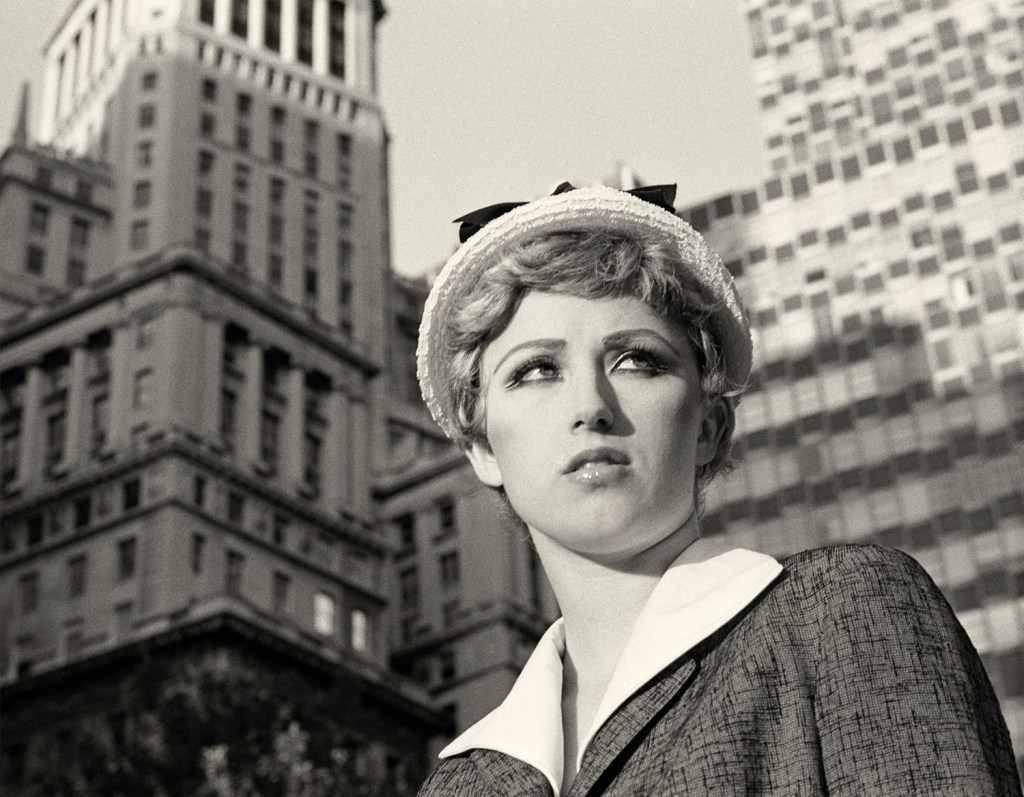
Contemporary portraiture continues to push boundaries, incorporating diverse styles, mediums, and perspectives. Artists such as Kehinde Wiley and Jenny Saville challenge traditional notions of beauty and identity, while photographers like Cindy Sherman explore the performative aspects of self-portraiture.
In conclusion, the power of portraiture lies in its ability to capture the complexity of human identity and convey the essence of individuals across different historical and cultural contexts. From medieval symbolism to the psychological depth of the Renaissance and the avant-garde experimentation of the modern era, portraiture remains a dynamic and influential genre in the world of art.
 æsthetic triangle