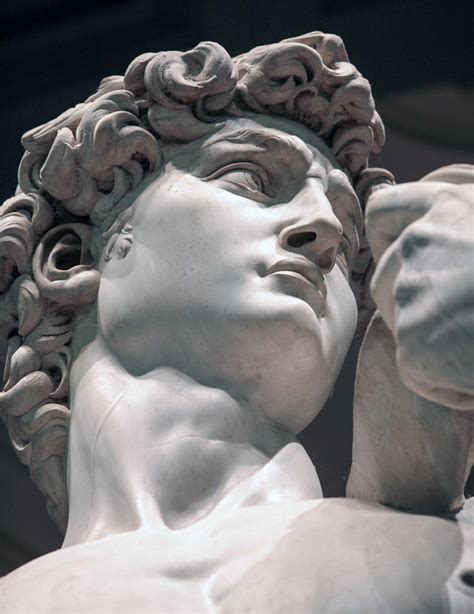
One of the key innovations of the Italian Renaissance was the development of linear perspective. Artists such as Filippo Brunelleschi and Leon Battista Alberti explored mathematical principles to create the illusion of depth and three-dimensionality on a two-dimensional surface. This breakthrough in perspective transformed how artists depicted space, allowing for more realistic and immersive representations of the world.

Another significant innovation was the mastery of chiaroscuro, the use of light and shadow to create a sense of volume and depth in paintings. Artists like Leonardo da Vinci and Caravaggio became masters of this technique, infusing their works with a heightened sense of realism and drama. The interplay of light and shadow became a powerful tool for conveying emotion and creating a more nuanced visual experience.
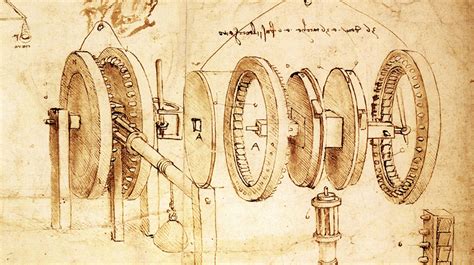
The Italian Renaissance also witnessed a renewed focus on the human figure. Drawing inspiration from classical antiquity, artists began to explore the idealized proportions and anatomical accuracy of the human form. This emphasis on the study of anatomy, exemplified in the works of Michelangelo, Raphael, and da Vinci, resulted in more naturalistic and expressive representations of the human body.
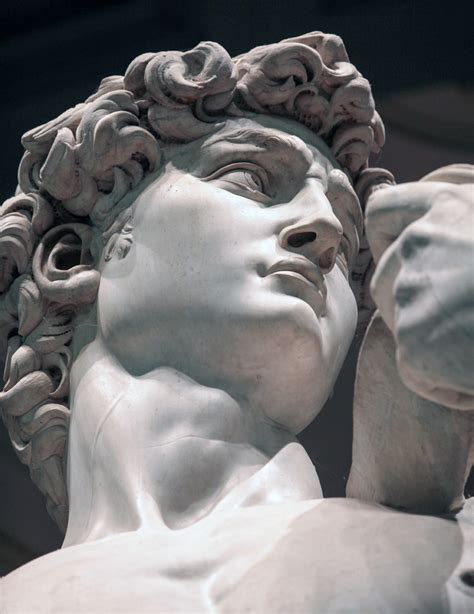
Innovations in oil painting techniques also emerged during the Renaissance, allowing for greater subtlety in color, texture, and detail. Artists like Titian and Jan van Eyck perfected the use of oil paints, creating luminous and vibrant compositions that added a new level of richness to their works.
The Renaissance saw a shift from the medieval guild system to a more individualistic approach to art. Artists gained recognition as creative geniuses, and patrons sought their unique talents. This shift allowed for greater artistic freedom and experimentation.
The Italian Renaissance, with its emphasis on humanism, perspective, chiaroscuro, anatomical accuracy, and individual artistic expression, laid the foundation for the modern art world. The innovations of this period continue to influence and inspire artists across the globe, making the Italian Renaissance a pivotal and transformative chapter in the history of art.

 æsthetic triangle