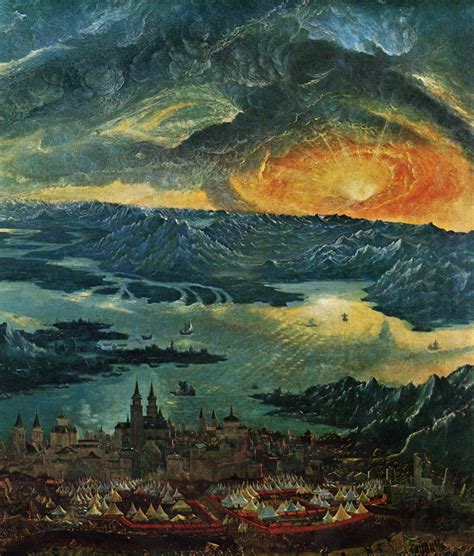
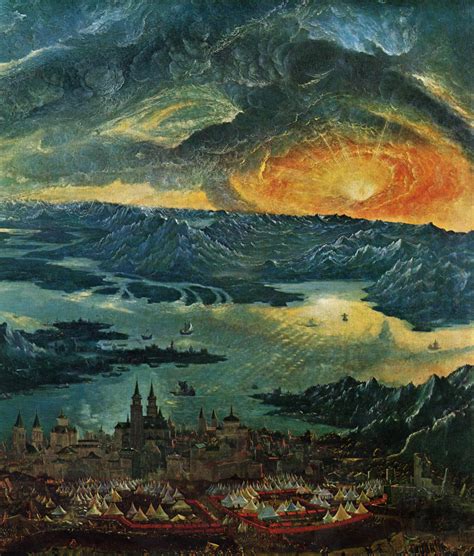
In ancient art, landscapes were often incorporated as backgrounds for religious or mythological scenes rather than standalone subjects. However, during the Renaissance, artists began to focus more on capturing the beauty of the natural world itself. Landscape paintings by artists like Albrecht Altdorfer and Leonardo da Vinci showcased the meticulous observation of natural elements, from rolling hills to meandering rivers.
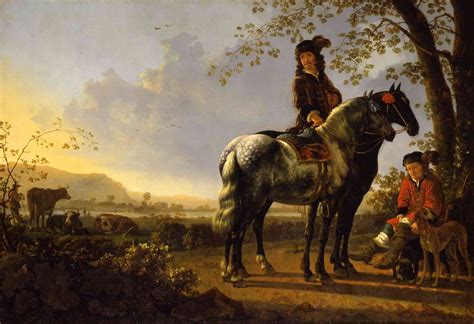
The Dutch Golden Age in the 17th century marked a significant development in landscape painting. Artists such as Jacob van Ruisdael and Aelbert Cuyp depicted serene countryside scenes, emphasizing the play of light, atmospheric effects, and the everyday life of rural communities. This period saw the emergence of the “tonal” landscape, where subtle shifts in color and light played a central role in conveying the mood of the scene.
In the 19th century, the Romantic movement infused landscape painting with heightened emotion and a sense of the sublime. Artists like Caspar David Friedrich and J.M.W. Turner conveyed a deep connection to nature, exploring themes of solitude, spirituality, and the untamed beauty of the natural world. The Hudson River School in America continued this tradition, celebrating the vast landscapes of the New World.

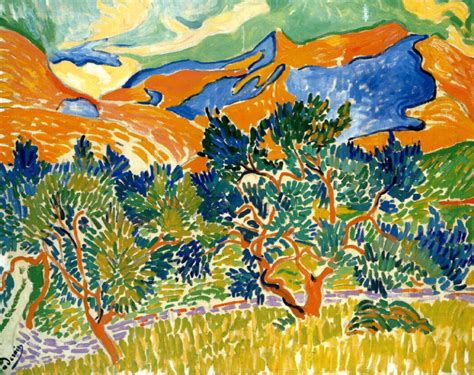
The 20th century witnessed a diverse range of approaches to landscape painting. While traditional plein air painting continued, artists like the Fauvists and the Abstract Expressionists explored bold colors and gestural techniques, pushing the boundaries of representation. Contemporary artists continue to redefine landscape painting, incorporating new media, conceptual elements, and environmental concerns into their work.
Overall, the evolution of landscape painting reflects not only changes in artistic techniques and styles but also shifts in cultural attitudes towards nature. From the classical backgrounds of ancient art to the emotional depths of Romanticism and the experimentalism of contemporary artists, landscape painting remains a powerful means of exploring our connection to the natural world.
 æsthetic triangle