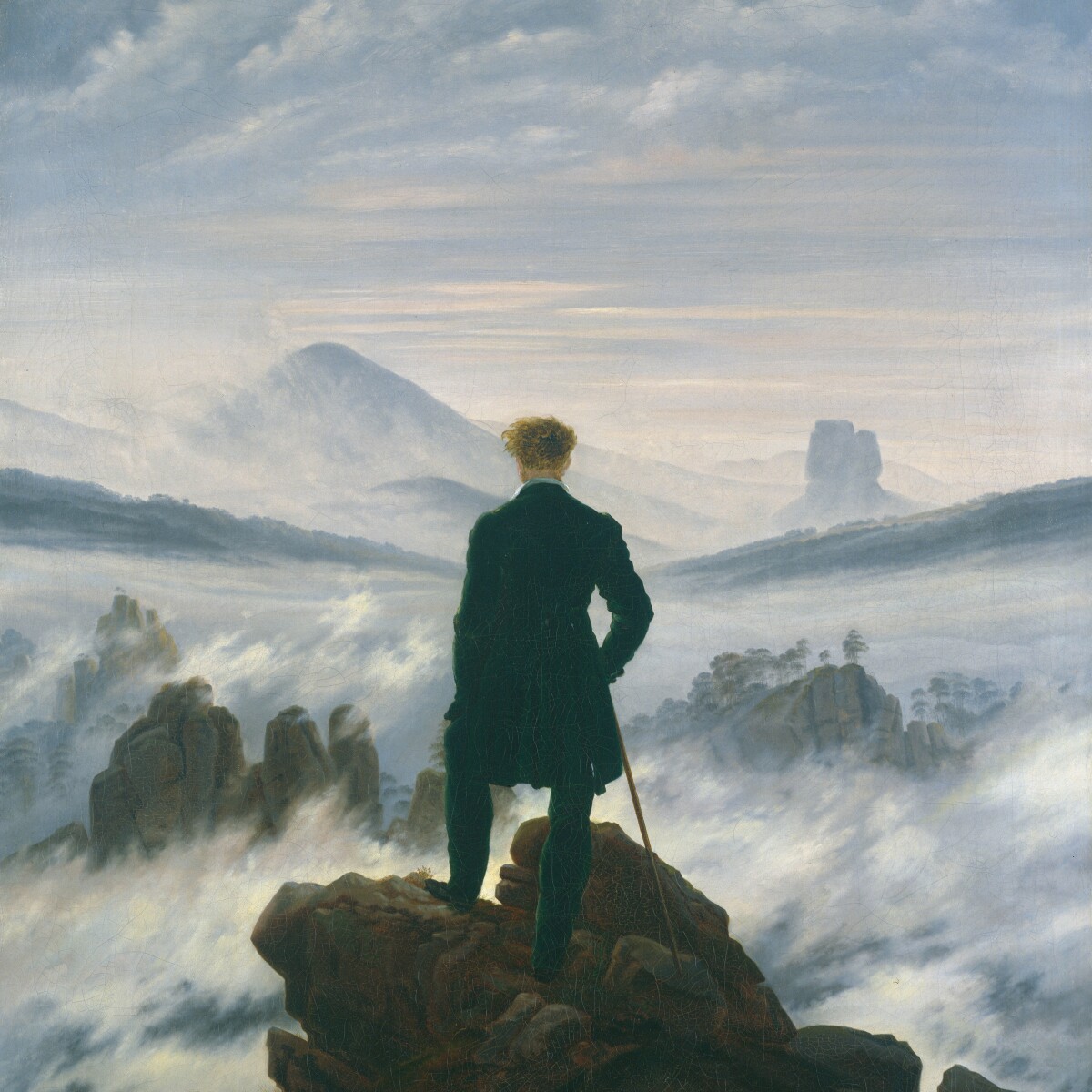
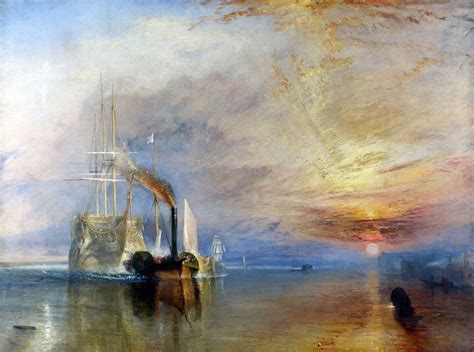
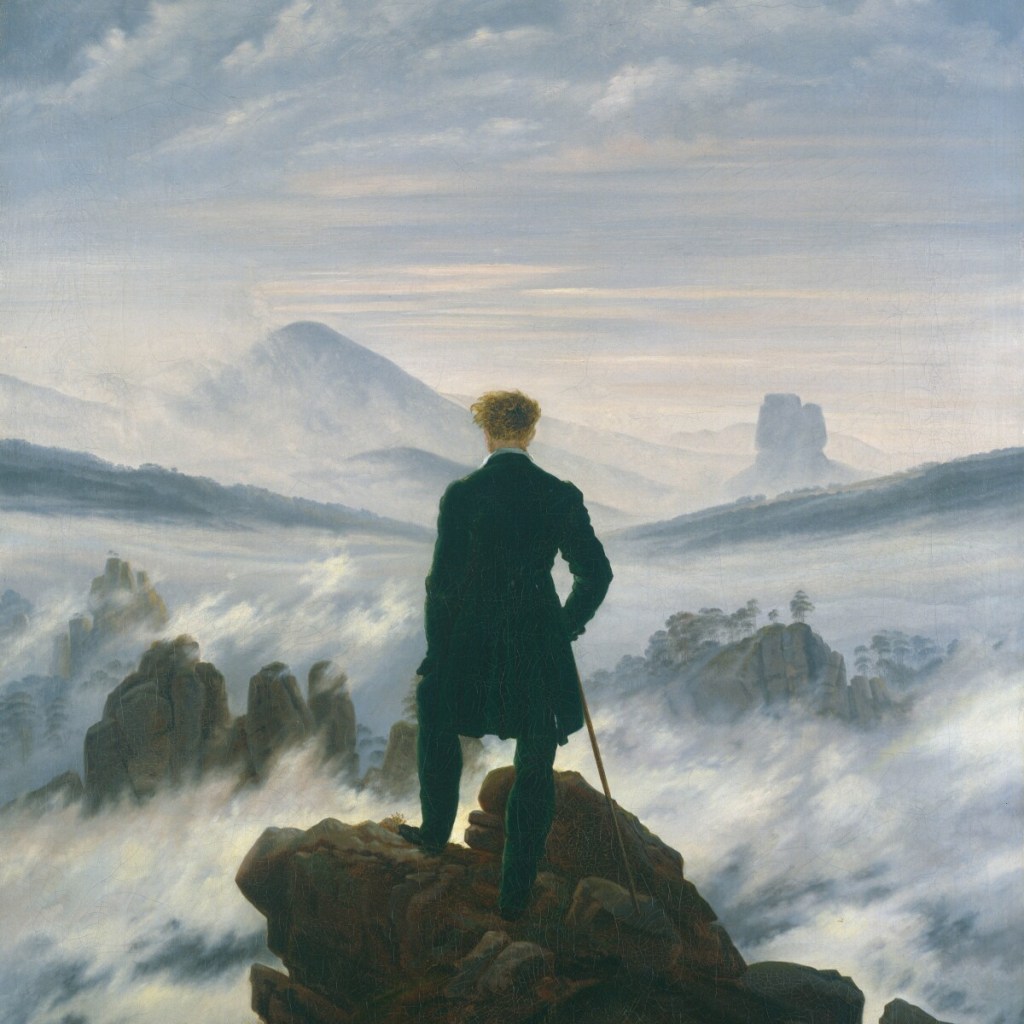
One notable consequence of industrialization was the rise of the Romantic movement in art, which emerged as a response to the upheavals of the time. Romantic artists sought to convey a sense of individualism, emotion, and a connection with nature in the face of industrial progress. Painters like J.M.W. Turner and Caspar David Friedrich captured sublime landscapes and natural scenes, offering a retreat from the rapidly industrializing urban environments.
However, as the 19th century progressed, the impact of industrialization became increasingly palpable in art. The Realist movement emerged as a reaction against the idealized and romanticized depictions of the world. Artists such as Gustave Courbet and Honoré Daumier turned their attention to the realities of everyday life in industrialized societies. Courbet’s “The Stone Breakers” and Daumier’s satirical prints provide poignant portrayals of the harsh working conditions and social inequalities brought about by industrialization.
Industrialization also influenced the subject matter and techniques of art. The advent of photography in the mid-19th century revolutionized the visual arts, leading some artists to question the need for realistic representation. The Impressionist movement, with artists like Claude Monet and Edgar Degas, embraced innovative techniques and focused on capturing the fleeting effects of light and atmosphere rather than creating detailed, realistic depictions.
Furthermore, the industrial revolution spurred the growth of the urban landscape, and artists began to explore the visual and social dynamics of the city. Industrial scenes, factories, and urban life became subjects of interest. Industrialization provided a new visual vocabulary for artists, inspiring them to depict the dynamism and challenges of modern urban existence.
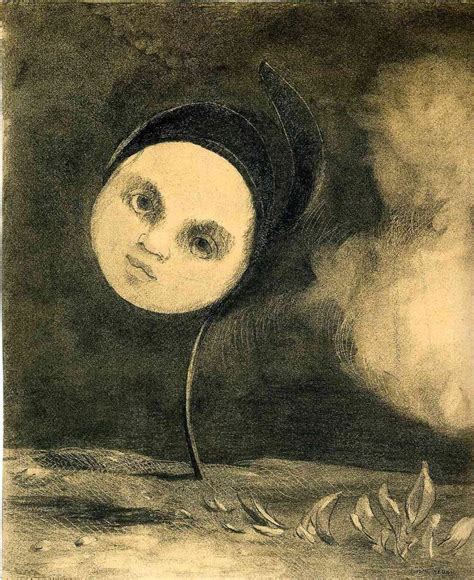
The Symbolist movement, which emerged towards the end of the century, responded to the alienation and disorientation brought about by industrialization. Symbolist artists such as Gustav Klimt and Odilon Redon turned to symbolism and allegory to explore the inner world of the human psyche, reflecting a desire to transcend the materialism and mechanization of the industrial age.
In conclusion, the impact of industrialization on 19th-century art was multifaceted. It influenced the thematic choices, techniques, and philosophies of artists who grappled with the complexities of a rapidly changing world. From the Romantic celebration of nature to the Realist critique of societal disparities and the avant-garde explorations of modern urban life, industrialization left an indelible mark on the trajectory of art in the 19th century.

 æsthetic triangle