
One of the hallmarks of Baroque architecture is its emphasis on dramatic effects and illusion. Architects sought to engage the viewer’s emotions through theatricality and a sense of movement. Elaborate facades, dynamic use of light and shadow, and ornate detailing contributed to the overall sense of grandiosity.
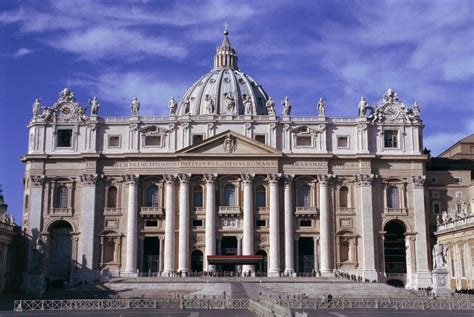
The use of curves and asymmetry is another defining feature of Baroque architecture. Unlike the balanced and symmetrical compositions of the Renaissance, Baroque buildings often feature dynamic and undulating forms. This sense of movement is exemplified by the use of curving facades, spiraled columns, and intricate ornamentation.
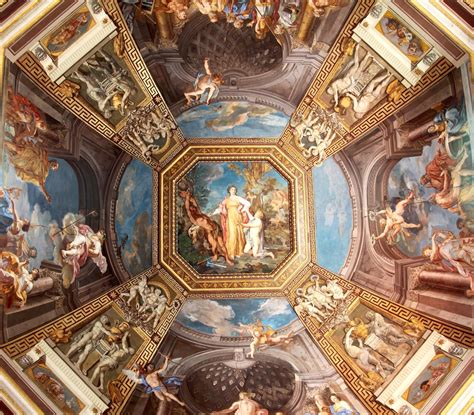
Baroque architecture is closely associated with religious institutions, and many churches of the period exhibit its distinctive characteristics. The façade of St. Peter’s Basilica in Rome, designed by Gian Lorenzo Bernini, exemplifies the grandeur and theatricality of Baroque architecture. The use of colossal columns, sculptures, and a sweeping staircase creates a visually stunning and emotionally charged experience for the observer.
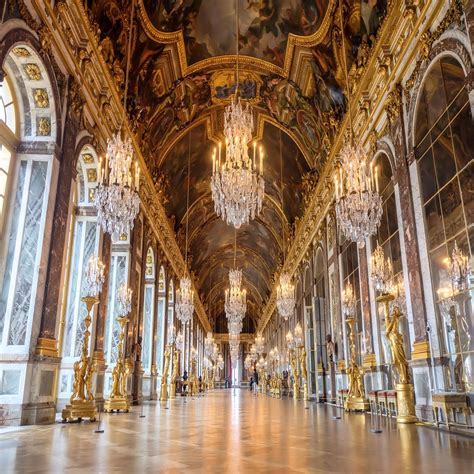
Palaces and royal residences also embraced the Baroque style, reflecting the opulence and authority of the ruling elite. Versailles, the iconic palace of Louis XIV in France, is a prime example of Baroque architecture. Its expansive gardens, ornate interiors, and grandiose layout serve as a testament to the wealth and power of the French monarchy.
In addition to religious and governmental structures, Baroque architecture found expression in civic buildings and public spaces. The Spanish Steps in Rome, designed by Francesco de Sanctis, showcase the use of curves, terraced levels, and monumental sculptures, creating a vibrant urban space that exemplifies the Baroque aesthetic.
While Baroque architecture flourished in the 17th and 18th centuries, its impact is enduring. The style’s emphasis on emotion, movement, and grandiosity has left an indelible mark on the architectural landscape. Exploring the intricacies of Baroque architecture allows for a deeper understanding of the cultural and artistic shifts that characterized this dynamic period in architectural history.
 æsthetic triangle