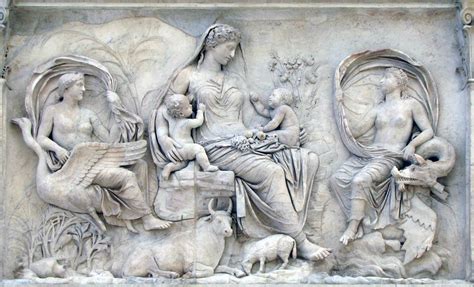
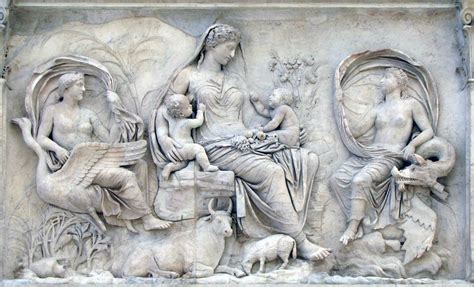
The influence of Ancient Greek art on Roman art is a profound and enduring aspect of classical artistic development. When the Romans encountered Greek culture during their expansion and conquests, they were captivated by the artistic achievements of their Hellenistic predecessors. This encounter sparked a cultural assimilation that shaped Roman art and architecture for centuries.
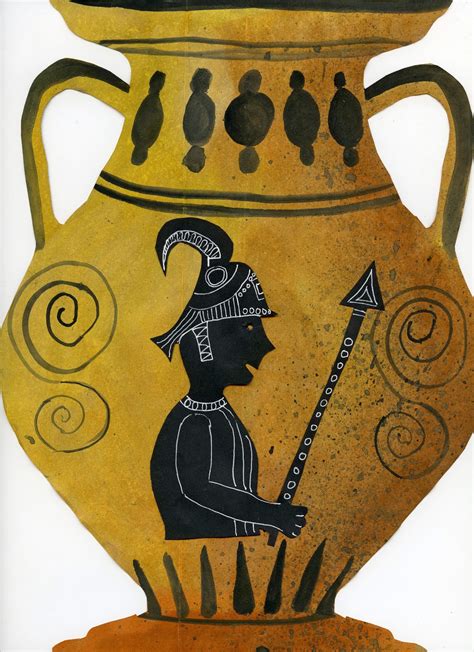
During the Roman Republic (509–27 BCE), the influence of Greek art manifested primarily in the form of direct imports of Greek sculptures, pottery, and other artifacts. Wealthy Romans adorned their homes with Greek statuary, which often depicted idealized human forms, mythological scenes, and athletic achievements. The appreciation for Greek aesthetics fueled a demand for Greek artists, leading to commissions for original works in a Hellenistic style.
The Roman Empire (27 BCE–476 CE) witnessed a more nuanced fusion of Greek and Roman artistic traditions. This period, known as the Greco-Roman or Eclectic phase, saw Roman artists adapting and integrating Greek elements into their own creations. The Romans were particularly drawn to Greek classical ideals of proportion, harmony, and balance in sculpture and architecture.
In Roman sculpture, the influence of Greek realism and attention to anatomical detail is evident. The adoption of contrapposto, a pose where the weight of the body is shifted to one leg, creating a more natural and dynamic stance, was a direct emulation of Greek sculptural techniques. Roman copies of famous Greek sculptures, such as the Doryphoros by Polykleitos, showcase the Romans’ admiration for Greek artistic achievements.
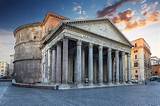
Architecturally, Roman buildings borrowed heavily from Greek designs but adapted them to suit their own needs and preferences. The use of columns—Doric, Ionic, and Corinthian—originated from Greek architecture and became integral to Roman temples, basilicas, and public buildings. The Pantheon, for example, reflects a fusion of Greek and Roman elements, with its grand dome and Corinthian columns.
While the Romans absorbed much from Greek art, they also added their own innovations. Roman portraiture, for instance, evolved into a more individualized and realistic style compared to the idealized representations found in Greek art. Emperors and statesmen were depicted with distinctive features, emphasizing the importance of personal identity.
In summary, the influence of Ancient Greek art on Roman art is a complex interplay of emulation, adaptation, and innovation. The Romans, recognizing the artistic achievements of the Greeks, integrated these elements into their own cultural identity, creating a unique synthesis that laid the foundation for Western classical art.
 æsthetic triangle